



Mar . 08, 2026 01:45 Back to list
Comprehensive Guide to Connecting Earth Cable to Earth Rod for Electrical Safety
Connecting Earth Cable to Earth Rod: A Comprehensive Guide
Ensuring a proper earth connection is crucial for electrical safety in any environment, from residential properties to large industrial complexes. The process of connecting earth cable to earth rod is a fundamental aspect of electrical grounding. This article will delve into the steps, best practices, and considerations for a secure and effective earth connection. We’ll cover the necessary tools, proper techniques, and potential pitfalls to avoid, all while prioritizing safety. A reliable earth connection protects against electrical shock and prevents damage to equipment.
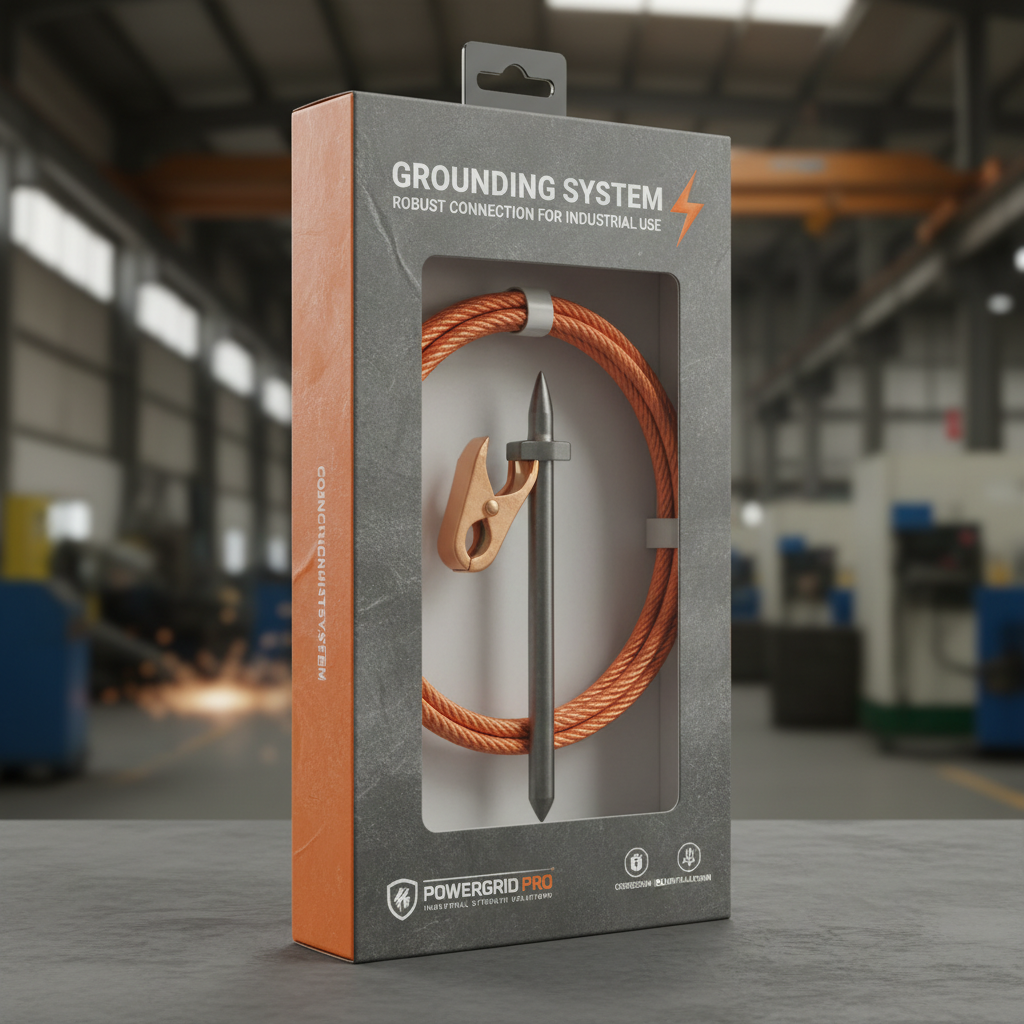
Understanding the Importance of Earth Connection
An earth connection, also known as grounding, provides a low-resistance path for fault currents to flow back to the source. This crucial safety feature triggers circuit breakers or fuses to trip, quickly isolating the fault and preventing electric shock. Without a proper earth connection, electrical faults can cause dangerous voltage levels on metallic equipment, posing a significant risk to life and property. A robust earth connection also minimizes the potential for damage to sensitive electronic devices caused by voltage spikes or surges. Effective grounding is a cornerstone of any safe electrical system.
Key Benefit: Protection from electrical shock and equipment damage through a low-resistance path for fault currents.
Tools and Materials Needed for Connecting Earth Cable to Earth Rod
Before beginning, ensure you have the necessary tools and materials. These include: an earth rod (typically copper or copper-clad steel), earth cable (sized appropriately for the system), a lug suitable for connecting the cable to the rod, a hammer or earth rod driver, a spanner or wrench, a cable cutter, and appropriate safety gear (gloves and eye protection). The earth rod should be of sufficient length and diameter to provide adequate grounding resistance. Choosing the correct cable size is crucial to handle potential fault currents. BiloPowTel offers a wide selection of earth rods, cables, and associated accessories.
Step-by-Step Guide: Connecting Earth Cable to Earth Rod
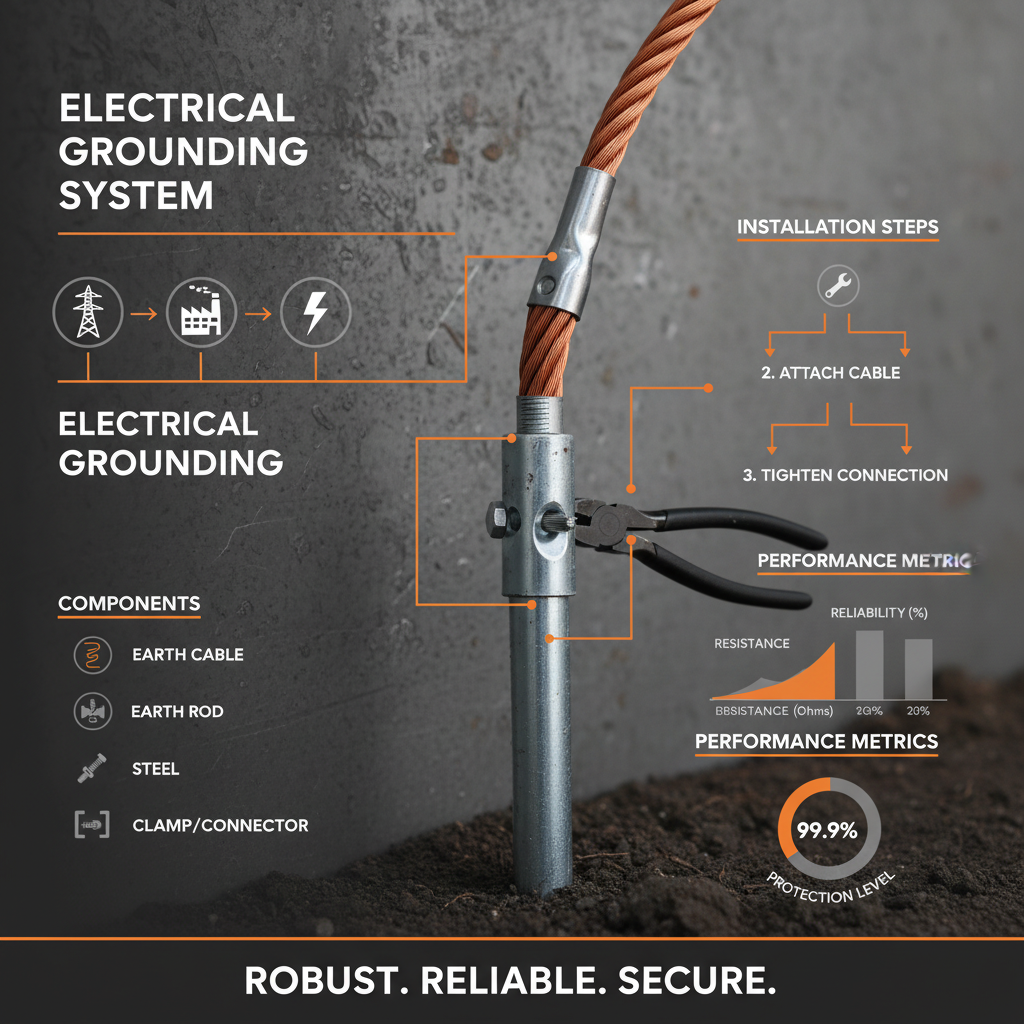
Follow these steps for a secure connection: 1) Drive the earth rod into the ground, leaving a small portion exposed for connection. 2) Attach the lug to the end of the earth cable. 3) Securely connect the lug to the earth rod using a spanner or wrench. 4) Ensure the connection is tight and corrosion-resistant. 5) If multiple earth rods are used, connect them together using an earth link wire to reduce overall resistance. Regularly inspect the connection for corrosion or looseness. A properly executed connection is critical for safety and system performance.
Essential Steps:
• Drive the earth rod fully into the ground.
• Use a correctly sized lug for a secure connection.
• Ensure the connection is tight and corrosion-resistant.
• Inspect regularly for looseness or damage.
Earth Rod Materials and Their Resistance: A Comparison
Different earth rod materials offer varying levels of resistance. Copper rods generally have the lowest resistance but are more expensive. Copper-clad steel rods provide a good balance of cost and performance. Galvanized steel rods are the most affordable but have higher resistance. The soil composition also significantly impacts resistance – sandy soil offers higher resistance than clay-rich soil. Regular testing of earth resistance is crucial to ensure the system’s effectiveness.
Safety Precautions When Connecting Earth Cable to Earth Rod
Working with electricity requires extreme caution. Always de-energize the circuit before working on any electrical connections. Wear appropriate safety gear, including insulated gloves and eye protection. If you are unsure about any aspect of the process, consult a qualified electrician. Never attempt to work on live circuits. BiloPowTel provides safety guidelines and resources on their website to ensure a safe working environment.
Conclusion: Ensuring Electrical Safety with a Proper Earth Connection
A correctly implemented earth connection is paramount for electrical safety. By following the steps outlined in this article and prioritizing safety precautions, you can ensure a reliable and effective grounding system. Investing in quality earth rods and cables, such as those offered by BiloPowTel, is a crucial step in protecting lives and property. Remember, electrical safety is never a compromise.
Frequently Asked Questions (FAQs)
What is the recommended depth for driving an earth rod?
The recommended depth for driving an earth rod typically ranges from 1.5 to 2.5 meters (5 to 8 feet). Deeper rods generally provide lower resistance, especially in drier climates. However, the depth should also consider the local soil conditions and the presence of underground utilities. It's important to check local regulations and standards for specific depth requirements. A qualified electrician can assess the site and recommend the optimal depth for your application. The goal is to reach consistently moist soil to ensure a good connection.
How often should I test the earth resistance?
Earth resistance should be tested at least annually, and more frequently in corrosive environments or after any significant changes to the electrical system. Regular testing ensures the grounding system remains effective and provides adequate protection. A qualified electrician should perform the testing using appropriate earth resistance testing equipment. Maintaining records of test results is also recommended to track any changes over time.
What size earth cable should I use?
The size of the earth cable should be determined by the size of the main earthing terminal, the length of the cable run, and the anticipated fault current. Refer to local electrical codes and standards for specific requirements. Generally, a larger cable is required for longer runs and higher fault currents. A qualified electrician can accurately calculate the appropriate cable size for your installation, ensuring it can safely handle potential fault currents.
Can I use multiple earth rods to improve grounding?
Yes, using multiple earth rods connected together with an earth link wire can significantly improve grounding performance, especially in areas with high soil resistance. The rods should be spaced at least the length of one rod apart. Connecting the rods together reduces the overall earth resistance, providing a more effective grounding system. A qualified electrician can advise on the optimal number and placement of earth rods for your specific site conditions.
Latest news
Precision Lifting and Pulling with the Lever Block 0.5 Ton Guide
NewsApr.16,2026
Precision Engineering Guide for High Performance Jet Lever
NewsApr.16,2026
Ultimate Guide to Choosing the Professional Industrial hoist lever
NewsApr.16,2026
Industrial Hoist Lever Chain Guide for Heavy Lifting and Rigging
NewsApr.16,2026
Industrial Lever Hoist Guide for Efficient Lifting and Pulling
NewsApr.16,2026
Ultimate Guide to Hand Ratchet Lift for Heavy Industrial Lifting
NewsApr.16,2026
- CONTACT
- ADDRESS: 188, Fengshou Road, Shijiazhuang. China
- EMAlL: info@bilopowtel.com
- PHONE: 0086-311-88862036
- WHATSAPP: 0086-152-26563165


