



Mar . 08, 2026 01:45 Back to list
Understanding Connecting Ground Rods for Electrical System Safety and Performance
Understanding Connecting Ground Rods for Optimal Grounding
Effective grounding is paramount for the safety and performance of electrical systems. Connecting ground rods is a fundamental aspect of this process, providing a crucial path for fault currents to dissipate safely into the earth. This article will delve into the importance of proper grounding, the different types of ground rods, connection methods, and best practices for ensuring a reliable grounding system. A well-grounded system protects against electrical shock, reduces the risk of equipment damage, and improves system stability. Explore the critical role Bilopowtel’s grounding solutions play in achieving a robust and safe electrical infrastructure.
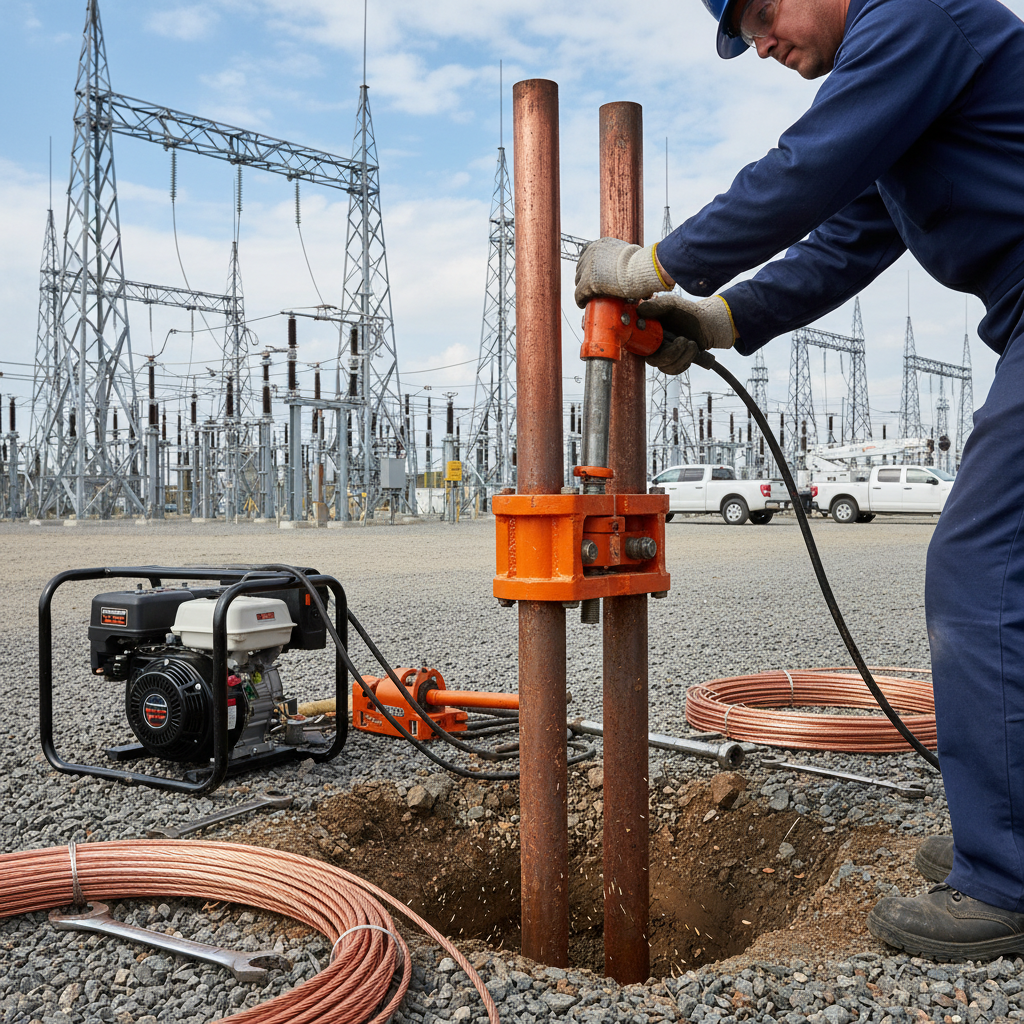
Why are Connecting Ground Rods Essential?
Grounding systems protect people and equipment from hazardous voltages. When a fault occurs in an electrical system, a ground rod provides a low-resistance path for the current to flow back to the source, tripping a circuit breaker or fuse and quickly interrupting the power supply. Without proper grounding, this fault current could find a path through a person or sensitive equipment, causing severe injury or damage. Connecting ground rods ensures a safe and reliable path for these currents, minimizing risks. Grounding also stabilizes voltage levels and reduces electrical noise, contributing to improved system performance.
Key Benefits: Protects against electrical shock, reduces equipment damage, stabilizes voltage, minimizes electrical noise, and improves system reliability.
Types of Ground Rods
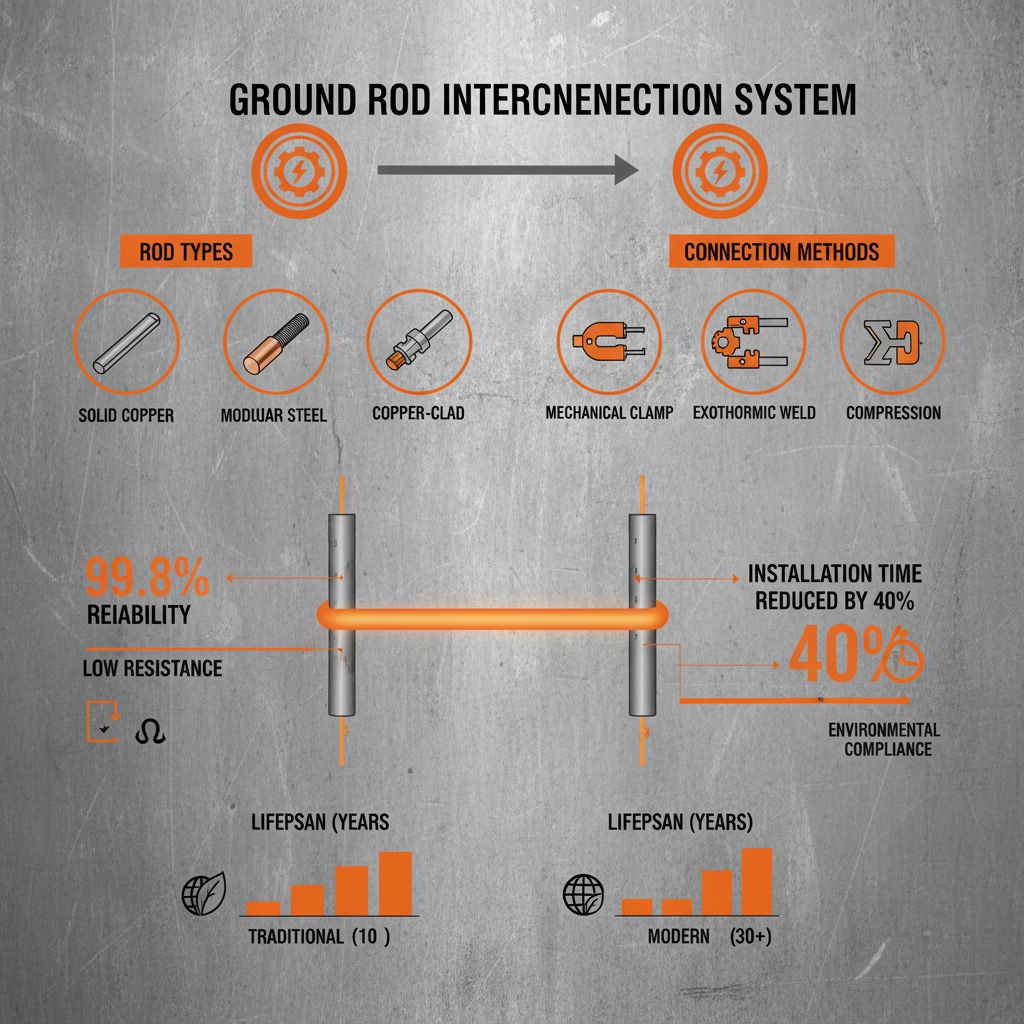
Several types of ground rods are available, each with its own advantages and disadvantages. Common types include:
- Copper-Clad Steel Rods: These are the most popular choice, offering a good balance of cost and performance. A steel core is bonded with a layer of copper.
- Solid Copper Rods: Provide excellent conductivity but are more expensive than copper-clad steel rods.
- Galvanized Steel Rods: Less conductive than copper options and more susceptible to corrosion, but are the most economical choice.
- Grounding Electrodes (Rods and Plates): May be used in specific applications where the soil conditions require a larger surface area for effective grounding.
Ground Rod Comparison:
• Conductivity: Solid Copper > Copper-Clad Steel > Galvanized Steel
• Cost: Galvanized Steel
• Corrosion Resistance: Solid Copper > Copper-Clad Steel > Galvanized Steel
Methods for Connecting Ground Rods
Proper connection techniques are vital for ensuring a low-resistance grounding path. Common methods include:
- Clamp Connections: Using UL-listed grounding clamps specifically designed for connecting to ground rods. These clamps should be corrosion-resistant and securely fastened.
- Welded Connections: While offering excellent conductivity, welding requires specialized skills and can damage the ground rod.
- Ground Rod Drivers: Specialized tools for driving ground rods into the earth, ensuring proper depth and stability.
It's essential to use the correct connectors and follow manufacturer’s instructions to ensure a secure and reliable connection. Avoid using dissimilar metals, as this can lead to galvanic corrosion. Bilopowtel provides high-quality grounding clamps and connectors optimized for various ground rod materials.
Best Practices for Connecting Ground Rods
To ensure a robust and reliable grounding system, follow these best practices:
- Depth: Drive ground rods to the recommended depth based on local codes and soil conditions. Generally, a minimum depth of 8 feet is recommended.
- Spacing: Maintain adequate spacing between ground rods, typically 6-8 feet apart.
- Soil Conditions: In areas with rocky or dry soil, consider using multiple ground rods or alternative grounding methods.
- Inspection: Regularly inspect ground rod connections for corrosion or damage.
- Testing: Periodically test the grounding system’s resistance to ensure it remains within acceptable limits.
Conclusion: The Importance of Reliable Grounding
Ensuring proper connecting ground rods is a crucial aspect of electrical safety and system performance. By understanding the different types of ground rods, connection methods, and best practices, you can create a robust and reliable grounding system that protects people and equipment. Bilopowtel provides a comprehensive range of grounding solutions to meet your specific needs. Don't compromise on safety – invest in a quality grounding system today.
Frequently Asked Questions (FAQs)
What is the recommended depth for driving a ground rod?
The recommended depth typically ranges from 8 feet (2.44 meters) to 10 feet (3.05 meters), but this can vary based on local electrical codes and soil conditions. The primary goal is to reach soil that remains consistently moist throughout the year, as moisture significantly improves conductivity. In regions with shallow bedrock or permafrost, alternative grounding methods may be necessary. Always consult with a qualified electrician to determine the appropriate depth for your specific location and application. Bilopowtel can provide guidance on selecting the right grounding solutions for challenging soil conditions.
How often should a grounding system be tested?
Grounding systems should be tested at least annually, or more frequently in harsh environments or after any significant electrical event. Testing involves measuring the resistance to ground, which should be below a specified threshold (typically 5 ohms or less, depending on local codes). Regular testing ensures that the grounding system remains effective and provides adequate protection. It's best to use a qualified electrician equipped with appropriate testing equipment to perform these inspections.
Can I use multiple ground rods to improve grounding?
Yes, using multiple ground rods connected together (bonded) can significantly improve grounding performance, especially in areas with poor soil conductivity. This creates a larger grounding surface area and reduces the overall resistance to ground. The ground rods should be spaced at least 6-8 feet apart and connected using approved grounding conductors and connectors. This technique is commonly employed in areas with rocky soil or high levels of corrosion.
Latest news
Precision Lifting and Pulling with the Lever Block 0.5 Ton Guide
NewsApr.16,2026
Precision Engineering Guide for High Performance Jet Lever
NewsApr.16,2026
Ultimate Guide to Choosing the Professional Industrial hoist lever
NewsApr.16,2026
Industrial Hoist Lever Chain Guide for Heavy Lifting and Rigging
NewsApr.16,2026
Industrial Lever Hoist Guide for Efficient Lifting and Pulling
NewsApr.16,2026
Ultimate Guide to Hand Ratchet Lift for Heavy Industrial Lifting
NewsApr.16,2026
- CONTACT
- ADDRESS: 188, Fengshou Road, Shijiazhuang. China
- EMAlL: info@bilopowtel.com
- PHONE: 0086-311-88862036
- WHATSAPP: 0086-152-26563165


