



Feb . 11, 2026 01:45 Back to list
Essential Guide to Live Line Tools Hot Sticks for Electrical Safety
Choosing the Right Live Line Tools Hot Sticks for Electrical Safety
Maintaining electrical safety is paramount in any power industry operation. One of the most crucial pieces of equipment for achieving this is the live line tools hot sticks. These tools allow technicians to perform work on energized electrical systems from a safe distance, minimizing the risk of arc flash and electrocution. This article explores the vital role of hot sticks, factors to consider when selecting them, and the quality offerings available from BiloPowTel, a trusted supplier in the field. Choosing the right hot sticks is an investment in the safety of your workforce and the reliability of your operations.
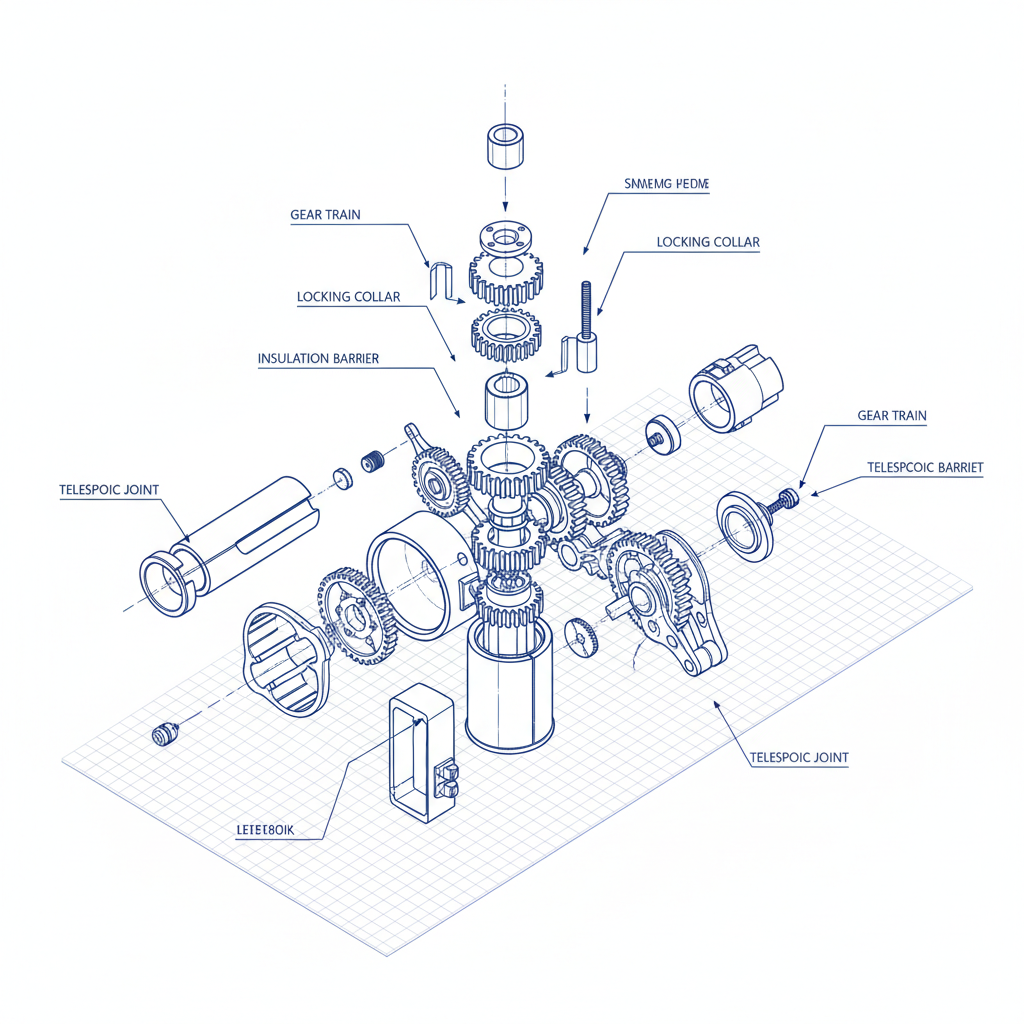
Understanding Live Line Tools Hot Sticks
Hot sticks, also known as stick grounding tools, are insulated tools designed for performing operations on energized electrical lines. They come in various lengths and configurations to suit different applications, including grounding, voltage detection, and operating switches. The primary function of a hot stick is to provide a safe working distance, typically measured in feet, between the technician and the energized conductor. This isolation drastically reduces the risk of electrical contact. Proper use of hot sticks requires extensive training and adherence to strict safety procedures.
Key Benefits: Reduced risk of electrocution, enhanced worker safety, improved operational reliability, and compliance with industry standards.
Factors to Consider When Selecting Hot Sticks
Choosing the right hot sticks isn't a one-size-fits-all process. Several key factors need to be considered. Voltage Rating is crucial; the stick must be rated for the highest voltage the technician might encounter. Length is also vital. Longer sticks provide greater safety distances but can be more cumbersome to handle. Material and Construction affect durability and insulation properties – fiberglass is a common material. Finally, consider the specific application; different tasks require different types of hot stick attachments and configurations. BiloPowTel offers expert guidance to help you select the optimal hot sticks for your needs.
Key Selection Considerations:
• Voltage Rating
• Length
• Material and Construction
• Specific Application
Hot Sticks: A Comparison of Materials
The material of a hot stick significantly impacts its performance and safety. While various materials are used, fiberglass reinforced epoxy resin is the most common choice due to its exceptional dielectric strength and durability. Wood was historically used but is less reliable and prone to damage. Other materials like composite materials offer a balance of strength and weight but can be more expensive. Choosing the right material is essential for ensuring long-term reliability and worker safety. BiloPowTel offers hot sticks manufactured with premium-grade fiberglass for superior performance.
BiloPowTel: Your Trusted Partner for Live Line Tools
At BiloPowTel, we understand the critical importance of safety in the power industry. We offer a comprehensive range of high-quality live line tools hot sticks designed to meet the most demanding applications. Our hot sticks are manufactured to rigorous standards, ensuring superior performance and reliability. We are committed to providing our customers with the tools they need to work safely and efficiently.
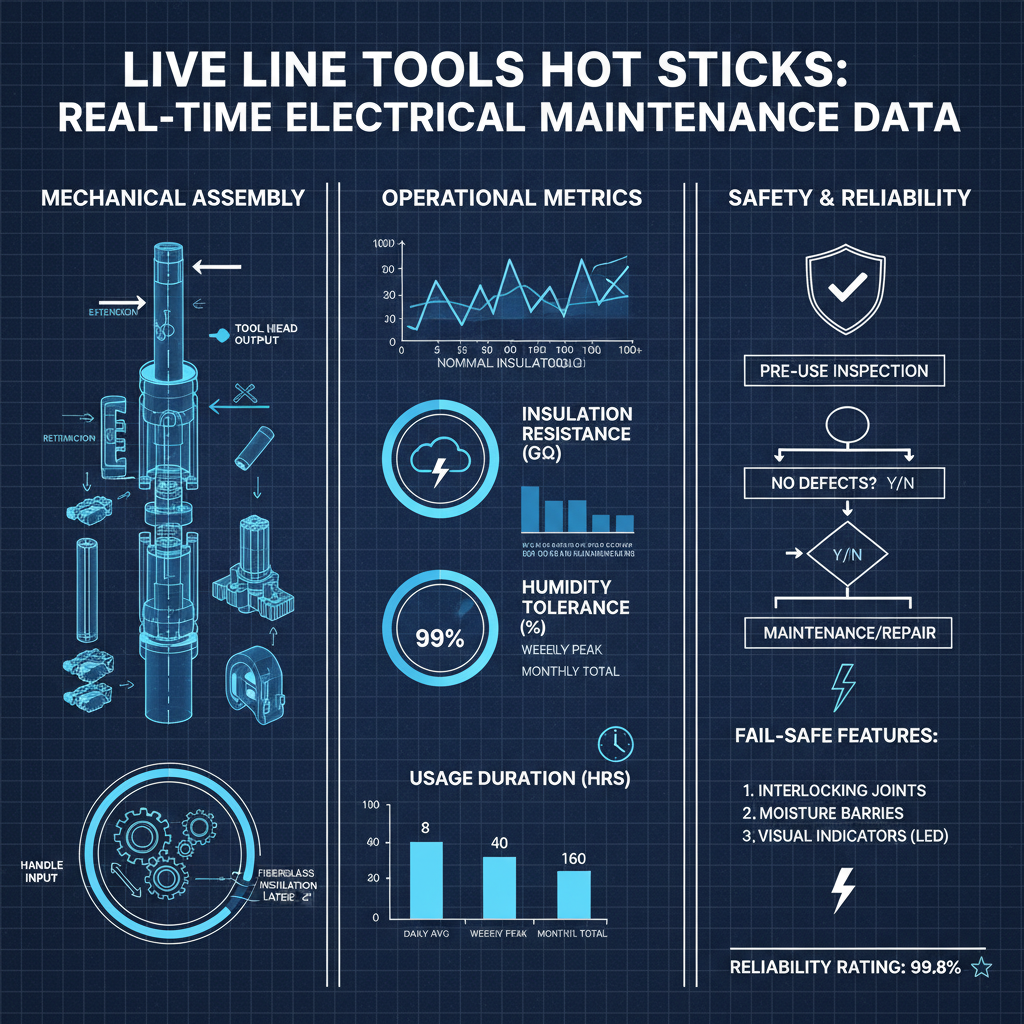
Proper Inspection and Maintenance of Hot Sticks
Regular inspection and maintenance are critical for ensuring the continued safety and effectiveness of hot sticks. Before each use, carefully inspect the stick for any signs of damage, such as cracks, chips, or delamination. The grounding attachments should be clean and properly secured. Store hot sticks in a clean, dry environment away from direct sunlight and extreme temperatures. Follow the manufacturer’s recommendations for cleaning and maintenance. Damaged or compromised hot sticks should be immediately removed from service. BiloPowTel provides resources and support to help you maintain your hot stick inventory.
Conclusion: Prioritizing Safety with Quality Hot Sticks
Investing in high-quality live line tools hot sticks from a reputable supplier like BiloPowTel is essential for protecting your workforce and ensuring the reliability of your electrical operations. Proper selection, inspection, and maintenance are key to maximizing safety and minimizing risk. Don't compromise on safety – choose BiloPowTel.
Frequently Asked Questions (FAQs)
What is the recommended training for using hot sticks?
Comprehensive training is essential for anyone using hot sticks. Training should cover proper inspection procedures, safe operating techniques, voltage awareness, grounding procedures, and emergency response protocols. Hands-on training with qualified instructors is crucial. Regular refresher courses are also recommended to reinforce safe practices and update workers on any new procedures or regulations. BiloPowTel can provide resources and connect you with certified training providers.
How often should hot sticks be inspected?
Hot sticks should be inspected before each use and after any incident that could potentially damage them. A thorough inspection should include checking for cracks, chips, delamination, and damage to the grounding attachments. Keep a record of inspections to track the condition of each hot stick and identify any recurring issues.
What should I do if I find damage on a hot stick?
If you find any damage on a hot stick, immediately remove it from service. Do not attempt to repair it yourself. Contact a qualified repair technician or replace the hot stick with a new one. Using a damaged hot stick can create a serious safety hazard.
What are the limitations of using hot sticks?
While highly effective, hot sticks have limitations. They are best suited for operations within their rated voltage and length. Complex or intricate work may not be feasible with hot sticks alone. Factors like weather conditions (strong winds, lightning) can also limit their safe use. Always assess the work environment and choose the appropriate tools and procedures for the task.
Latest news
Precision Lifting and Pulling with the Lever Block 0.5 Ton Guide
NewsApr.16,2026
Precision Engineering Guide for High Performance Jet Lever
NewsApr.16,2026
Ultimate Guide to Choosing the Professional Industrial hoist lever
NewsApr.16,2026
Industrial Hoist Lever Chain Guide for Heavy Lifting and Rigging
NewsApr.16,2026
Industrial Lever Hoist Guide for Efficient Lifting and Pulling
NewsApr.16,2026
Ultimate Guide to Hand Ratchet Lift for Heavy Industrial Lifting
NewsApr.16,2026
- CONTACT
- ADDRESS: 188, Fengshou Road, Shijiazhuang. China
- EMAlL: info@bilopowtel.com
- PHONE: 0086-311-88862036
- WHATSAPP: 0086-152-26563165


