



Mar . 12, 2026 01:45 Back to list
Comprehensive Guide to Ground Rod Cost Factors and Material Comparisons
Understanding Ground Rod Cost: A Comprehensive Guide
Determining the ground rod cost can be complex, as many factors contribute to the final price. This article will break down these factors, providing a clear understanding of what influences pricing, typical costs, and how to get the best value. We'll cover materials, length, diameter, installation considerations, and regional variations. Accurate cost assessment is vital for budgeting and ensuring a safe and effective grounding system.
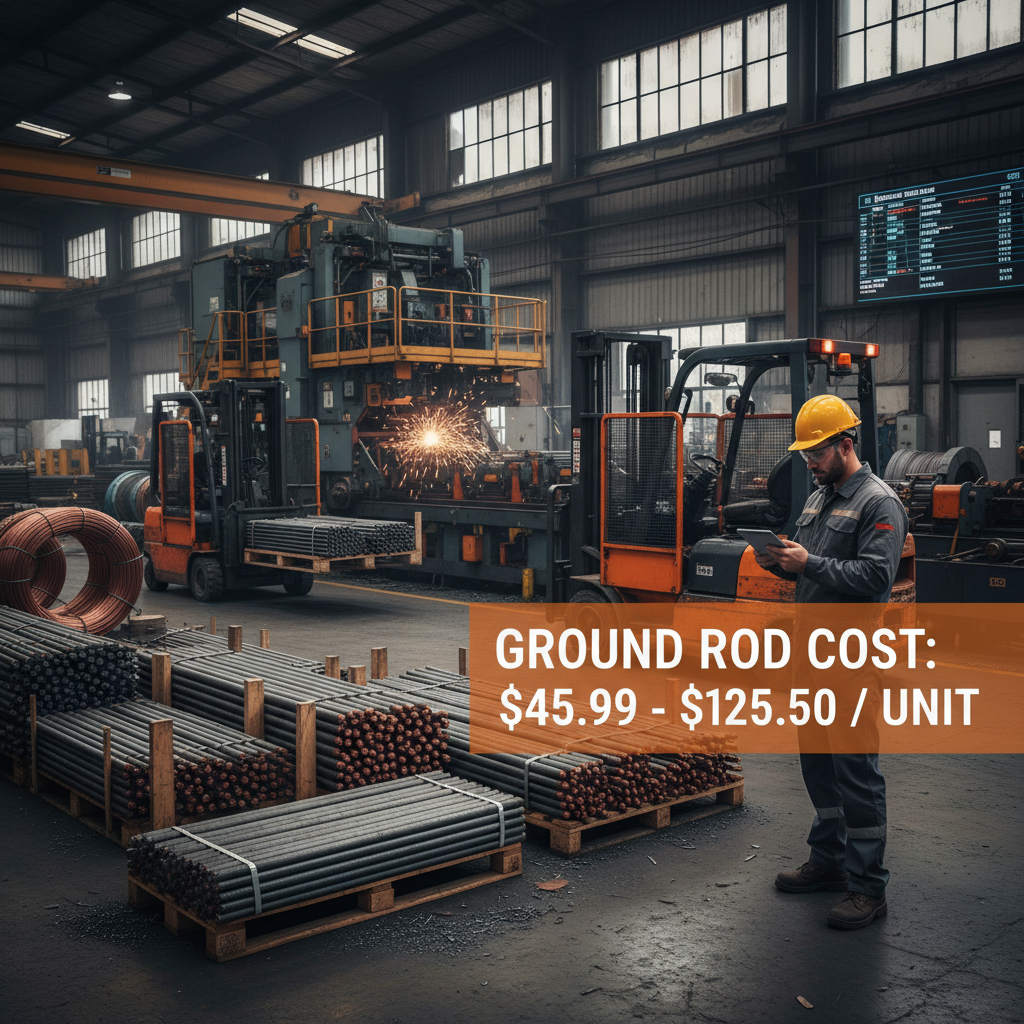
Factors Influencing Ground Rod Cost
Several key elements determine the overall ground rod cost. The primary driver is the material – copper, galvanized steel, and stainless steel each have different price points. Length and diameter are also crucial, as longer and thicker rods require more material and, consequently, cost more. Installation costs, which can vary significantly based on location and soil conditions, must also be factored in. Finally, quantity purchased often influences price, with bulk orders typically receiving discounts. Considering these factors will allow for a more accurate budget projection.
Key Considerations: Material, length, diameter, installation complexity, and quantity purchased are the main drivers of ground rod pricing.
Material Costs: Copper vs. Steel vs. Stainless Steel
The material of the ground rod significantly impacts the ground rod cost. Copper is the most expensive, offering excellent conductivity and corrosion resistance, but its high cost often limits its use to specialized applications. Galvanized steel is a more affordable option, providing adequate conductivity and reasonable corrosion resistance. Stainless steel offers a balance between cost and durability, providing superior corrosion resistance compared to galvanized steel but at a higher price. The best material depends on the specific environment and budget constraints.
Material Comparison:
• Copper: Highest conductivity, excellent corrosion resistance, highest cost.
• Galvanized Steel: Adequate conductivity, good corrosion resistance, moderate cost.
• Stainless Steel: Good conductivity, superior corrosion resistance, moderate to high cost.
Ground Rod Cost Breakdown: Length and Diameter
Ground rod length and diameter are directly proportional to the ground rod cost. Longer rods generally cost more because they require more material. Similarly, larger diameter rods demand more material and are therefore more expensive. The required length and diameter depend on the soil's resistivity – higher resistivity requires longer rods or multiple rods to achieve effective grounding. Local electrical codes often dictate minimum requirements for grounding electrode length and diameter.
Installation Costs & Regional Variations
Installation significantly adds to the overall ground rod cost. Labor costs vary considerably by region and the complexity of the installation. Difficult soil conditions (e.g., rocky terrain) require more effort and specialized equipment, increasing costs. Permitting requirements can also add to the expense. It’s wise to obtain multiple quotes from qualified electricians in your area to compare prices and services.
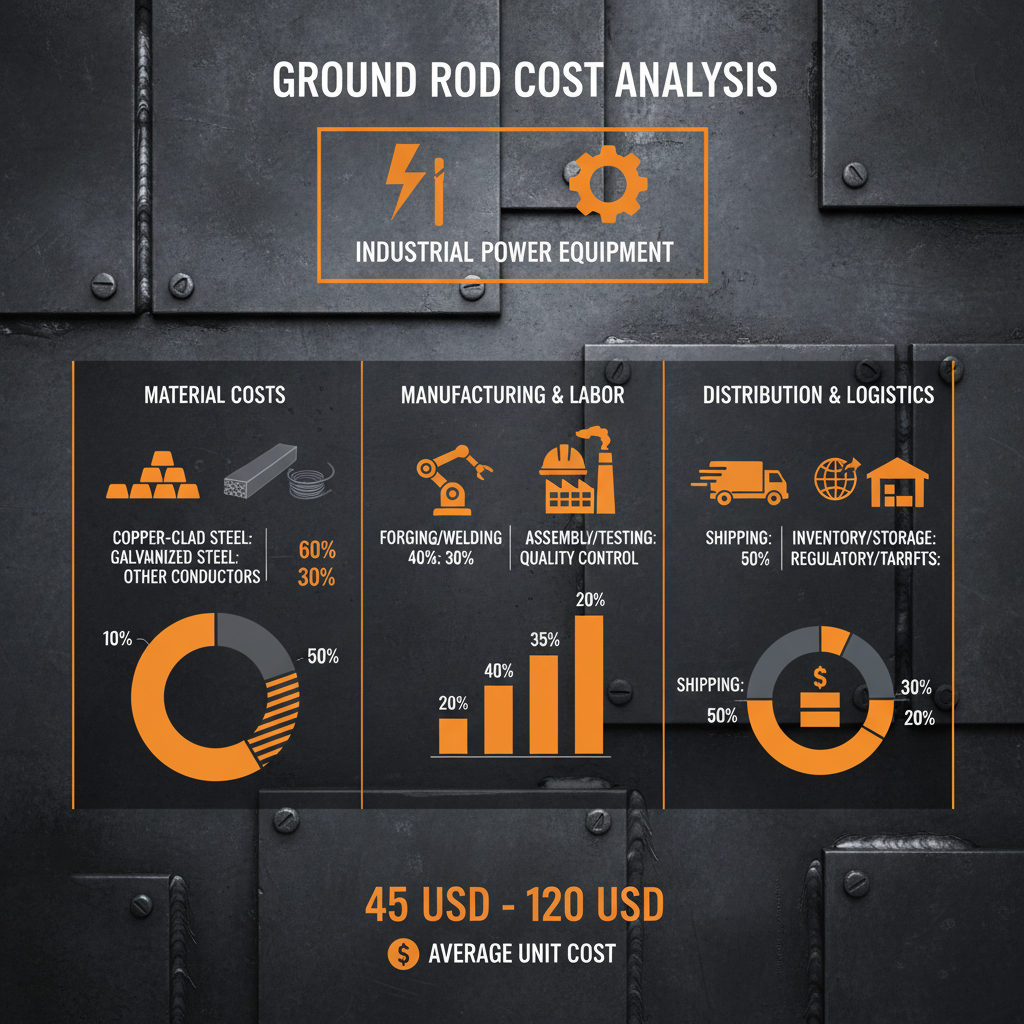
Choosing the Right Ground Rod: Maximizing Value
To maximize value when purchasing ground rods, consider the long-term benefits of investing in higher-quality materials, especially in corrosive environments. While galvanized steel is more affordable upfront, the longevity of copper or stainless steel can result in lower lifecycle costs. Furthermore, ensure the chosen rod meets all local electrical codes and standards. Consulting with a qualified electrician or contacting a reputable supplier like Bilopowtel can provide valuable guidance.
Conclusion: Informed Decisions for Effective Grounding
Understanding the factors that influence ground rod cost is essential for effective grounding system design and budget planning. By carefully considering material, length, diameter, installation requirements, and regional variations, you can make informed decisions that prioritize safety, longevity, and value.
Frequently Asked Questions (FAQs)
How many ground rods do I need?
The number of ground rods required depends on the soil resistivity and local electrical codes. Typically, a minimum of two ground rods spaced at least 6 feet apart is recommended. However, in areas with high soil resistivity, more rods may be necessary to achieve adequate grounding. A soil resistivity test is crucial for determining the optimal number and placement of ground rods. Consulting with a qualified electrician is essential to ensure compliance with safety regulations and effective grounding.
What is the best depth to drive ground rods?
Generally, ground rods should be driven to a depth of at least 8 feet. This ensures they reach soil that remains consistently moist throughout the year, providing a reliable ground connection. However, local electrical codes may specify different depth requirements. It's important to avoid driving rods into rocky layers, as this can damage the rod and compromise its effectiveness. If encountering resistance, consider using a different location or alternative grounding methods.
Can I install a ground rod myself?
While it's possible to install a ground rod yourself, it's generally recommended to hire a qualified electrician. Incorrect installation can compromise the grounding system’s effectiveness and create a safety hazard. Electricians have the expertise to assess the soil conditions, select the appropriate materials, and ensure the installation meets all local electrical codes. Incorrectly installed grounding systems can lead to electrical shocks and equipment damage.
Latest news
Precision Lifting and Pulling with the Lever Block 0.5 Ton Guide
NewsApr.16,2026
Precision Engineering Guide for High Performance Jet Lever
NewsApr.16,2026
Ultimate Guide to Choosing the Professional Industrial hoist lever
NewsApr.16,2026
Industrial Hoist Lever Chain Guide for Heavy Lifting and Rigging
NewsApr.16,2026
Industrial Lever Hoist Guide for Efficient Lifting and Pulling
NewsApr.16,2026
Ultimate Guide to Hand Ratchet Lift for Heavy Industrial Lifting
NewsApr.16,2026
- CONTACT
- ADDRESS: 188, Fengshou Road, Shijiazhuang. China
- EMAlL: info@bilopowtel.com
- PHONE: 0086-311-88862036
- WHATSAPP: 0086-152-26563165


