



Apr . 16, 2026 01:45 Back to list
Precision Engineering Guide for High Performance Jet Lever
Mastering Precision: The Ultimate Guide to the Jet Lever
In the realm of high-performance industrial machinery and precision control, the jet lever serves as a critical component for managing fluid dynamics and mechanical leverage. Whether utilized in aerospace applications, advanced hydraulic systems, or specialized automotive engineering, the quality of the lever determines the efficiency of the entire operation. Understanding the nuances of design, material selection, and ergonomic integration is essential for engineers and procurement managers seeking to optimize their hardware. In this guide, we will explore how a high-quality jet lever enhances operational safety and precision, ensuring your systems perform at their peak potential.
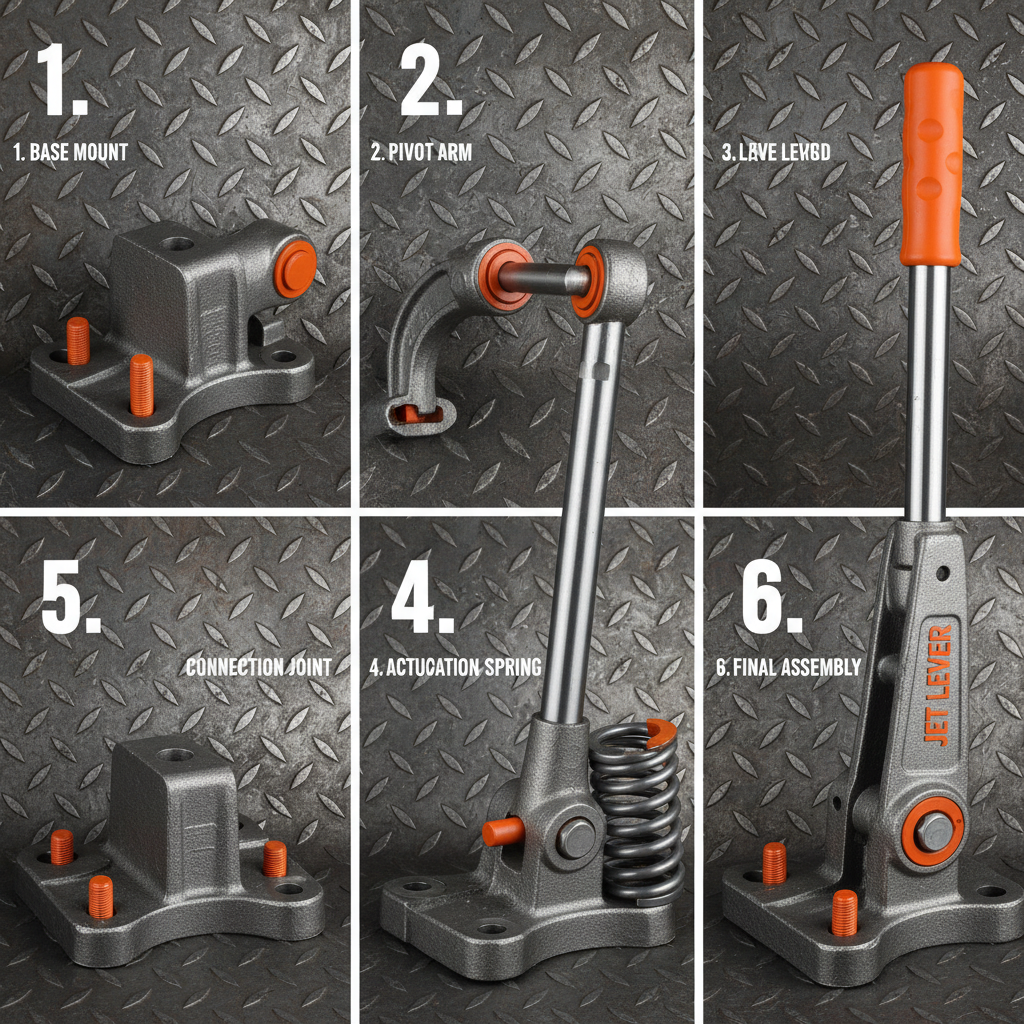
The Engineering Principles Behind the Jet Lever
The fundamental purpose of a jet lever is to convert human or mechanical input into precise linear or rotary motion. By utilizing the principle of mechanical advantage, these components allow operators to control high-pressure valves or steering mechanisms with minimal effort while maintaining extreme accuracy. Modern engineering focuses on reducing friction and eliminating "play" or hysteresis within the lever assembly. This ensures that every millimeter of movement translates directly to the actuator, which is vital in time-sensitive environments where a split-second adjustment can prevent system failure.
Design Focus: High-performance levers prioritize tensile strength and wear resistance, often employing hardened steel or aerospace-grade titanium to withstand repetitive stress cycles without deformation.
Material Comparison for Jet Lever Performance
Choosing the right material for your jet lever depends heavily on the operating environment. For instance, components exposed to corrosive saltwater or chemical vapors require different metallurgical properties than those operating in vacuum conditions. The balance between weight and strength is the primary driver in material selection. While stainless steel offers excellent corrosion resistance, titanium alloys provide a superior strength-to-weight ratio, which is indispensable for reducing the overall mass of the control assembly without sacrificing structural integrity.
Optimizing Ergonomics for the Jet Lever Operator
Beyond the internal mechanics, the external interface of a jet lever must be ergonomically sound. Operator fatigue can lead to imprecise movements or delayed reactions, which are unacceptable in high-stakes environments. This involves calculating the optimal handle diameter, the angle of the grip, and the tactile feedback provided by the lever. A well-designed grip reduces strain on the wrist and hand, allowing for more intuitive control. Furthermore, the integration of locking mechanisms or detents provides the operator with physical confirmation of the lever's position without needing to constantly look at the control panel.
Common Applications of the Jet Lever System
The versatility of the jet lever allows it to be implemented across various specialized fields. In aviation, it is used to control thrust or flap settings where precision is measured in fractions of an inch. In the automotive racing world, shifted levers use similar "jet" principles to ensure rapid, mistake-free gear changes under high G-forces. Additionally, in heavy industrial settings, these levers control the flow of high-pressure fluids in hydraulic presses or casting machines. In each of these scenarios, the lever acts as the bridge between human intent and mechanical execution.
Industry-Specific Use Cases:
• Aerospace: Fuel flow control and trim adjustment.
• Marine: Throttle and shift levers for high-speed vessels.
• Manufacturing: Precision valve actuation in chemical plants.
• Automotive: Custom sequential shifters for performance vehicles.
Technical Specifications of a Standard Jet Lever
To ensure compatibility and performance, engineers must adhere to strict technical specifications. The jet lever specifications typically include the pivot point tolerance, the maximum load capacity, and the operational temperature range. High-end levers are often CNC-machined to tolerances within microns to prevent vibration and wear. Below is a representation of typical technical specifications for a professional-grade control lever:
Conclusion: Elevating Efficiency with the Right Jet Lever
Selecting a high-quality jet lever is more than just a hardware choice; it is a commitment to operational excellence and safety. By prioritizing advanced materials, ergonomic design, and stringent technical tolerances, you ensure that your machinery operates with the highest possible precision. Whether you are upgrading an existing system or designing a new one from scratch, investing in premium components from trusted sources is the only way to guarantee long-term reliability. Enhance your control systems today and experience the difference that true precision engineering makes.
Frequently Asked Questions (FAQs)
How often should a jet lever be inspected for wear?
For high-cycle industrial applications, we recommend a comprehensive inspection every 3 to 6 months. The primary focus should be on the pivot points and bushings, where friction is most concentrated. Look for signs of metal shaving, pitting, or an increase in "play" (lateral movement) when the lever is in a neutral position. In aerospace or racing environments, inspections may be required after every major operation or event to ensure that structural integrity remains intact and that no fatigue cracks have developed in the alloy.
Can I customize the length of the jet lever for more torque?
Yes, customizing the lever length is a common way to adjust the mechanical advantage. Increasing the length of the lever arm increases the torque applied to the actuator, meaning the operator needs less force to move a heavy load. However, this comes with a trade-off: a longer lever requires more physical travel distance to achieve the same angular movement. When customizing, it is crucial to ensure that the new length does not interfere with other components or exceed the structural load limit of the pivot pin.
What is the best way to lubricate a precision jet lever?
The choice of lubricant depends on the material and the environment. For high-precision steel levers, a synthetic high-pressure grease is typically best as it stays in place and resists being squeezed out under load. For aerospace applications, specialized low-volatility lubricants are used to prevent evaporation in low-pressure environments. It is vital to avoid over-lubricating, as excess grease can attract dust and contaminants, which can act as an abrasive and actually accelerate wear on the precision-machined surfaces.
Where can I find high-quality replacements for my control levers?
Finding a reliable supplier is key to ensuring the safety and longevity of your equipment. We recommend sourcing from manufacturers who provide detailed material certifications and adhere to international quality standards. For premium components and expert guidance on selecting the right hardware for your specific application, you can visit the Bilopowtel official website, where high-performance industrial solutions are available.
Latest news
Precision Lifting and Pulling with the Lever Block 0.5 Ton Guide
NewsApr.16,2026
Precision Engineering Guide for High Performance Jet Lever
NewsApr.16,2026
Ultimate Guide to Choosing the Professional Industrial hoist lever
NewsApr.16,2026
Industrial Hoist Lever Chain Guide for Heavy Lifting and Rigging
NewsApr.16,2026
Industrial Lever Hoist Guide for Efficient Lifting and Pulling
NewsApr.16,2026
Ultimate Guide to Hand Ratchet Lift for Heavy Industrial Lifting
NewsApr.16,2026
- CONTACT
- ADDRESS: 188, Fengshou Road, Shijiazhuang. China
- EMAlL: info@bilopowtel.com
- PHONE: 0086-311-88862036
- WHATSAPP: 0086-152-26563165


