



Feb . 26, 2026 01:45 Back to list
Comprehensive Guide to Single Core Earth Wire Applications and Safety Protocols
Understanding Single Core Earth Wire: A Comprehensive Guide
Single core earth wire is a crucial component in electrical systems, providing a safe path for fault currents and protecting individuals from electric shock. This article will delve into the properties, applications, installation guidelines, and safety considerations surrounding single core earth wire. We'll cover everything from choosing the right wire gauge to ensuring correct grounding techniques. Proper understanding and implementation are vital for ensuring electrical safety and compliance with industry standards.
What is Single Core Earth Wire?
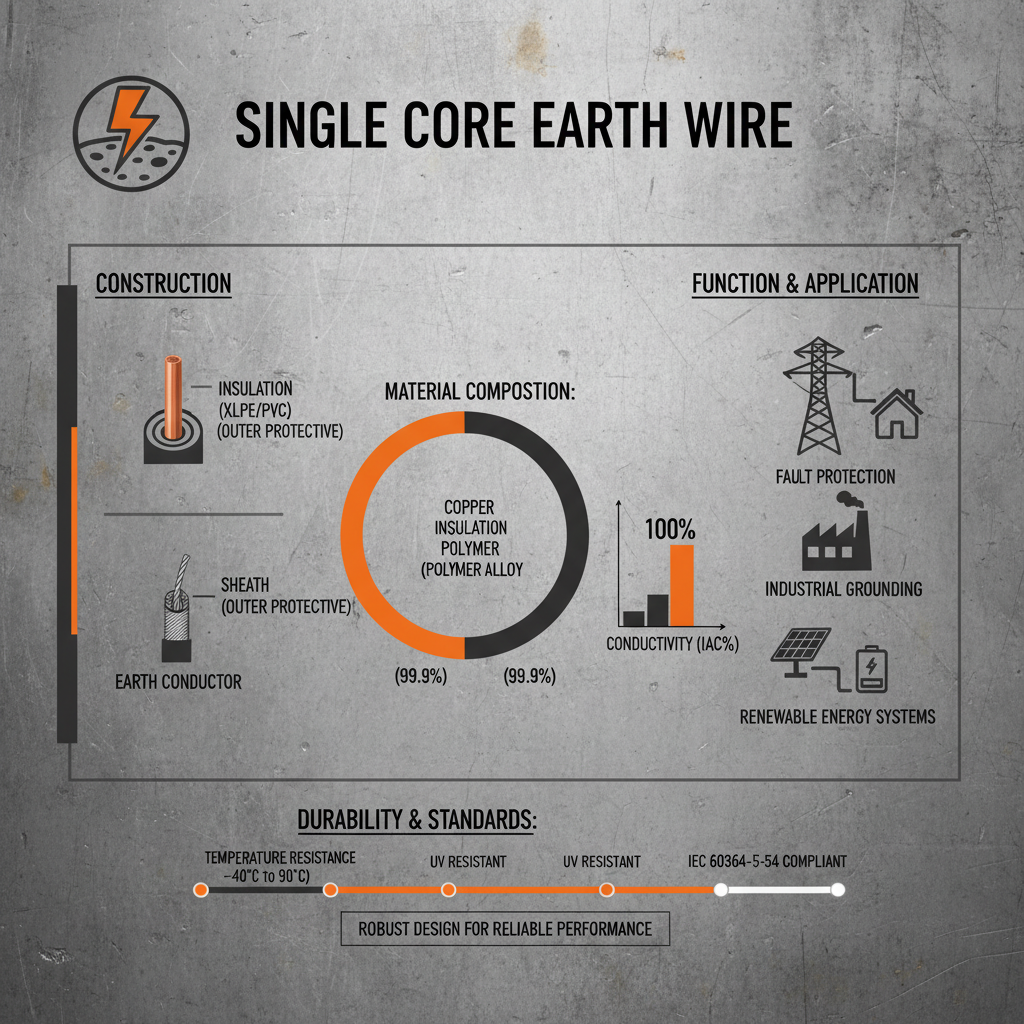
Single core earth wire, also known as grounding wire, is a single, usually bare or green-insulated, copper conductor used to connect the metallic parts of electrical equipment to the earth (ground). This creates a low-resistance pathway for fault currents, enabling circuit breakers or fuses to trip quickly, thus preventing electric shock and minimizing damage to equipment. Unlike multi-strand wires, single core wires consist of a single solid conductor. They're commonly used for earthing/grounding applications where flexibility isn't a primary concern.
Key Highlights: Single core earth wires provide a dedicated path for fault currents, enhancing safety and protecting electrical systems.
Applications of Single Core Earth Wire
The applications of single core earth wire are widespread across numerous sectors. It is extensively used in residential buildings for grounding electrical outlets, appliances, and the main electrical panel. In commercial and industrial settings, it's vital for grounding machinery, lighting systems, and large electrical distributions boards. Furthermore, it’s essential for protecting sensitive electronic equipment from voltage spikes and surges. Specific applications include earthing metal conduits, switchgear, and transformer enclosures. BiloPowTel provides high-quality earth wires for a wide range of industries.
Key Application Areas:
• Residential Electrical Systems
• Commercial Buildings
• Industrial Machinery
• Electronic Equipment Protection
Single Core Earth Wire vs. Multi-Strand Earth Wire: A Comparison
While both single core and multi-strand wires can be used for earthing, they have distinct advantages and disadvantages. Single core wire is generally more cost-effective and offers lower resistance for a given gauge. However, it is less flexible and more prone to breakage if repeatedly bent. Multi-strand wire, on the other hand, is more flexible and durable, making it suitable for applications where the wire needs to be routed through tight spaces or is subject to movement. The choice depends on the specific application and the required level of flexibility.
Selecting the Right Gauge of Single Core Earth Wire
Choosing the correct wire gauge is paramount for safety and performance. The gauge is determined by the current-carrying capacity required by the electrical system. Larger gauges (lower numbers) can handle more current. Electrical codes dictate minimum wire sizes based on circuit breaker ratings and the intended load. Consulting a qualified electrician is crucial to ensure compliance with local regulations and to select the appropriate gauge for your specific application. Utilizing undersized wire can lead to overheating and potentially cause a fire.
Safety Considerations and Installation Best Practices
When working with single core earth wire, always prioritize safety. Disconnect the power supply before commencing any electrical work. Ensure the wire is properly connected to the grounding system, creating a low-resistance path to earth. Avoid sharp bends or kinks in the wire, as these can compromise its integrity. Use appropriate connectors and terminals for secure connections. It's recommended to have a qualified electrician perform the installation and inspection to guarantee safety and compliance. Regular inspection of the grounding system is also vital to ensure its continued effectiveness.
Conclusion: Ensuring Electrical Safety with Proper Grounding
Properly installed and maintained single core earth wire is fundamental to electrical safety. Understanding its application, selecting the correct gauge, and adhering to safety precautions are crucial for protecting lives and property. BiloPowTel offers a wide range of high-quality single core earth wire to meet your specific needs.
Frequently Asked Questions (FAQs)
What is the purpose of earthing/grounding?
Earthing, or grounding, provides a safe path for fault currents to flow in the event of an electrical fault. This helps to prevent electric shock by ensuring that the current flows to the earth instead of through a person who may come into contact with a live electrical component. It also helps to protect electrical equipment from damage caused by voltage surges and spikes. A proper grounding system significantly reduces the risk of electrical hazards and ensures the reliable operation of electrical systems.
Can I use aluminum wire for earthing?
While aluminum wire can technically be used for earthing, it is not generally recommended. Copper is the preferred material due to its superior conductivity and resistance to corrosion. Aluminum is more prone to corrosion, which can increase resistance and compromise the effectiveness of the grounding system. Using copper ensures a long-lasting and reliable connection to earth. It’s best to consult local electrical codes for specific requirements.
How do I inspect my grounding system?
Regular inspection of your grounding system is crucial for ensuring its effectiveness. Visually inspect all connections for corrosion or looseness. Check the continuity of the grounding wire using a multimeter. Ensure that the grounding electrode (typically a ground rod or water pipe) is properly connected and in good condition. If you notice any issues, consult a qualified electrician to address them promptly. Annual inspections are recommended, or more frequently in harsh environments.
What are the risks of a faulty grounding system?
A faulty grounding system poses significant safety risks. It can increase the risk of electric shock, as fault currents may not have a clear path to earth. It can also lead to equipment damage due to voltage surges and spikes. In some cases, a faulty grounding system can even create a fire hazard. Regular inspection and maintenance are essential to mitigate these risks and ensure the safety of your electrical system.
Latest news
Precision Lifting and Pulling with the Lever Block 0.5 Ton Guide
NewsApr.16,2026
Precision Engineering Guide for High Performance Jet Lever
NewsApr.16,2026
Ultimate Guide to Choosing the Professional Industrial hoist lever
NewsApr.16,2026
Industrial Hoist Lever Chain Guide for Heavy Lifting and Rigging
NewsApr.16,2026
Industrial Lever Hoist Guide for Efficient Lifting and Pulling
NewsApr.16,2026
Ultimate Guide to Hand Ratchet Lift for Heavy Industrial Lifting
NewsApr.16,2026
- CONTACT
- ADDRESS: 188, Fengshou Road, Shijiazhuang. China
- EMAlL: info@bilopowtel.com
- PHONE: 0086-311-88862036
- WHATSAPP: 0086-152-26563165


