



Feb . 26, 2026 01:45 Back to list
The Earth Wire A Comprehensive Guide to Electrical Safety
Understanding the Crucial Role of the Earth Wire
In the realm of electrical safety, the earth wire (also known as a ground wire) is a fundamental component often overlooked, yet utterly critical. This article will delve into the purpose, function, and importance of the earth wire, providing a comprehensive overview for both professionals and homeowners. We’ll explore how it safeguards against electrical shock and damage, its proper installation, and the potential consequences of its absence. Understanding the earth wire's role is paramount for ensuring a safe electrical environment.
What is an Earth Wire and How Does it Work?
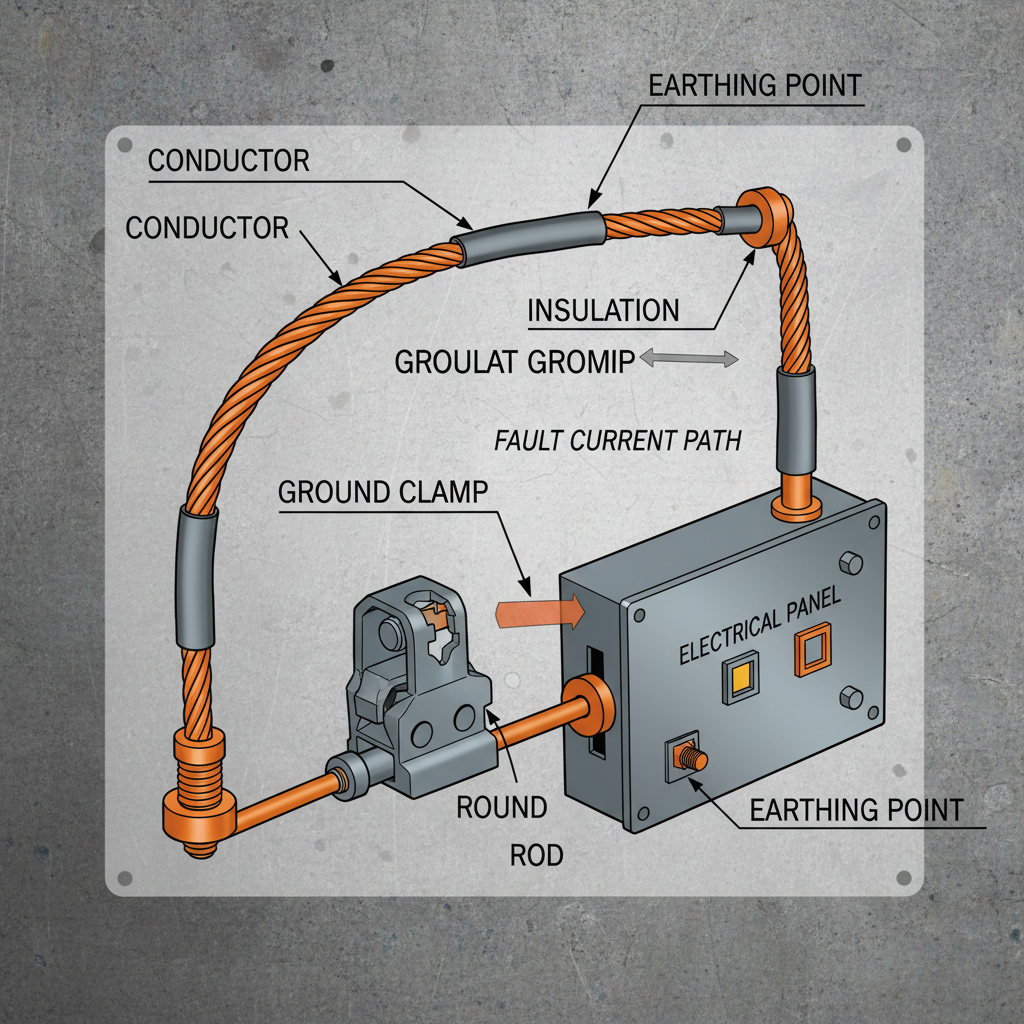
The earth wire is a safety conductor connected directly to the electrical supply’s earth point. Its primary function isn't to carry current during normal operation; instead, it provides a low-resistance path for fault current to flow back to the source. In essence, if a live wire comes into contact with a metal casing of an appliance, the earth wire redirects the current, tripping the circuit breaker or blowing a fuse, thus disconnecting the power and preventing electric shock. This process protects users from potentially fatal electrical hazards. Bilopowtel offers high-quality earth wires designed for optimal safety and performance.
Key Takeaway: The earth wire is a passive safety component that activates only during an electrical fault, safeguarding against shock and fire.
The Importance of Proper Earth Wire Installation
Correct installation is paramount for the earth wire to function effectively. It must be securely connected to the appliance's metal chassis and the main earth terminal in the consumer unit (fuse box). Loose connections or corrosion can significantly increase resistance, hindering its ability to divert fault current. Professional installation is highly recommended, ensuring adherence to local electrical codes and regulations. Bilopowtel's experienced technicians can provide expert installation services.
Installation Best Practices:
• Ensure secure connections at both ends.
• Use appropriately sized earth wire for the circuit.
• Regularly inspect connections for corrosion.
• Consult a qualified electrician for complex installations.
Earth Wire vs. Neutral Wire: Understanding the Difference
It's common to confuse the earth wire with the neutral wire, but they serve distinct purposes. The neutral wire completes the circuit during normal operation and carries current. The earth wire, as previously discussed, is a safety conductor activated only during a fault. The neutral wire is intentionally connected to the earth at the supply, but this doesn't equate to the earth wire’s safety function. Using the neutral wire as an earth wire is extremely dangerous and can be fatal. Bilopowtel emphasizes the critical distinction between these wires for electrical safety.
The Consequences of a Missing or Faulty Earth Wire
A missing or faulty earth wire significantly increases the risk of electrical shock, fire, and damage to appliances. Without a reliable path for fault current, a live wire contacting a metal casing can energize the entire appliance, posing a lethal hazard to anyone who touches it. Furthermore, the resulting high current can overload the circuit, potentially causing a fire. Regular testing of the earth wire's continuity is essential to ensure its effectiveness. Bilopowtel offers testing services to verify the integrity of your electrical systems.
Earth Wire Standards and Regulations
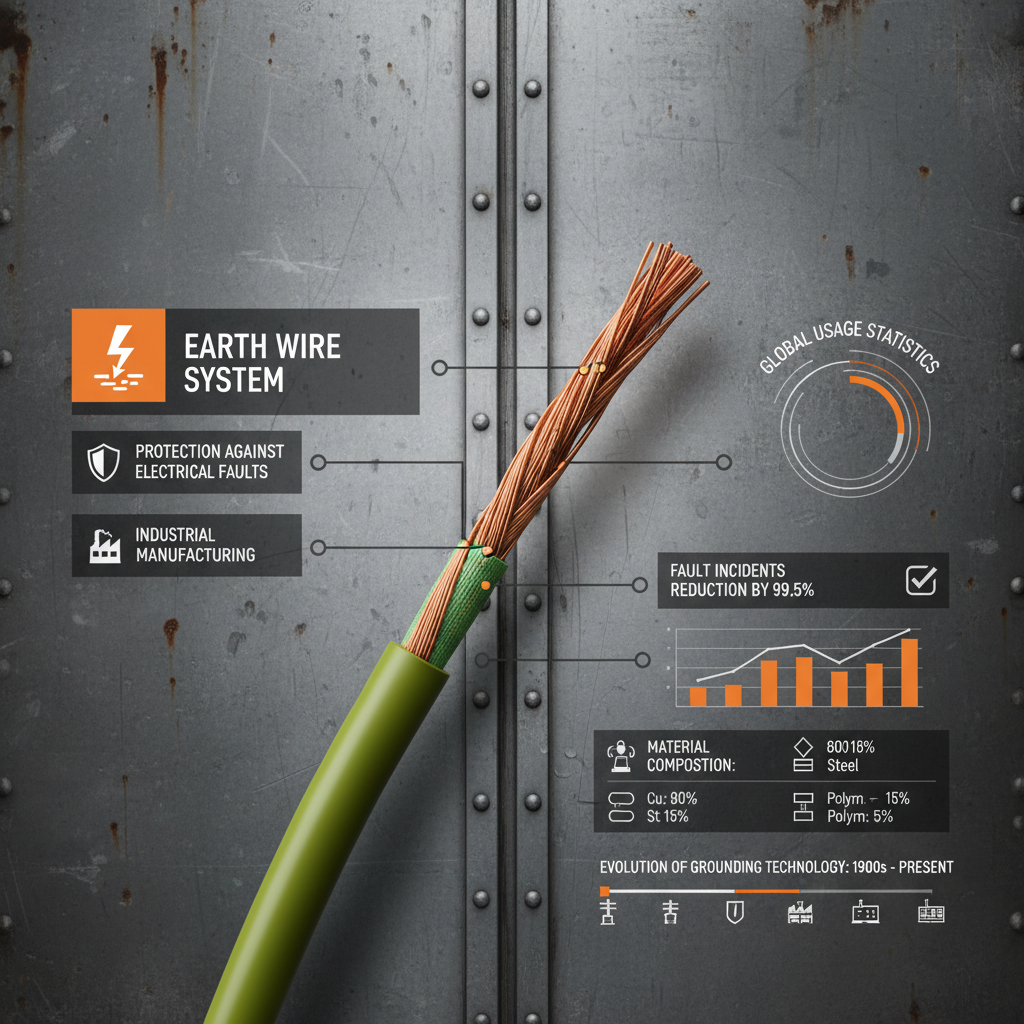
Electrical installations are governed by stringent safety standards to ensure protection against hazards. Regulations such as IEC 60364 and national wiring codes (like the NEC in the US or BS 7671 in the UK) specify requirements for earth wire size, installation methods, and testing procedures. These standards are regularly updated to reflect advancements in safety technology and best practices. Adherence to these regulations is crucial for legal compliance and, more importantly, for the safety of occupants. Bilopowtel stays abreast of these regulations to deliver compliant and safe electrical solutions.
Conclusion: Prioritizing Safety with the Earth Wire
The earth wire is an indispensable component of any electrical system, providing a critical layer of safety against electrical shock and fire. Proper installation, regular inspection, and adherence to safety standards are essential for ensuring its effectiveness. Don't underestimate the importance of this often-unseen safeguard – it could save a life.
Frequently Asked Questions (FAQs)
What gauge (size) earth wire should I use?
The appropriate gauge of earth wire depends on the current-carrying capacity of the circuit it protects. Generally, the earth wire should be at least the same size as the live conductor. For typical household circuits, 14 AWG (2.63mm²) copper wire is often sufficient for 15-amp circuits, while 12 AWG (3.31mm²) is recommended for 20-amp circuits. Always consult a qualified electrician or refer to your local electrical code for specific requirements, as they can vary based on the installation and local regulations. Using an undersized earth wire can compromise its effectiveness in the event of a fault.
How often should I have my earth wire tested?
It's recommended to have your earth wire tested at least every five years, or more frequently if you suspect a problem. A qualified electrician can perform an earth loop impedance test to verify the effectiveness of the earth path. Regular testing ensures that the earth wire is providing adequate protection in the event of a fault. This is particularly important in older properties where wiring may have deteriorated over time.
Can I repair a damaged earth wire myself?
No, you should not attempt to repair a damaged earth wire yourself. Electrical work can be dangerous, and improper repairs can create a serious safety hazard. Always engage a qualified and licensed electrician to inspect and repair any damage to the earth wire or any other part of your electrical system. Bilopowtel provides professional repair services to ensure your electrical system is safe and compliant.
Latest news
Precision Lifting and Pulling with the Lever Block 0.5 Ton Guide
NewsApr.16,2026
Precision Engineering Guide for High Performance Jet Lever
NewsApr.16,2026
Ultimate Guide to Choosing the Professional Industrial hoist lever
NewsApr.16,2026
Industrial Hoist Lever Chain Guide for Heavy Lifting and Rigging
NewsApr.16,2026
Industrial Lever Hoist Guide for Efficient Lifting and Pulling
NewsApr.16,2026
Ultimate Guide to Hand Ratchet Lift for Heavy Industrial Lifting
NewsApr.16,2026
- CONTACT
- ADDRESS: 188, Fengshou Road, Shijiazhuang. China
- EMAlL: info@bilopowtel.com
- PHONE: 0086-311-88862036
- WHATSAPP: 0086-152-26563165


