



Apr . 07, 2026 01:45 Back to list
Understanding the Versatility and Applications of the Chain Lever System
Understanding the Versatility of the Chain Lever
The chain lever is a crucial component in a wide array of industrial and mechanical applications. From simple gate closures to complex machine control systems, its robust design and reliable functionality make it an indispensable tool. This article will explore the various uses, benefits, and considerations when selecting a chain lever, focusing on its applications in global trade and highlighting quality options available from Bilopowtel. Proper understanding of this mechanism is essential for efficient and safe operation across numerous industries.
What is a Chain Lever and How Does it Work?
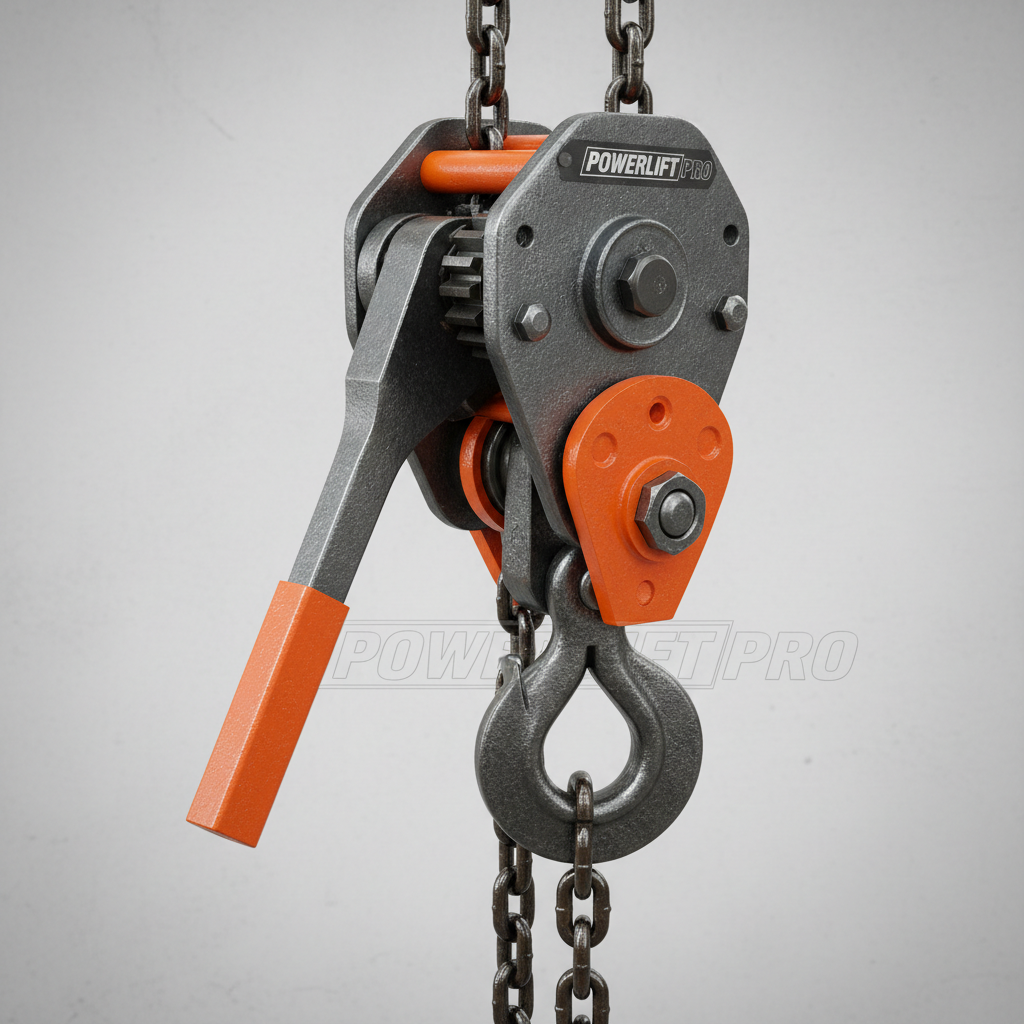
A chain lever is a mechanical device used to apply force and motion. It typically consists of a lever arm connected to a chain, allowing for increased mechanical advantage. The principle is simple: a small force applied to the lever arm translates into a larger force at the end of the chain. This is particularly useful when controlling heavier loads or requiring precise adjustments. Different designs exist, varying in chain length, lever arm ratio, and materials of construction, each suited for specific tasks. Understanding the mechanics behind the chain lever’s operation is vital for maximizing its effectiveness.
Key Features: Provides significant mechanical advantage, durable construction for long-term use, adaptable to various applications, and typically requires minimal maintenance.
Common Applications of Chain Levers
Chain levers find applications across diverse industries. In agriculture, they are used for controlling machinery and adjusting settings on farm equipment. Manufacturing plants utilize them for precise positioning of heavy components and operating industrial gates. The marine industry employs chain levers for controlling valves and securing loads. Furthermore, they are integral to certain types of braking systems, particularly in older machinery. Bilopowtel provides chain levers tailored to meet the demands of these and many other specialized applications.
Application Areas:
• Agriculture
• Manufacturing
• Marine Industry
• Braking Systems
Chain Lever Materials: A Comparative Analysis
The material used in constructing a chain lever significantly impacts its durability and suitability for specific environments. Common materials include steel (carbon steel, stainless steel), aluminum, and cast iron. Steel offers high strength and is ideal for heavy-duty applications, but is susceptible to corrosion. Stainless steel provides excellent corrosion resistance, making it suitable for marine environments. Aluminum is lightweight and corrosion-resistant but less strong than steel. Cast iron is economical but brittle. The optimal choice depends on factors like load requirements, environmental conditions, and budget.
Selecting the Right Chain Lever for Your Needs
Choosing the appropriate chain lever involves considering several factors. The load capacity is paramount – the lever must be able to safely handle the maximum weight it will encounter. The length of the chain and lever arm influence the mechanical advantage; longer levers provide greater force but require more movement. Environmental conditions, such as exposure to moisture or corrosive substances, dictate the material selection. Furthermore, the specific application may require features like locking mechanisms or adjustable tension. Bilopowtel offers expert advice and a comprehensive range of chain levers to meet diverse requirements.
Maintaining and Inspecting Your Chain Lever
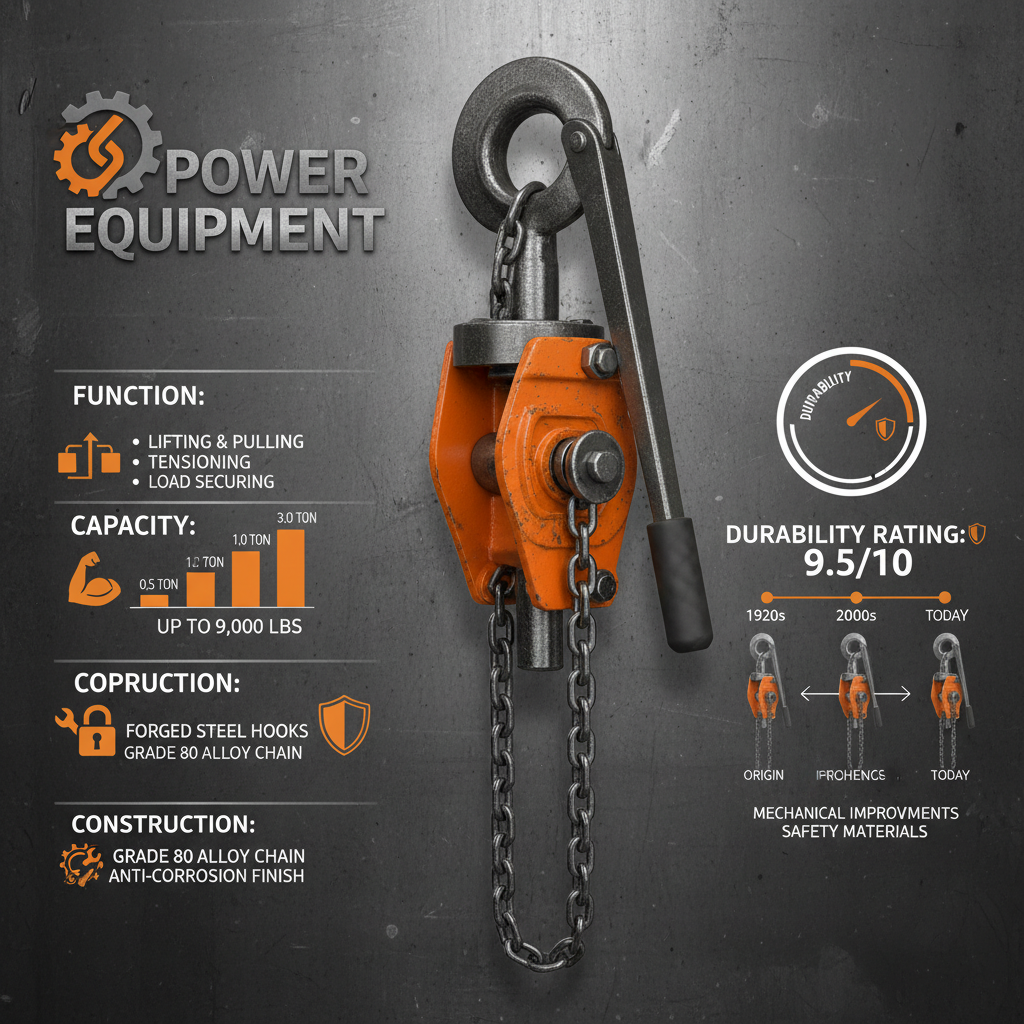
Regular maintenance is crucial for ensuring the longevity and safe operation of a chain lever. This includes periodic lubrication of moving parts to reduce friction and prevent corrosion. Inspect the chain and lever arm for signs of wear, cracks, or damage. Ensure all connections are secure and properly tightened. Promptly replace any worn or damaged components. Following these simple maintenance practices will significantly extend the lifespan of your chain lever and minimize the risk of failure.
Conclusion: The Importance of Quality Chain Levers
Investing in a high-quality chain lever from a reputable supplier like Bilopowtel is essential for ensuring reliable performance, safety, and longevity. By understanding the applications, materials, and maintenance requirements of these critical components, you can optimize their effectiveness and minimize downtime. Choose wisely and prioritize quality for a robust and efficient operation.
Frequently Asked Questions (FAQs)
What is the typical lifespan of a chain lever?
The lifespan of a chain lever varies depending on usage frequency, load weight, environmental conditions, and maintenance. Generally, with regular maintenance and proper usage, a well-constructed chain lever can last for 5-10 years or even longer. However, frequent overloading, exposure to corrosive environments, or lack of lubrication can significantly reduce its lifespan. Regular inspections are crucial for identifying potential issues before they lead to failure. Consider factors such as the material, the quality of the chain, and the severity of the operating conditions.
How do I determine the correct load capacity for a chain lever?
Determining the correct load capacity is critical for safety. Always refer to the manufacturer's specifications for the chain lever. The specifications will indicate the maximum weight the lever can safely handle. It's crucial to account for dynamic loads (impact forces) in addition to static loads (constant weight). As a general rule, it's recommended to choose a chain lever with a load capacity that exceeds the maximum expected load by a safety factor of at least 2. If you're unsure, consult with an engineer or a qualified professional to ensure you select the appropriate lever.
What type of lubrication is recommended for chain levers?
The appropriate type of lubricant depends on the operating environment and the lever's materials. For general-purpose applications, a multi-purpose lithium-based grease is often suitable. In corrosive environments, a marine-grade grease or a synthetic lubricant with corrosion inhibitors is recommended. Avoid using oil-based lubricants, as they can attract dirt and debris. Apply lubricant to all moving parts, including the chain links, pivot points, and any sliding surfaces. Follow the manufacturer's recommendations for lubrication frequency and type.
Where can I find high-quality chain levers for industrial applications?
Bilopowtel is a leading provider of high-quality chain levers for a wide range of industrial applications. We offer a diverse selection of levers in various materials, sizes, and load capacities. Our products are manufactured to stringent quality standards and are backed by excellent customer support. Visit our website or contact our sales team to discuss your specific requirements and find the perfect chain lever for your needs.
Latest news
Precision Lifting and Pulling with the Lever Block 0.5 Ton Guide
NewsApr.16,2026
Precision Engineering Guide for High Performance Jet Lever
NewsApr.16,2026
Ultimate Guide to Choosing the Professional Industrial hoist lever
NewsApr.16,2026
Industrial Hoist Lever Chain Guide for Heavy Lifting and Rigging
NewsApr.16,2026
Industrial Lever Hoist Guide for Efficient Lifting and Pulling
NewsApr.16,2026
Ultimate Guide to Hand Ratchet Lift for Heavy Industrial Lifting
NewsApr.16,2026
- CONTACT
- ADDRESS: 188, Fengshou Road, Shijiazhuang. China
- EMAlL: info@bilopowtel.com
- PHONE: 0086-311-88862036
- WHATSAPP: 0086-152-26563165


