



Mar . 26, 2026 01:45 Back to list
Comprehensive Guide to Different Types of Earth Rod for Effective Grounding Systems
Types of Earth Rod: A Comprehensive Guide
Earth rods, also known as grounding rods, are crucial components in electrical safety systems, providing a pathway for fault currents to dissipate into the earth. Choosing the right type of earth rod depends on soil conditions, electrical requirements, and budget. This article explores the various types of earth rods available, their applications, and factors to consider when selecting the most suitable option. Understanding the different types will help you ensure a safe and effective grounding system for your needs.
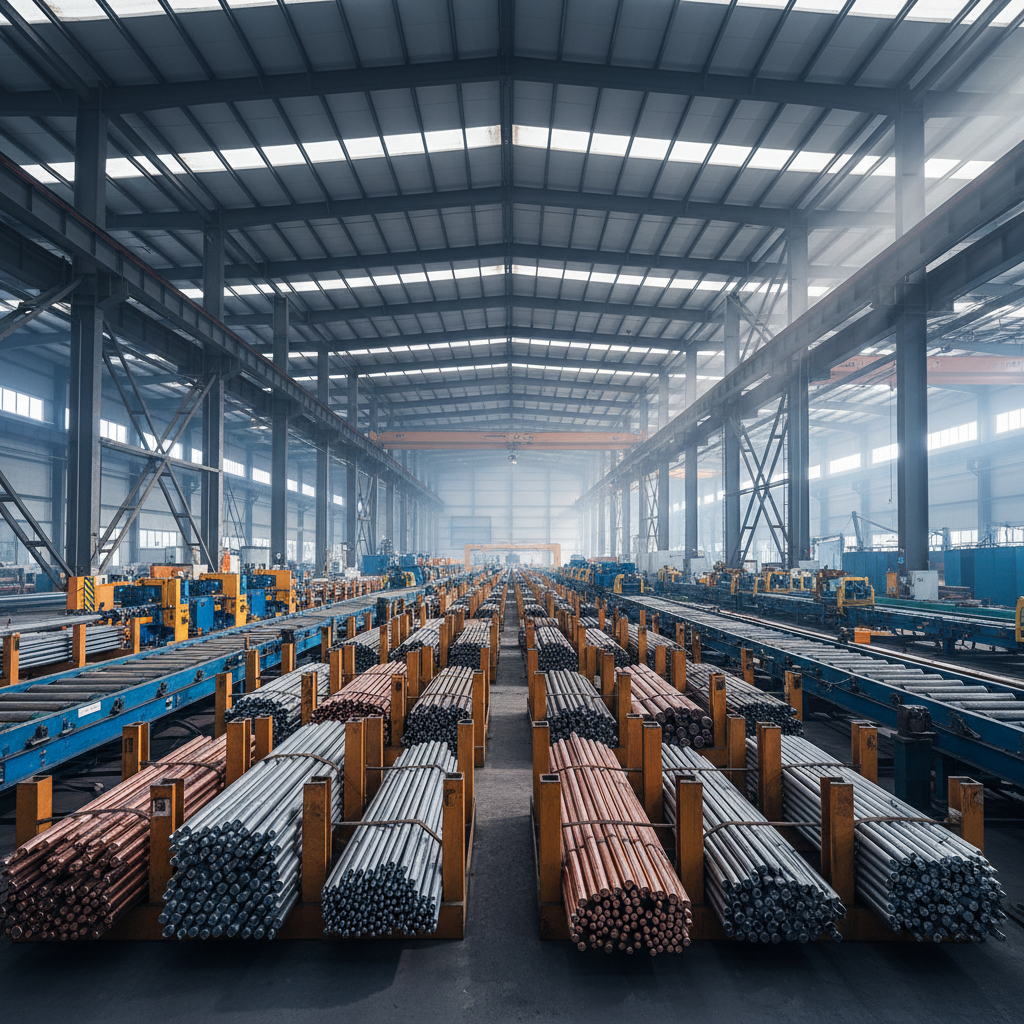
Copper Earth Rods: Excellent Conductivity
Copper earth rods are renowned for their exceptional electrical conductivity, making them highly effective in dissipating fault currents. They are resistant to corrosion, ensuring a long service life, even in challenging soil conditions. However, copper is a relatively expensive material, making these rods a higher-cost option. They are commonly used in sensitive electrical systems where minimizing grounding resistance is paramount, such as telecommunication facilities and critical infrastructure. Their durability and low resistance are key advantages.
Galvanized Steel Earth Rods: Cost-Effective and Common
Galvanized steel earth rods offer a balance between cost and performance. The galvanized coating provides a degree of corrosion resistance, although not as high as copper. These rods are a popular choice for residential, commercial, and industrial applications where budget is a significant factor. They are readily available in various lengths and diameters. While galvanized steel offers good grounding capabilities, it is susceptible to corrosion over time, particularly in acidic or saline soils.
Stainless Steel Earth Rods: Superior Corrosion Resistance
Stainless steel earth rods provide excellent corrosion resistance, making them ideal for harsh environments such as coastal areas, chemically contaminated soils, or areas with high salt content. While more expensive than galvanized steel, they offer a significantly longer service life and require less maintenance. Different grades of stainless steel offer varying levels of corrosion protection, with 316 stainless steel being a common choice for demanding applications. These rods are a worthwhile investment in areas prone to corrosion.
Key Comparison: Stainless steel rods offer superior corrosion resistance but come at a higher price point. Galvanized steel provides a cost-effective solution but requires more frequent inspection and potential replacement in corrosive environments.
Hollow Round Earth Rods: Driven into the Ground
Hollow round earth rods are designed to be driven directly into the ground using a driving head and sledgehammer or a pneumatic driver. They are available in copper, galvanized steel, or stainless steel. The hollow construction allows for the insertion of coupling sleeves to connect multiple rods together, achieving the desired depth and grounding resistance. These rods are quick and easy to install, making them a popular choice for many applications. Bilo Powtel offers a wide range of high-quality hollow round earth rods.
Solid Earth Rods: For Specific Soil Conditions
Solid earth rods, also available in copper, galvanized steel, and stainless steel, are driven into the ground like hollow rods but without the hollow core. They are suitable for less dense soils where driving a hollow rod might cause collapse. They offer a robust and reliable grounding solution, particularly in areas where the soil doesn't easily compress. Solid rods typically require more force to drive into the ground compared to hollow rods.
Selecting the Right Earth Rod: Key Considerations
When choosing an earth rod, consider the following factors: soil resistivity, anticipated fault current levels, environmental conditions, and budget constraints. Soil resistivity testing is crucial for determining the most effective grounding solution. Higher resistivity soils require longer or multiple earth rods to achieve acceptable grounding resistance. Always consult with a qualified electrician or grounding specialist to ensure proper installation and compliance with local regulations.
Conclusion: Ensuring Electrical Safety with the Right Grounding System
Selecting the appropriate type of earth rod is critical for ensuring electrical safety and protecting equipment from damage. By understanding the characteristics of each type and considering your specific application requirements, you can create a reliable and effective grounding system. Investing in quality earth rods and professional installation is a small price to pay for peace of mind and protection against potential hazards.
Frequently Asked Questions (FAQs)
How deep should an earth rod be driven?
The recommended depth for an earth rod varies depending on soil conditions and local regulations, but generally, a minimum depth of 8 feet (2.4 meters) is recommended. In areas with dry or rocky soil, deeper installation may be necessary to reach moist ground and achieve adequate grounding resistance. Multiple earth rods connected together can also be used to improve grounding performance, particularly in high-resistivity soils. Always adhere to local electrical codes and best practices for installation.
What is soil resistivity and why is it important?
Soil resistivity is a measure of how easily electricity flows through the soil. Low resistivity indicates that the soil is a good conductor, while high resistivity means it's a poor conductor. Soil resistivity is crucial because it directly affects the effectiveness of your grounding system. High resistivity soils require longer or multiple earth rods to achieve the desired grounding resistance. Soil resistivity testing is typically performed using a four-point Wenner method to determine the best grounding configuration.
Can I use multiple earth rods connected together?
Yes, connecting multiple earth rods together is a common practice and often recommended, especially in high-resistivity soils. This reduces the overall grounding resistance and improves the effectiveness of the grounding system. The rods should be connected using approved grounding connectors and conductors, and the connections should be buried to prevent corrosion. The maximum distance between rods should be in accordance with local electrical codes.
How often should earth rods be inspected?
Earth rods should be inspected regularly, at least annually, to ensure they are still in good condition and providing effective grounding. Inspect for signs of corrosion, damage, or loose connections. Grounding resistance testing should also be performed periodically to verify that the grounding system is within acceptable limits. In corrosive environments, more frequent inspections may be necessary.
Latest news
Precision Lifting and Pulling with the Lever Block 0.5 Ton Guide
NewsApr.16,2026
Precision Engineering Guide for High Performance Jet Lever
NewsApr.16,2026
Ultimate Guide to Choosing the Professional Industrial hoist lever
NewsApr.16,2026
Industrial Hoist Lever Chain Guide for Heavy Lifting and Rigging
NewsApr.16,2026
Industrial Lever Hoist Guide for Efficient Lifting and Pulling
NewsApr.16,2026
Ultimate Guide to Hand Ratchet Lift for Heavy Industrial Lifting
NewsApr.16,2026
- CONTACT
- ADDRESS: 188, Fengshou Road, Shijiazhuang. China
- EMAlL: info@bilopowtel.com
- PHONE: 0086-311-88862036
- WHATSAPP: 0086-152-26563165


