



Feb . 26, 2026 01:45 Back to list
The Vital Role of a Socket Earth Wire in Electrical Safety Systems
Understanding the Importance of a Socket Earth Wire
In the realm of electrical safety, a properly installed and functioning socket earth wire is paramount. Often overlooked, this crucial component acts as a vital safety net, protecting individuals from potentially lethal electric shocks. This article will delve into the function, installation, testing, and importance of a socket earth wire, providing a comprehensive guide for both professionals and homeowners. We’ll explore why prioritizing earth wire safety is a non-negotiable aspect of any electrical system.
What is a Socket Earth Wire and Why is it Important?
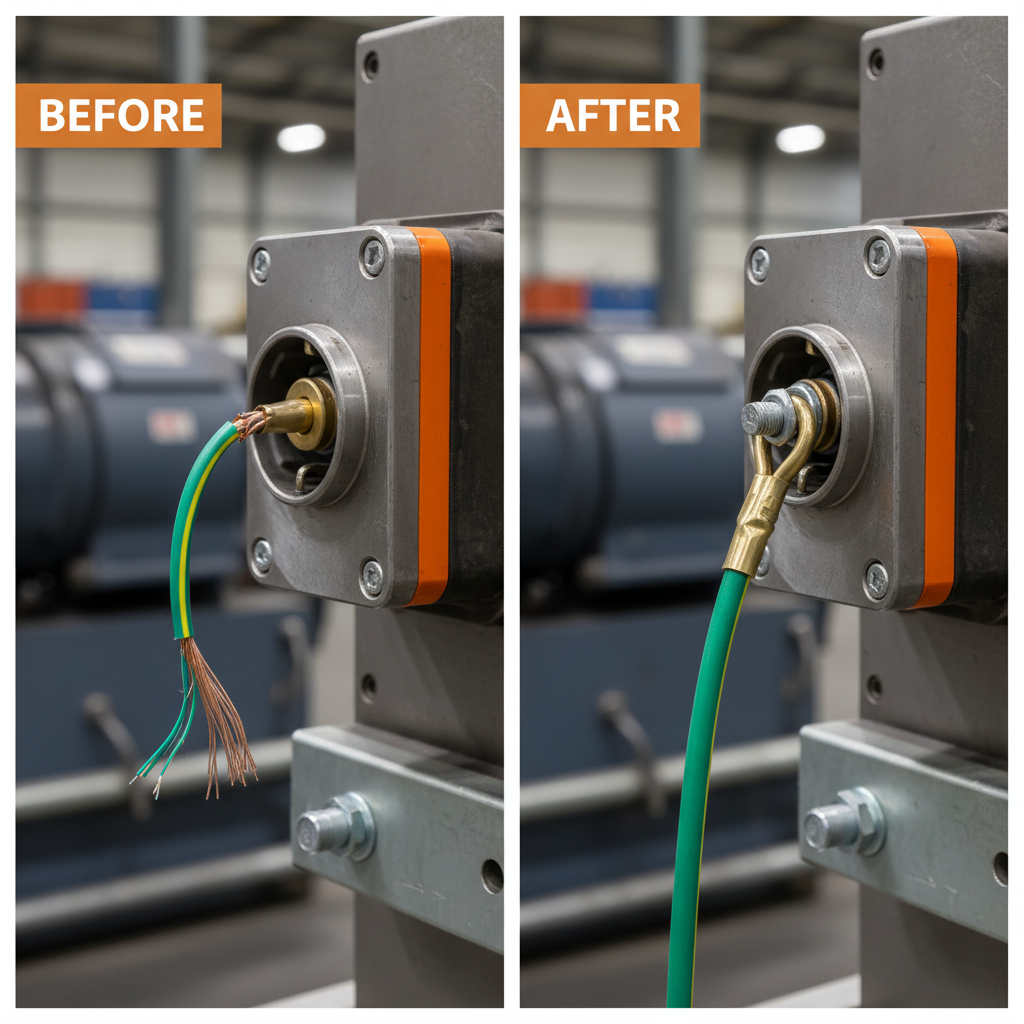
A socket earth wire, also known as a ground wire, is a safety conductor that provides a low-resistance path for electrical current to flow back to the source in the event of a fault. Its primary function isn’t to carry current during normal operation, but to activate a protective device – a circuit breaker or fuse – if a live wire comes into contact with a metal casing or other conductive part of an appliance. This prevents the casing from becoming live, eliminating the risk of electric shock to anyone who touches it. Without a functioning earth wire, a fault can create a dangerous situation where the appliance's metal parts become energized. BiloPowTel offers a wide range of high-quality sockets and wiring solutions designed with safety in mind.
Key Benefit: Providing a low-resistance path for fault current, triggering protective devices and preventing electric shock.
How is a Socket Earth Wire Installed?
Correct installation is crucial for the earth wire to function effectively. The earth wire, typically green and yellow in color, must be securely connected to the earth terminal within the socket outlet. This terminal is usually located in the center of the back of the socket. It must also be connected to the main earth terminal in the consumer unit (fuse box) via a continuous earth conductor. Proper bonding of metallic parts, such as metal conduits and water pipes, is also essential to ensure a complete earth path. BiloPowTel’s expert technicians can provide professional installation services, ensuring compliance with safety regulations.
Installation Checklist:
• Secure connection to socket earth terminal.
• Continuous connection to main earth terminal.
• Proper bonding of metallic components.
Socket Earth Wire: Comparing Wiring Systems
Different wiring systems utilize different approaches to earthing. Understanding these differences is important. Here’s a comparison of common systems:
Testing Your Socket Earth Wire: Ensuring Functionality
Regular testing is crucial to verify the effectiveness of your earth wire. A simple test can be performed using an earth tester (also known as a ground tester). This device measures the resistance of the earth path. A reading of less than 1 ohm is generally considered acceptable. It’s highly recommended to have a qualified electrician perform this test annually to ensure your electrical system is safe. Don’t attempt to test or repair electrical systems if you’re not qualified – it can be incredibly dangerous. BiloPowTel provides comprehensive electrical testing services.
Consequences of a Faulty Socket Earth Wire
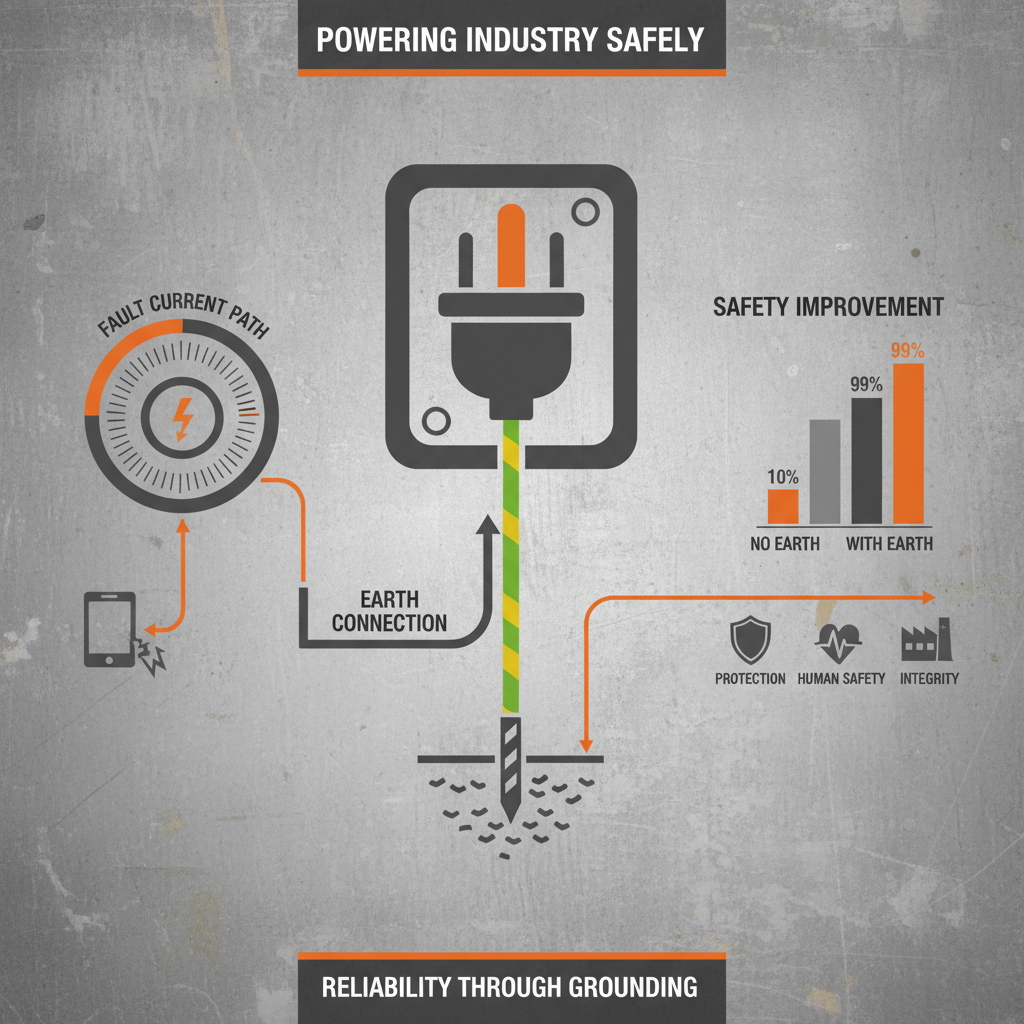
A faulty or missing socket earth wire dramatically increases the risk of electric shock and electrical fires. If a fault occurs and the earth wire is not functioning correctly, the metal casing of an appliance can become live, posing a serious threat to anyone who touches it. Additionally, the absence of a proper earth path can prevent the circuit breaker from tripping, allowing a fault current to continue flowing and potentially causing a fire. Prioritizing earth wire safety is, therefore, a critical aspect of home and workplace safety.
Conclusion: Prioritizing Safety with a Functional Earth Wire
A functioning socket earth wire is a non-negotiable element of electrical safety. From proper installation and regular testing to understanding different wiring systems, prioritizing earth wire integrity is crucial for protecting lives and preventing property damage. Don't compromise on safety – ensure your earth wires are functioning correctly.
Frequently Asked Questions (FAQs)
What is the correct color coding for an earth wire?
The standard color coding for an earth wire is green and yellow striped. This color combination is internationally recognized and helps electricians quickly identify the earth conductor during installation and maintenance. It’s crucial to use the correct color coding to avoid confusion and ensure the safety of the electrical system. Deviation from this standard can lead to misidentification and potentially dangerous situations.
How often should I have my earth wire tested?
It is recommended to have your earth wire tested at least once a year by a qualified electrician. This ensures the earth path is still providing a low-resistance connection and can effectively trip the circuit breaker in the event of a fault. Regular testing can identify potential issues before they become dangerous and help maintain the overall safety of your electrical system.
Can I repair an earth wire myself?
No, you should never attempt to repair an earth wire yourself. Electrical work can be extremely dangerous and should only be carried out by a qualified and licensed electrician. Incorrectly repaired or installed earth wires can compromise the safety of the entire electrical system. It’s always best to leave electrical repairs to the professionals to ensure safety and compliance with regulations.
What is the function of the RCD in relation to the earth wire?
A Residual Current Device (RCD) works in conjunction with the earth wire to provide enhanced protection against electric shock. While the earth wire provides a path for fault current, the RCD quickly cuts off the power supply if it detects a difference between the current flowing in the live and neutral conductors. This means that even if the earth wire is faulty or ineffective, the RCD can still provide protection against electric shock. RCDs significantly improve the safety of your electrical system.
Latest news
Precision Lifting and Pulling with the Lever Block 0.5 Ton Guide
NewsApr.16,2026
Precision Engineering Guide for High Performance Jet Lever
NewsApr.16,2026
Ultimate Guide to Choosing the Professional Industrial hoist lever
NewsApr.16,2026
Industrial Hoist Lever Chain Guide for Heavy Lifting and Rigging
NewsApr.16,2026
Industrial Lever Hoist Guide for Efficient Lifting and Pulling
NewsApr.16,2026
Ultimate Guide to Hand Ratchet Lift for Heavy Industrial Lifting
NewsApr.16,2026
- CONTACT
- ADDRESS: 188, Fengshou Road, Shijiazhuang. China
- EMAlL: info@bilopowtel.com
- PHONE: 0086-311-88862036
- WHATSAPP: 0086-152-26563165


