



Apr . 16, 2026 01:45 Back to list
Precision Lifting and Pulling with the Lever Block 0.5 Ton Guide
Mastering Precision Lifting with the Lever Block 0.5 Ton
In the world of industrial lifting and rigging, precision and safety are non-negotiable. When handling lighter loads that still require absolute control, the lever block 0.5 ton serves as an indispensable tool. Unlike standard chain hoists, a lever hoist provides the unique ability to both lift and pull, making it ideal for tensioning, positioning, and lifting in confined spaces. Whether you are working in automotive repair, small-scale construction, or machinery maintenance, selecting a high-quality 0.5-ton hoist ensures operational efficiency and operator safety. This guide will explore everything you need to know about utilizing this compact powerhouse to its full potential.
Core Design Features of a Lever Block 0.5 Ton
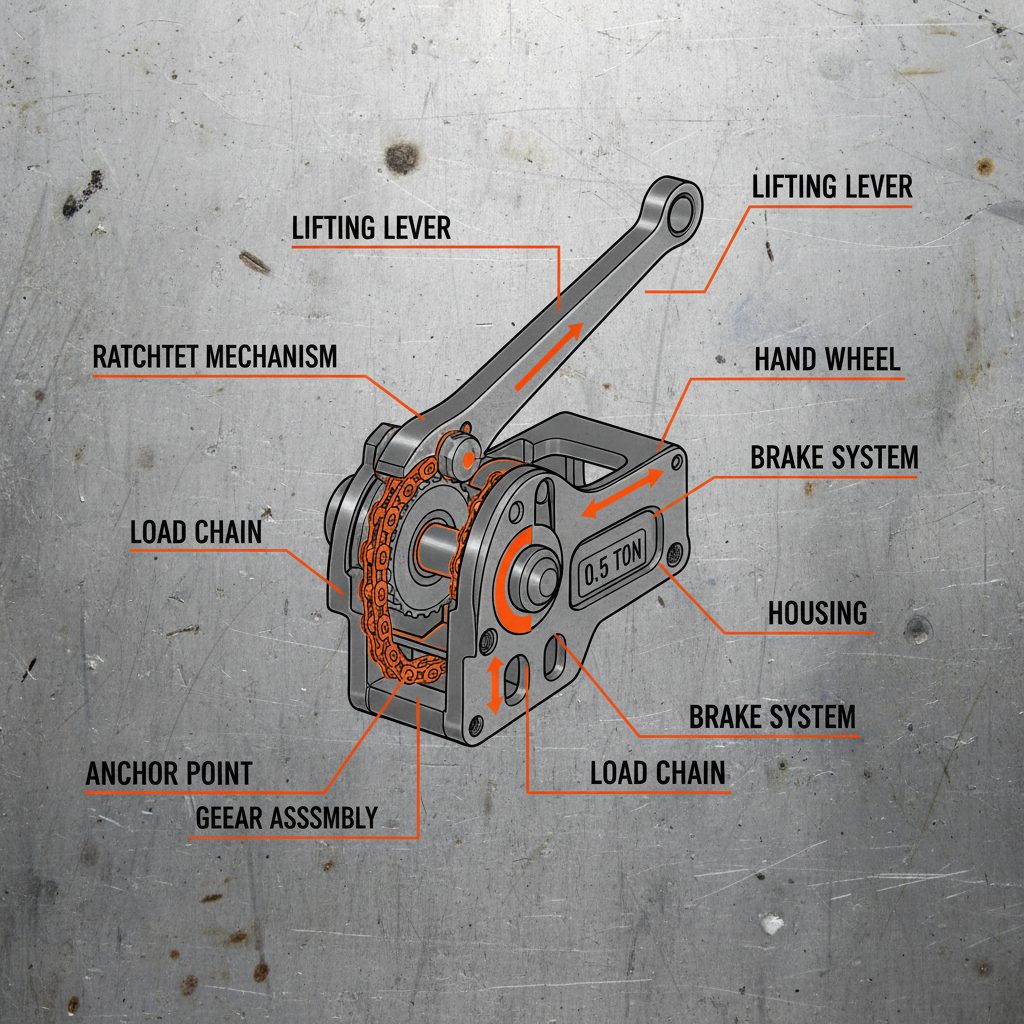
The efficiency of a lever block 0.5 ton lies in its mechanical advantage. Designed for versatility, these units typically feature a high-grade alloy steel chain and a robust housing that protects the internal gearing from dust and debris. The manual lever mechanism allows the operator to move the load with minimal effort while maintaining a high degree of precision. Double-pawl braking systems are common in professional-grade models, ensuring that the load is held securely in place without drifting, which is critical when aligning heavy components. Its compact footprint makes it the go-to choice for technicians who cannot accommodate bulky electric hoists.
Professional Highlight: The use of heat-treated load chains and precision-machined gears significantly reduces wear and tear, extending the service life of the equipment even under frequent duty cycles.
Operational Advantages of the 0.5 Ton Capacity
Why choose a 0.5-ton capacity over larger alternatives? The primary reason is maneuverability. A lever block 0.5 ton is lightweight enough to be carried by a single operator and installed quickly in tight quarters. This capacity is perfectly balanced for tasks like pulling motors into place, tensioning cables, or lifting small crates. Furthermore, the lower capacity allows for a finer "click" adjustment in the gearing, providing the user with a tactile sense of the load's movement, which reduces the risk of over-tensioning or accidental slips during delicate assembly processes.
Comparing Lever Block 0.5 Ton vs. Chain Hoists
While both tools use chains to move loads, the operational logic differs significantly. A standard chain hoist is primarily designed for vertical lifting, whereas a lever block 0.5 ton is a multi-directional tool. The lever mechanism allows for horizontal pulling, which is nearly impossible with a standard hand chain hoist. This makes the lever block essential for "pulling" a load toward a fixed point or stretching a structural beam. Below is a detailed comparison to help you decide which tool fits your specific industrial application.
Technical Specifications for Lever Block 0.5 Ton
When procuring equipment, understanding the technical limits is vital for safety. A standard lever block 0.5 ton is engineered to meet international load-bearing standards. The load chain is typically grade 80 alloy steel, which provides an optimal strength-to-weight ratio. Users should pay close attention to the "working load limit" (WLL) and ensure that the hoist is never used beyond its 500kg rating to avoid mechanical failure. The following table outlines the typical specifications you can expect from a professional unit.
Maintenance Tips for Your Lever Block 0.5 Ton
To ensure the longevity and safety of your lever block 0.5 ton, a strict maintenance schedule is required. The most critical area is the chain; it must be lubricated regularly to prevent friction and corrosion. Inspect the hooks for any sign of opening or deformation, as a bent hook can lead to catastrophic load failure. Additionally, verify that the lever handle locks securely in the "off" position when not in use. Regular load testing and professional certifications every 12 months are highly recommended for industrial environments to remain compliant with OSHA or CE standards.
Best Practices for Safe Operation
Safety starts with correct installation. When using a lever block 0.5 ton, always ensure the hoist is centered directly over the load to prevent "side-loading," which can twist the chain and damage the internal gears. Never use the hoist to pull loads at extreme angles unless the equipment is specifically rated for it. Finally, always communicate clearly with your team; since the lever operator has a limited field of vision, a spotter is essential to ensure the load does not collide with other machinery or personnel during the lift.
Conclusion: Optimizing Efficiency with Bilopowtel
The lever block 0.5 ton is more than just a lifting tool; it is a precision instrument that enhances safety and speed in industrial workflows. By choosing a model with high-grade materials and adhering to strict maintenance and safety protocols, you can ensure a seamless operation for years to come. Whether you are tensioning a structure or lifting a precise component, the 0.5-ton lever hoist provides the reliability you need. Invest in quality, prioritize safety, and experience the difference in your daily operations.
Frequently Asked Questions (FAQs)
Can a lever block 0.5 ton be used for horizontal pulling?
Yes, one of the primary advantages of a lever block is its ability to perform both vertical lifting and horizontal pulling. This makes it an excellent tool for tensioning wires, pulling machinery into alignment, or shifting loads across a workshop floor. However, it is important to ensure that the anchor points are secure and that the pull is as linear as possible to avoid putting undue stress on the chain and hooks.
How often should I lubricate the chain of my lever hoist?
Lubrication frequency depends on the environment. In clean, indoor settings, a quarterly lubrication is usually sufficient. However, in dusty or corrosive environments (such as marine or chemical plants), the chain should be cleaned and lubricated monthly. Using a high-quality industrial lubricant prevents rust and reduces friction, which prevents the chain from stretching over time and maintains the smooth operation of the gear mechanism.
What happens if I exceed the 0.5 ton weight limit?
Exceeding the Working Load Limit (WLL) is extremely dangerous. While most professional hoists have a safety factor (e.g., 4:1), overloading can cause the brake to slip, the chain to snap, or the internal gears to strip. This can lead to the load falling unexpectedly, causing severe injury or equipment damage. Always verify the weight of your load using a scale or technical documentation before attaching it to the lever block 0.5 ton.
How do I know when the hoist needs to be replaced?
You should replace your lever hoist if you notice any of the following: visible cracks or deformation in the hooks, excessive wear or "stretching" of the chain links, the lever handle failing to lock, or the load slipping despite the brake being engaged. If the hoist has been subjected to a severe shock load or a drop, it should be taken out of service immediately and inspected by a certified professional, regardless of whether visible damage is present.
Latest news
Precision Lifting and Pulling with the Lever Block 0.5 Ton Guide
NewsApr.16,2026
Precision Engineering Guide for High Performance Jet Lever
NewsApr.16,2026
Ultimate Guide to Choosing the Professional Industrial hoist lever
NewsApr.16,2026
Industrial Hoist Lever Chain Guide for Heavy Lifting and Rigging
NewsApr.16,2026
Industrial Lever Hoist Guide for Efficient Lifting and Pulling
NewsApr.16,2026
Ultimate Guide to Hand Ratchet Lift for Heavy Industrial Lifting
NewsApr.16,2026
- CONTACT
- ADDRESS: 188, Fengshou Road, Shijiazhuang. China
- EMAlL: info@bilopowtel.com
- PHONE: 0086-311-88862036
- WHATSAPP: 0086-152-26563165


