



Mar . 31, 2026 01:45 Back to list
Comprehensive Guide to Lever Block Chain Hoist Selection and Safe Usage
Lever Block Chain Hoist: A Comprehensive Guide
When it comes to lifting and positioning heavy loads, efficiency and safety are paramount. A lever block chain hoist is a vital piece of equipment for various industries, offering a manual lifting solution that's both reliable and cost-effective. This article delves into the features, benefits, applications, and key considerations when selecting a lever block chain hoist, providing a thorough overview for professionals and anyone involved in lifting operations. Choosing the right hoist can significantly improve productivity and ensure a safe working environment. Bilopowtel offers a wide range of high-quality lever block chain hoists to suit diverse needs.
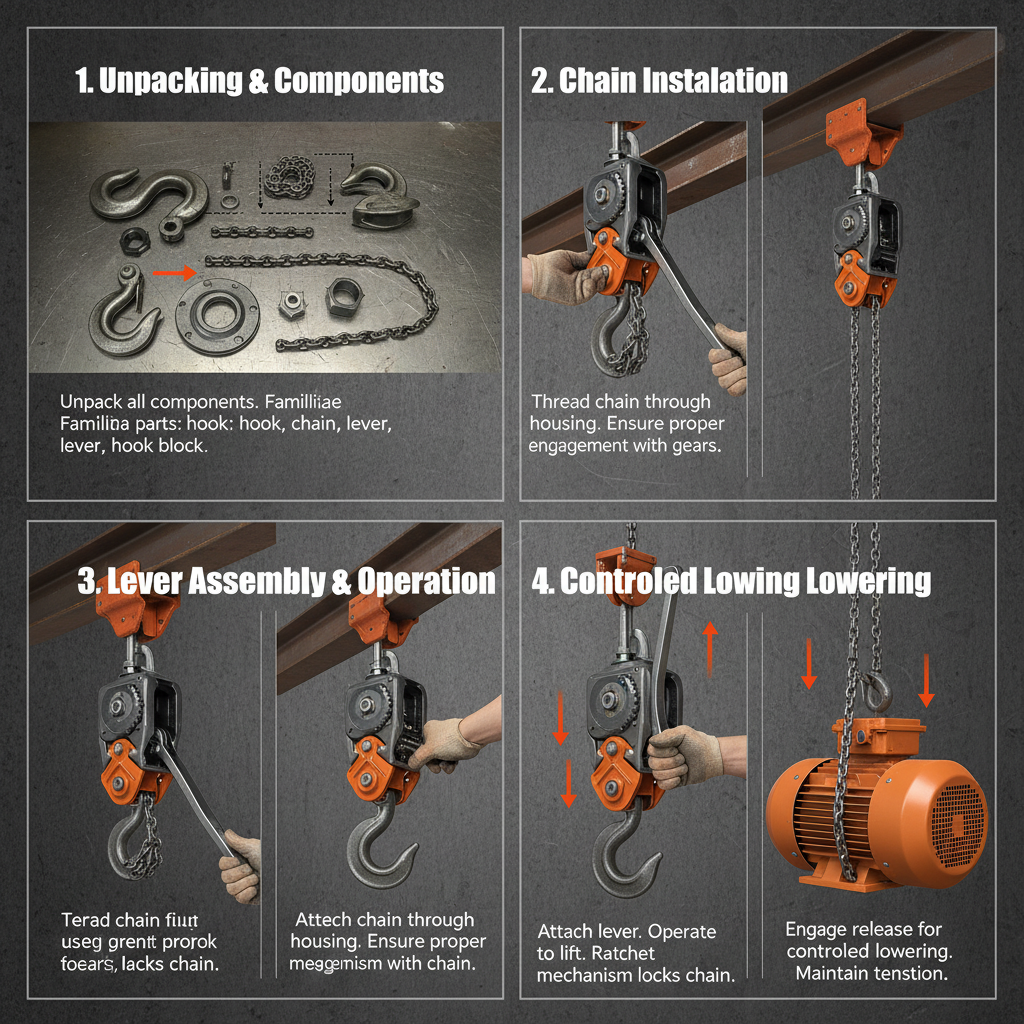
Understanding Lever Block Chain Hoists
A lever block chain hoist is a mechanical device used for lifting or lowering a load using a lever and a chain. The lever multiplies the force applied, allowing users to lift heavy objects with relative ease. These hoists are favored for their portability, ease of use, and lack of reliance on electricity or compressed air, making them ideal for environments where power sources are unavailable or impractical. They are a staple in workshops, construction sites, warehouses, and various industrial settings. The key components include the lever, lifting chain, gears, and a robust hook for secure load attachment.
Key Highlights: Portable, manual lifting solution ideal for environments without power access. Offers precise load control and is known for its reliability and durability.
Lever Block Chain Hoist Applications
The versatility of a lever block chain hoist makes it suitable for a wide array of applications. Commonly used in maintenance and repair operations, these hoists are excellent for lifting engines, machinery, and other heavy components. In construction, they aid in lifting materials and tools to elevated work areas. Warehouses and factories benefit from their use in loading and unloading goods, positioning materials for assembly, and general material handling. They are also frequently used in automotive shops, rigging, and even for smaller-scale lifting tasks in homes and workshops. Bilopowtel provides hoists suited to these diverse applications.
Application Areas:
• Maintenance and Repair
• Construction Sites
• Warehouses and Factories
• Automotive Shops
Choosing the Right Lever Block Chain Hoist: Key Considerations
Selecting the correct lever block chain hoist requires careful consideration of several factors. The most crucial is the lifting capacity, which must exceed the weight of the heaviest load you intend to lift. Consider the chain length required to reach the desired lifting height. The headroom available also plays a role, influencing the type of hoist you can use. Finally, the quality of the materials and construction is paramount for safety and longevity. Look for hoists made with high-grade steel and robust components. Bilopowtel’s hoists are built to the highest standards.
Lever Block Chain Hoist vs. Electric Chain Hoist: A Comparison
While both lever block chain hoists and electric chain hoists serve the purpose of lifting, they differ significantly in operation and application. Electric chain hoists offer faster lifting speeds and require less manual effort but depend on a power source. Lever block chain hoists, on the other hand, are manually operated, offering greater control and portability without the need for electricity. The choice depends on the frequency of use, the weight of the loads, and the availability of power. For occasional use and situations where portability is key, a lever block is often the preferred choice. Here’s a quick comparison:
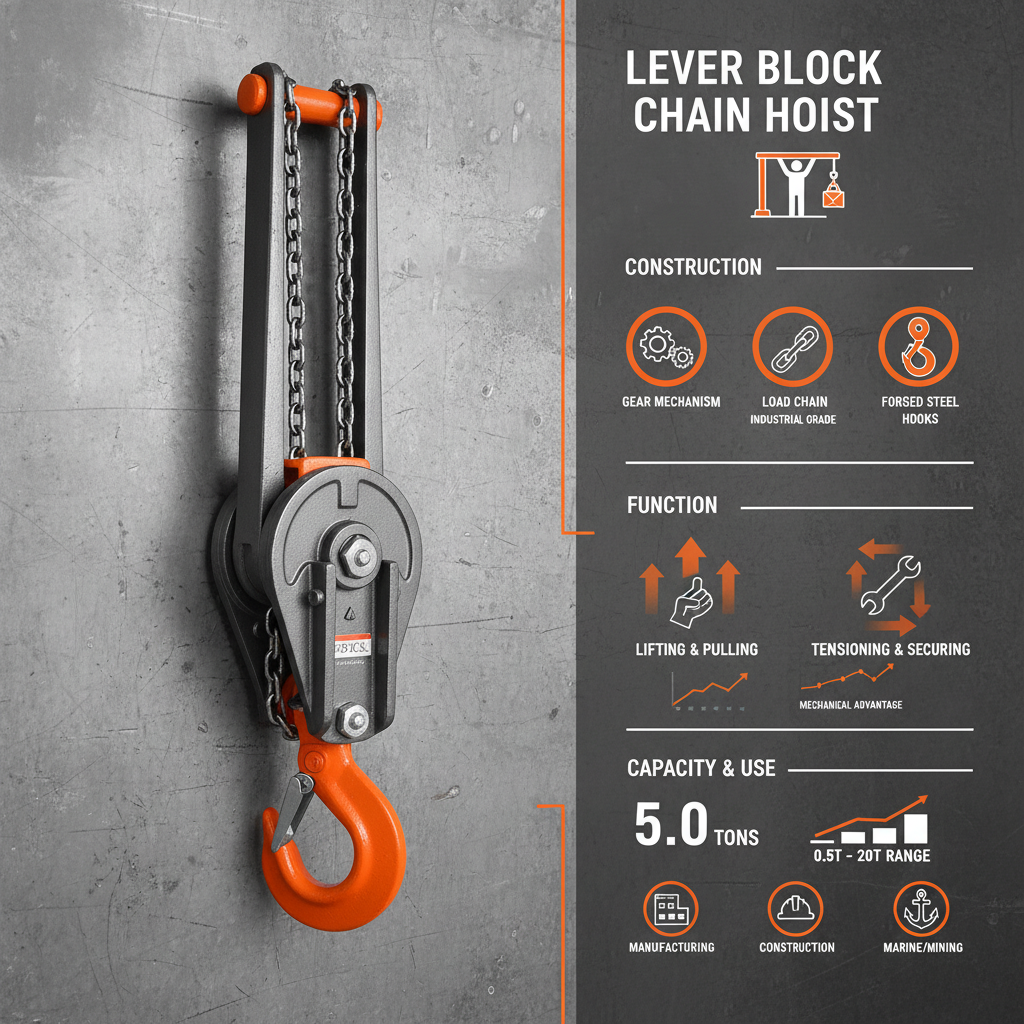
Safety Precautions When Using a Lever Block Chain Hoist
Safety is paramount when operating a lever block chain hoist. Always inspect the hoist and chain for any signs of damage before each use. Ensure the load is securely attached to the hook with appropriate slings or shackles. Never exceed the hoist’s rated lifting capacity. Avoid shock loading and ensure the lifting chain is not twisted or kinked. Wear appropriate personal protective equipment (PPE), including gloves and safety glasses. Finally, never position yourself under a suspended load. Bilopowtel provides detailed safety guidelines with each hoist.
Conclusion: Investing in a Reliable Lever Block Chain Hoist
A lever block chain hoist is an invaluable tool for a wide range of lifting applications. By understanding its capabilities, selecting the right model, and adhering to safety precautions, you can ensure efficient and safe operations. Bilopowtel is your trusted partner for high-quality hoists and lifting solutions.
Frequently Asked Questions (FAQs)
What is the typical lifespan of a lever block chain hoist?
The lifespan of a lever block chain hoist depends heavily on usage, maintenance, and the load it's subjected to. With regular inspection and proper lubrication, a well-maintained hoist can last for many years. However, factors like corrosion, overloading, and physical damage can significantly reduce its lifespan. It's recommended to have a qualified technician inspect the hoist annually and replace any worn or damaged components promptly. Generally, a lifespan of 5-10 years is realistic with proper care.
How do I properly maintain a lever block chain hoist?
Regular maintenance is crucial for ensuring the longevity and safe operation of your hoist. Key maintenance tasks include: regularly lubricating the moving parts, inspecting the chain for wear, damage, or corrosion, checking the hook for cracks or deformation, and ensuring all fasteners are tight. Clean the hoist regularly to remove dirt and debris. Store the hoist in a dry environment to prevent rust. Refer to the manufacturer’s manual for specific maintenance recommendations.
What safety features should I look for in a lever block chain hoist?
Essential safety features include a robust safety latch on the hook to prevent accidental load slippage, a hardened chain to resist wear and tear, and a durable frame to withstand heavy loads. Look for hoists that meet relevant safety standards (e.g., EN standards). Ensure the hoist has clear load capacity markings and a smooth, controlled lifting action. Properly designed braking mechanisms are also critical for preventing runaway loads. Bilopowtel’s hoists are designed with these features in mind.
Can a lever block chain hoist be used outdoors?
While lever block chain hoists can be used outdoors, it’s important to consider environmental factors. Exposure to rain, humidity, and extreme temperatures can accelerate wear and corrosion. If used outdoors regularly, opt for a hoist with corrosion-resistant coatings or materials. Always ensure the hoist is properly lubricated and protected from the elements when not in use. Avoid using the hoist in wet conditions whenever possible.
Latest news
Precision Lifting and Pulling with the Lever Block 0.5 Ton Guide
NewsApr.16,2026
Precision Engineering Guide for High Performance Jet Lever
NewsApr.16,2026
Ultimate Guide to Choosing the Professional Industrial hoist lever
NewsApr.16,2026
Industrial Hoist Lever Chain Guide for Heavy Lifting and Rigging
NewsApr.16,2026
Industrial Lever Hoist Guide for Efficient Lifting and Pulling
NewsApr.16,2026
Ultimate Guide to Hand Ratchet Lift for Heavy Industrial Lifting
NewsApr.16,2026
- CONTACT
- ADDRESS: 188, Fengshou Road, Shijiazhuang. China
- EMAlL: info@bilopowtel.com
- PHONE: 0086-311-88862036
- WHATSAPP: 0086-152-26563165


