



Apr . 04, 2026 01:45 Back to list
Comprehensive Guide to Utilizing a 9 Ton Lever Hoist for Heavy Lifting Applications
Understanding the Power of a 9 Ton Lever Hoist
When it comes to lifting heavy loads in industrial and construction settings, a reliable and efficient lifting solution is crucial. A 9 ton lever hoist provides a powerful and versatile tool for a wide range of applications. This article will delve into the features, benefits, safety considerations, and applications of 9 ton lever hoists, offering a comprehensive guide for professionals and businesses. Investing in the right lifting equipment can significantly improve efficiency, safety, and overall productivity.
What is a 9 Ton Lever Hoist and How Does it Work?
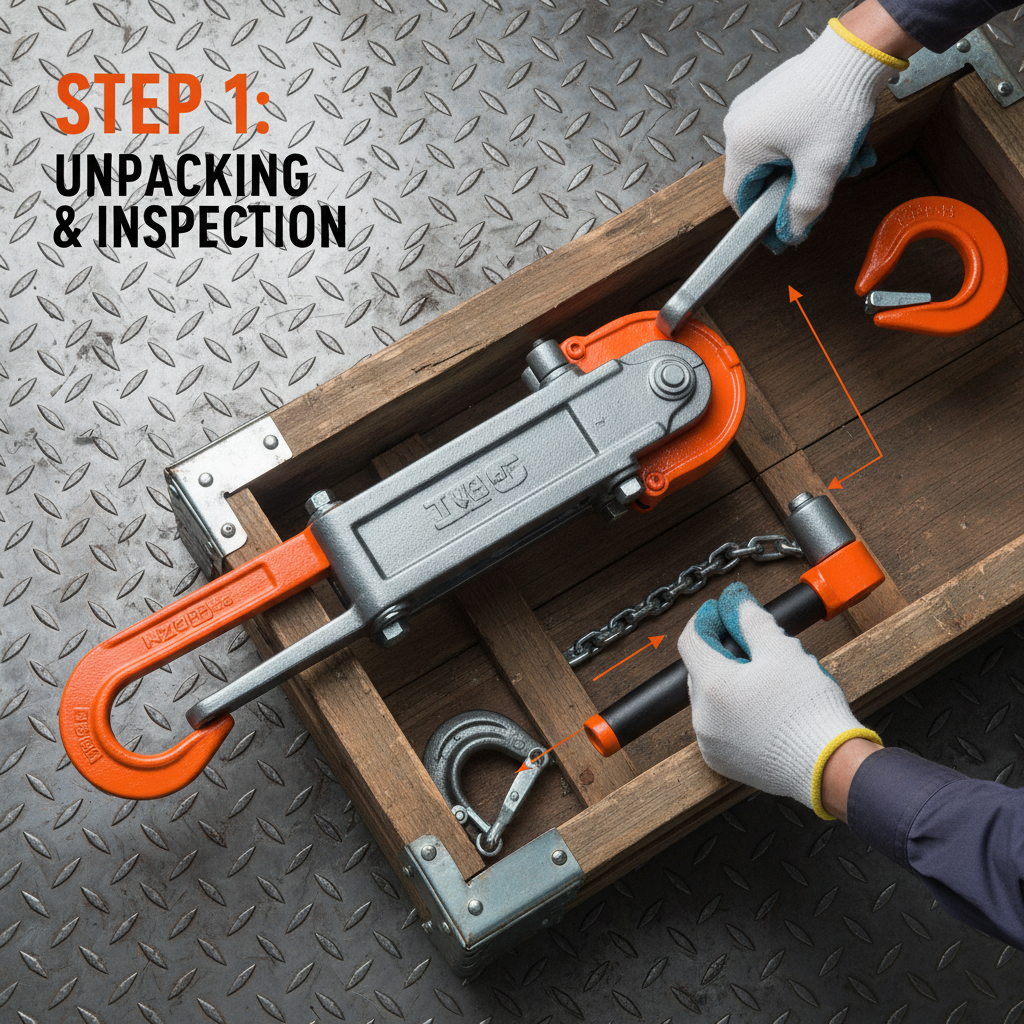
A 9 ton lever hoist, also known as a ratchet lever hoist, is a mechanical lifting device that uses a lever and ratchet system to lift or lower heavy loads. It's a popular choice because it requires minimal effort to operate, is portable, and doesn’t require electricity or compressed air. The lever action multiplies the force applied, allowing operators to lift substantial weights with relative ease. These hoists are commonly used in situations where a crane or other powered lifting equipment isn't practical or available. They are designed for intermittent lifting and positioning of loads, making them ideal for a variety of industrial tasks. Bilopowtel's range of lever hoists offers both standard and customized solutions to suit diverse needs.
Key Benefits of Using a 9 Ton Lever Hoist
Lever hoists offer numerous advantages for lifting and moving heavy objects. Firstly, they're incredibly versatile, capable of being used in a wide range of environments and applications. Their portability allows for easy transport and setup, making them ideal for both temporary and permanent installations. They're also relatively low-maintenance compared to powered lifting equipment. Crucially, they provide a high level of control, enabling precise positioning of the load. Furthermore, the manual operation offers safety advantages in situations where electrical hazards are a concern. Investing in a quality 9 ton lever hoist from a reputable supplier is a smart decision for any operation dealing with heavy lifting.
Key Highlights: Versatile, portable, low-maintenance, high control, and safe operation.
Applications of a 9 Ton Lever Hoist: Where They Excel
9 Ton lever hoists are widely used across various industries. In construction, they’re essential for lifting building materials, machinery, and pre-fabricated components. Manufacturing facilities utilize them for moving heavy equipment, molds, and finished products. Warehouses and logistics companies rely on them for loading and unloading trucks and organizing inventory. Shipyards employ them for lifting and positioning parts during ship maintenance and repair. The automotive industry also uses these hoists for engine and transmission assembly. They are even valuable for maintenance and repair tasks in power plants and other industrial facilities. Bilopowtel caters to these diverse industries with robust and reliable lever hoist solutions.
Common Application Areas:
• Construction & Infrastructure
• Manufacturing & Production
• Warehousing & Logistics
• Automotive Industry
9 Ton Lever Hoist Specifications and Comparison
Understanding the technical specifications of a 9 ton lever hoist is vital for ensuring it meets your specific lifting requirements. Here’s a table outlining typical specifications and comparing different hoist types:
Safety Considerations When Using a 9 Ton Lever Hoist
Safety is paramount when operating a lever hoist. Always inspect the hoist for any signs of damage before each use, including the chain, hook, and lifting mechanism. Ensure the load is properly secured and balanced before lifting. Never exceed the rated capacity of the hoist. Avoid shock loading, which can damage the hoist and create a dangerous situation. Keep hands and feet clear of the load path during operation. Regular maintenance, including lubrication, is essential for ensuring optimal performance and longevity. Bilopowtel provides detailed safety guidelines and maintenance recommendations with all its lever hoist products.
Conclusion: Choose the Right 9 Ton Lever Hoist for Your Needs
Selecting the right 9 ton lever hoist is a critical decision for any operation involving heavy lifting. Consider the specific application, lifting requirements, and safety standards. Investing in a high-quality hoist from a trusted supplier like Bilopowtel ensures reliability, durability, and peace of mind. Prioritize safety, adhere to proper operating procedures, and maintain the hoist regularly to maximize its lifespan and performance.
Frequently Asked Questions (FAQs)
What is the safe working load (SWL) of a 9 ton lever hoist?
The Safe Working Load (SWL) of a 9 ton lever hoist is 9,000 kg or 9 metric tons. However, it's crucial to remember that this is the maximum load the hoist should lift under ideal conditions. Factors like the angle of lift, the condition of the chain, and the type of slings used can affect the effective SWL. Always consult the hoist's documentation and follow proper lifting procedures to ensure safe operation. Never exceed the stated SWL.
What type of maintenance is required for a 9 ton lever hoist?
Regular maintenance is key to a long and reliable service life. This includes lubricating the moving parts (chain, gears, and pivot points) with appropriate oil or grease. Inspect the chain for wear, damage, and corrosion. Check the hook for cracks or deformation. Examine the lifting mechanism for smooth operation. Store the hoist in a dry, clean environment. Bilopowtel provides detailed maintenance guides with each hoist. It’s recommended to have the hoist professionally inspected annually.
Can a 9 ton lever hoist be used outdoors?
Yes, but with caution. While lever hoists are relatively durable, prolonged exposure to the elements can cause corrosion and damage. If used outdoors, select a hoist with corrosion-resistant components. Protect the hoist from rain, sunlight, and extreme temperatures whenever possible. Regularly inspect for signs of corrosion and apply protective coatings as needed. Consider using a cover to shield the hoist from the elements when not in use.
What is the difference between a lever hoist and a chain hoist?
While often used interchangeably, there’s a subtle difference. A lever hoist is a type of chain hoist. Chain hoists encompass all devices that use a chain to lift loads, including electric chain hoists and manual chain hoists. A lever hoist specifically uses a lever and ratchet system for manual operation, offering precise control. Electric chain hoists are powered and offer faster lifting speeds. Lever hoists are favored for their portability and lack of power requirement.
Latest news
Precision Lifting and Pulling with the Lever Block 0.5 Ton Guide
NewsApr.16,2026
Precision Engineering Guide for High Performance Jet Lever
NewsApr.16,2026
Ultimate Guide to Choosing the Professional Industrial hoist lever
NewsApr.16,2026
Industrial Hoist Lever Chain Guide for Heavy Lifting and Rigging
NewsApr.16,2026
Industrial Lever Hoist Guide for Efficient Lifting and Pulling
NewsApr.16,2026
Ultimate Guide to Hand Ratchet Lift for Heavy Industrial Lifting
NewsApr.16,2026
- CONTACT
- ADDRESS: 188, Fengshou Road, Shijiazhuang. China
- EMAlL: info@bilopowtel.com
- PHONE: 0086-311-88862036
- WHATSAPP: 0086-152-26563165


