



Mar . 08, 2026 01:45 Back to list
Comprehensive Guide to Clamp Grounding Rods for Electrical System Safety
Understanding Clamp Grounding Rods: A Comprehensive Guide
Ensuring a robust and safe electrical grounding system is paramount in any installation, particularly for telecom towers, substations, and renewable energy projects. A critical component of this system is the clamp grounding rod. This article provides an in-depth look at these essential tools, covering their function, types, installation, and best practices for maximizing their effectiveness. We'll explore how choosing the right grounding rod and clamp can significantly improve system reliability and safety. Effective grounding is not just a compliance issue; it’s a vital investment in long-term operational integrity.
What is a Clamp Grounding Rod and Why is it Important?
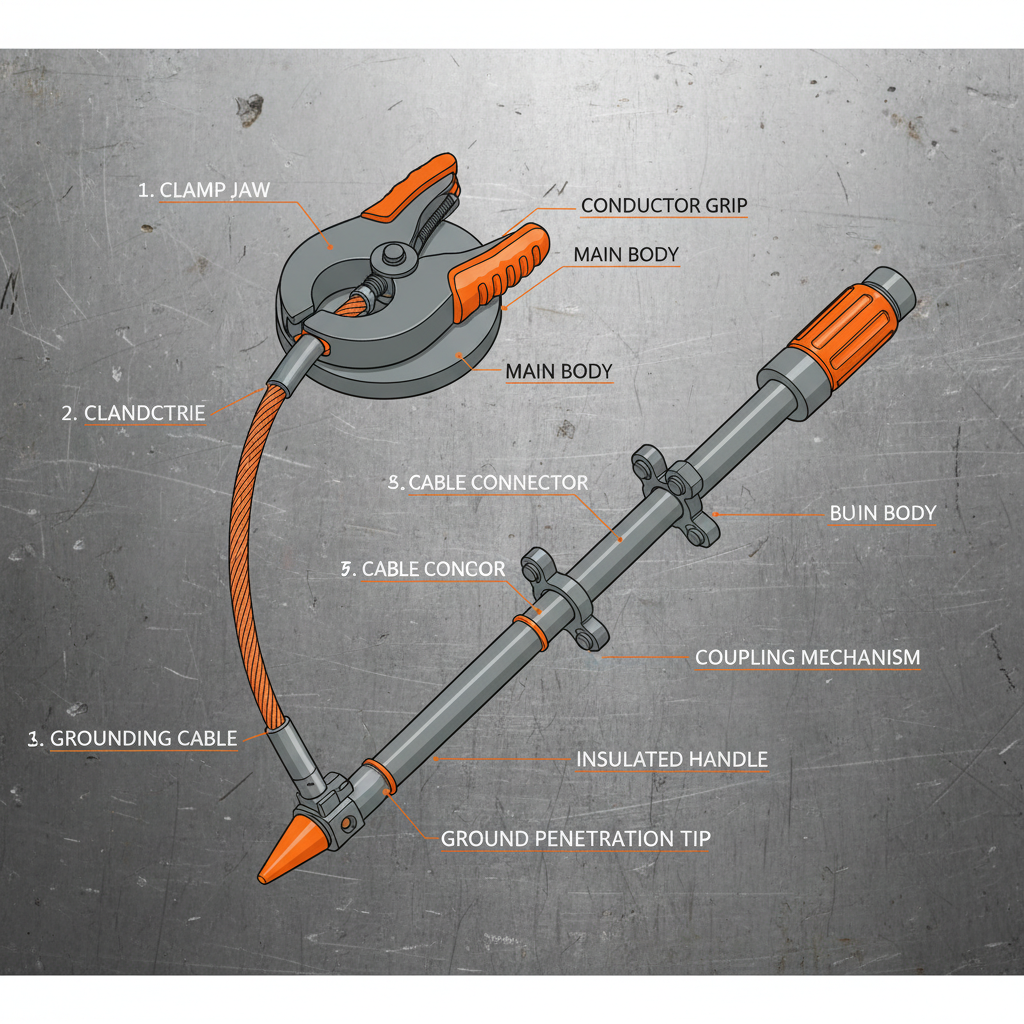
A clamp grounding rod is a conductive rod, typically made of copper-clad steel or galvanized steel, driven into the earth to establish a low-resistance path for electrical current to flow. The 'clamp' refers to the connector used to attach the grounding conductor (wire) to the rod. This connection is vital, as it ensures effective dissipation of fault currents, protecting equipment and personnel from electrical shock and damage. Without proper grounding, electrical surges and faults can lead to equipment failure, fires, and potentially life-threatening situations. The grounding rod provides a direct path to the earth, minimizing impedance and enabling protective devices, like circuit breakers, to operate correctly.
Key Benefits: Providing a safe path for fault currents, protecting equipment from damage, minimizing electrical hazards, and ensuring reliable system operation.
Types of Clamp Grounding Rods
Grounding rods come in various types, each suited for different soil conditions and applications. Common types include:
- Copper-Clad Steel Rods: Offer a good balance of conductivity and strength, making them suitable for a wide range of applications.
- Galvanized Steel Rods: More affordable than copper-clad steel, providing corrosion resistance for general-purpose grounding.
- Solid Copper Rods: Provide the highest conductivity but are more expensive and less mechanically strong.
- Helical Grounding Rods: Screw-like designs that offer excellent holding power in difficult soil conditions.
The choice of rod material depends on factors such as soil resistivity, budget, and required lifespan. Bilopowtel offers a comprehensive range of grounding rods to meet diverse needs.
Key Considerations for Rod Selection:
• Soil resistivity: High resistivity requires longer or multiple grounding rods.
• Corrosion potential: Choose materials resistant to soil corrosion.
• Mechanical strength: Consider the potential for soil movement or external forces.
Choosing the Right Clamp for Your Grounding Rod
The clamp is just as crucial as the rod itself. A poorly connected clamp can significantly increase resistance and compromise the grounding system’s effectiveness. Different clamp types are available, including:
- Side-Mount Clamps: Attach to the side of the rod, often preferred for ease of installation.
- Top-Mount Clamps: Attach to the top of the rod, providing a more secure connection but potentially requiring more space.
- Split-Bolt Clamps: Allow for easy attachment of grounding conductors without disconnecting existing connections.
Selecting a clamp compatible with the rod material and conductor size is essential. Look for clamps made of corrosion-resistant materials like bronze or stainless steel. A tight, secure connection is paramount – regularly inspect clamps for corrosion or loosening.
Clamp Grounding Rod Installation Best Practices
Proper installation is vital for ensuring the grounding system functions correctly. Here are some best practices:
- Depth: Drive the rod to a sufficient depth (typically 8 feet or more) to reach stable, moist soil.
- Spacing: Maintain adequate spacing between multiple grounding rods (typically 6-8 feet) to avoid interference.
- Connection: Ensure a tight, corrosion-resistant connection between the clamp and the grounding conductor.
- Inspection: Regularly inspect the grounding system for corrosion, damage, or loosening of connections.
- Soil Condition: Backfill around the rod with a conductive material like bentonite clay if the soil is particularly dry or rocky.
Consult local electrical codes and regulations for specific installation requirements. Bilopowtel provides detailed installation guides and support to ensure proper implementation.
Conclusion: Investing in Reliable Grounding
A properly installed clamp grounding rod system is a cornerstone of electrical safety and system reliability. Choosing the right rod, clamp, and employing best practices during installation are crucial for maximizing its effectiveness. At Bilopowtel, we provide high-quality grounding solutions and expert support to help you protect your valuable assets and ensure a safe operating environment. Don’t compromise on grounding – it’s a small investment that yields significant returns in safety and peace of mind.
Frequently Asked Questions (FAQs)
How do I determine the number of grounding rods I need?
Determining the number of grounding rods required depends on the soil resistivity and the size of the area to be grounded. Soil resistivity measurements can be taken using specialized equipment. Generally, lower resistivity soils require fewer rods, while higher resistivity soils require more. A common rule of thumb is to maintain a ground resistance of 5 ohms or less. Multiple rods should be spaced at least 6-8 feet apart and interconnected with a grounding conductor. For large areas or complex systems, a professional grounding study is recommended to ensure optimal protection. Resources from Bilopowtel can provide guidance on calculating grounding requirements.
What is the best way to prevent corrosion of grounding rods and clamps?
Corrosion can significantly degrade the effectiveness of a grounding system. To prevent corrosion, choose grounding rods and clamps made of corrosion-resistant materials like copper-clad steel, bronze, or stainless steel. In highly corrosive environments, consider using sacrificial anodes to protect the grounding system. Regularly inspect the system for signs of corrosion and replace any corroded components promptly. Applying a corrosion-inhibiting coating to the rod and clamp can also provide additional protection. Proper backfilling with a conductive material like bentonite clay can also help reduce corrosion.
Are there specific regulations regarding grounding rod installation?
Yes, grounding rod installation is subject to various regulations and standards, including the National Electrical Code (NEC) in the United States and equivalent standards in other countries. These regulations specify requirements for rod depth, spacing, grounding conductor size, and connection methods. It’s essential to consult local electrical codes and obtain any necessary permits before installing a grounding system. A qualified electrician should perform the installation to ensure compliance and safety. Resources and compliant products are available through Bilopowtel to simplify the process.
Latest news
Precision Lifting and Pulling with the Lever Block 0.5 Ton Guide
NewsApr.16,2026
Precision Engineering Guide for High Performance Jet Lever
NewsApr.16,2026
Ultimate Guide to Choosing the Professional Industrial hoist lever
NewsApr.16,2026
Industrial Hoist Lever Chain Guide for Heavy Lifting and Rigging
NewsApr.16,2026
Industrial Lever Hoist Guide for Efficient Lifting and Pulling
NewsApr.16,2026
Ultimate Guide to Hand Ratchet Lift for Heavy Industrial Lifting
NewsApr.16,2026
- CONTACT
- ADDRESS: 188, Fengshou Road, Shijiazhuang. China
- EMAlL: info@bilopowtel.com
- PHONE: 0086-311-88862036
- WHATSAPP: 0086-152-26563165


