



Apr . 07, 2026 01:45 Back to list
Comprehensive Guide to Lever Hoist Chain Selection and Safety Procedures
Lever Hoist Chain: A Comprehensive Guide
When it comes to lifting and moving heavy loads, a reliable lever hoist chain is essential. This article will provide a detailed overview of lever hoist chains, covering their types, applications, safety considerations, and how to choose the right chain for your needs. Understanding the intricacies of lever hoist chains is crucial for ensuring safe and efficient lifting operations in various industries. We’ll explore the key factors to consider when selecting and maintaining these critical components.
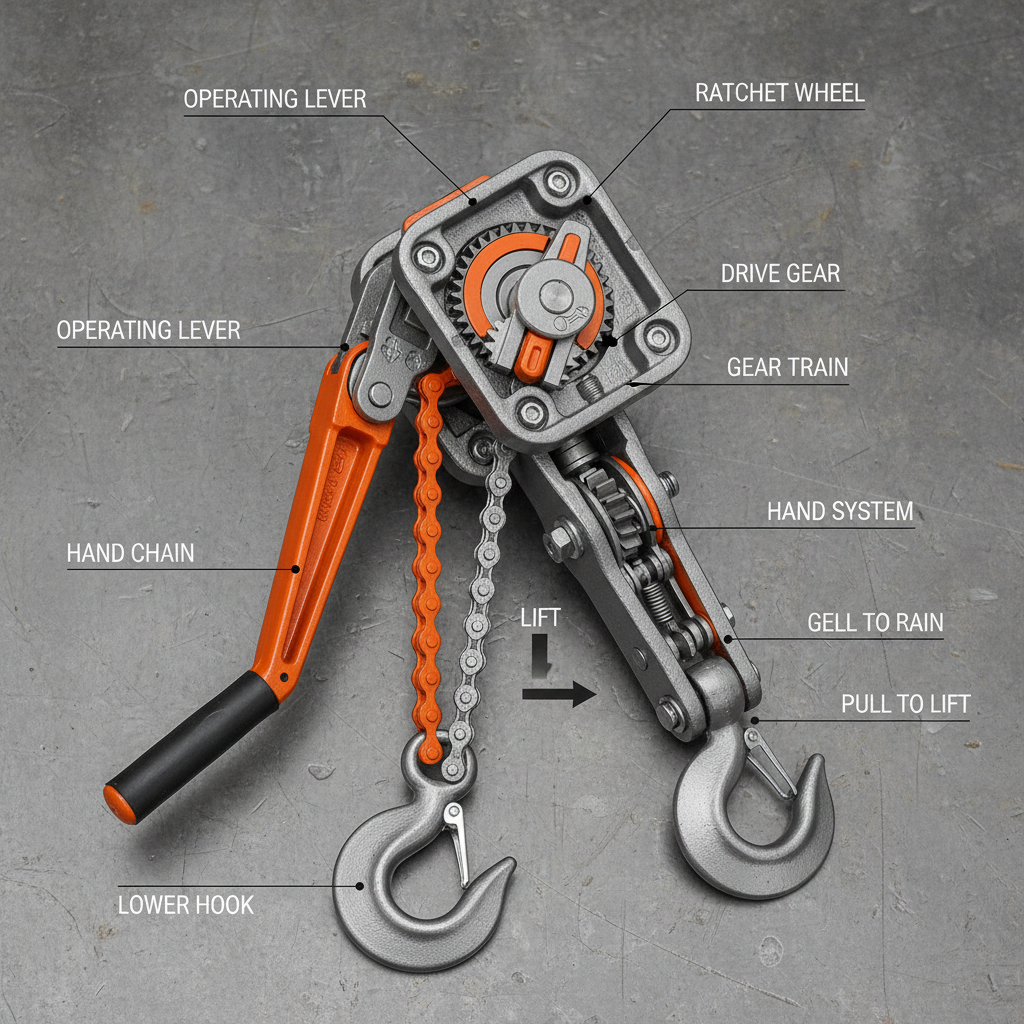
Understanding Lever Hoist Chains
A lever hoist chain is a crucial component of a lever hoist, responsible for transmitting the lifting force from the lever mechanism to the load. It’s typically made of high-strength alloy steel and designed to withstand significant tension. The chain’s quality directly impacts the safety and efficiency of the lifting operation. Different types of chains exist, each suited for specific applications and load capacities. Choosing the correct chain grade and ensuring regular inspection are paramount for preventing accidents and maximizing the lifespan of the hoist. A well-maintained lever hoist chain is a cornerstone of a safe lifting system.
Key Highlights: Lever hoist chains are typically made of high-strength alloy steel and designed to withstand significant tension. Different types of chains exist, each suited for specific applications.
Types of Lever Hoist Chains
Several types of lever hoist chains are available, each offering different strengths and features. The most common types include Grade 80, Grade 100, and Grade 120 chains. Grade 80 chains are commonly used for general-purpose lifting applications, while Grade 100 chains offer higher strength and are suitable for more demanding tasks. Grade 120 chains provide the highest strength and are often used in critical lifting operations where safety is paramount. The choice of chain grade depends on the load capacity required and the working environment. Understanding these differences is vital for selecting the most appropriate lever hoist chain.
Chain Grade Comparison:
• Grade 80: General purpose lifting.
• Grade 100: Higher strength, demanding tasks.
• Grade 120: Highest strength, critical operations.
Lever Hoist Chain Specifications
Chain specifications are critical for determining its suitability for a particular application. Key specifications include the chain’s working load limit (WLL), breaking strength, and chain diameter. The WLL is the maximum load that the chain can safely lift, while the breaking strength is the load at which the chain will fail. The chain diameter affects its strength and durability. It is essential to select a chain with a WLL that exceeds the weight of the load being lifted and to ensure that the chain is regularly inspected for wear and damage. Choosing the right lever hoist chain depends on meticulous attention to these details.
Safety Considerations When Using Lever Hoist Chains
Safety is paramount when using lever hoist chains. Regular inspections are crucial to identify any signs of wear, damage, or corrosion. Never exceed the chain’s WLL, and always ensure that the load is properly secured. Avoid shock loading, as this can significantly reduce the chain’s lifespan. Furthermore, ensure that the chain is properly lubricated to reduce friction and wear. Following these safety guidelines will help prevent accidents and ensure a safe working environment. Bilopowtel prioritizes safety and provides high-quality chains and related lifting equipment.
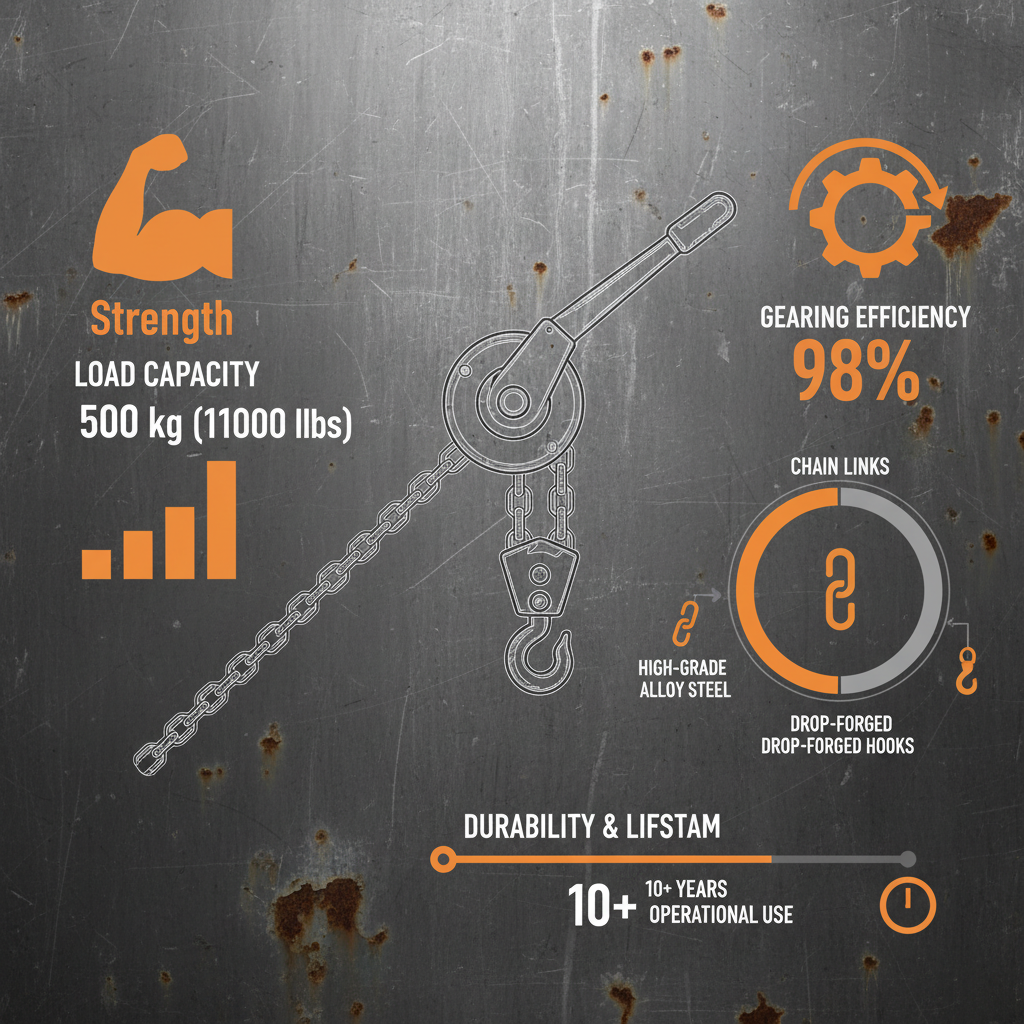
Choosing the Right Lever Hoist Chain
Selecting the right lever hoist chain involves considering several factors, including the load weight, the lifting height, the working environment, and the frequency of use. It's essential to choose a chain with a WLL that exceeds the maximum load weight. Consider the environmental conditions – if the chain will be exposed to corrosive substances, choose a chain made of corrosion-resistant materials. Finally, factor in the frequency of use – for heavy-duty applications, a higher-grade chain may be necessary. Bilopowtel offers expert advice and a wide range of lever hoist chains to meet your specific needs.
Conclusion: Ensuring Safety and Efficiency with the Right Lever Hoist Chain
Investing in a high-quality lever hoist chain is crucial for ensuring safe and efficient lifting operations. Understanding the different types, specifications, and safety considerations will help you make the right choice for your specific application. Prioritizing safety and regular maintenance will extend the lifespan of the chain and prevent accidents. Choose Bilopowtel for reliable, durable, and safe lifting solutions.
Frequently Asked Questions (FAQs)
How often should I inspect my lever hoist chain?
You should inspect your lever hoist chain before each use, as well as conduct regular thorough inspections at least every six months. These inspections should include a visual check for wear, damage, corrosion, or deformation. Pay close attention to the chain links, hooks, and any connecting hardware. If you notice any signs of damage, immediately remove the chain from service and replace it. Following a consistent inspection schedule will ensure the ongoing safety of your lifting operations. Refer to the manufacturer's recommendations for specific inspection guidelines.
What is the best way to lubricate a lever hoist chain?
Lubrication is critical for reducing friction and wear on your lever hoist chain. Use a high-quality chain lubricant specifically designed for lifting applications. Apply the lubricant to all chain links, ensuring that it penetrates the rollers and pins. Avoid using excessive lubricant, as this can attract dirt and debris. After lubricating, wipe off any excess lubricant. Regular lubrication will significantly extend the lifespan of your chain and ensure smooth operation. Consider the environmental conditions when selecting a lubricant.
What should I do if I find a damaged link in the chain?
If you find a damaged link in the chain, immediately remove the entire chain from service. Do not attempt to repair a damaged chain link, as this can compromise its strength and safety. Replace the entire chain with a new one that meets the required specifications. Using a damaged chain link can lead to catastrophic failure and serious injury. Always prioritize safety and replace damaged components promptly. Bilopowtel offers a wide selection of replacement chains.
What is the importance of using the correct grade of chain?
Using the correct grade of chain is crucial for ensuring the safety and reliability of your lifting operations. Each chain grade has a specific working load limit (WLL) and breaking strength. Using a chain with an insufficient WLL for the load being lifted can lead to chain failure and potential injury. Always select a chain grade that exceeds the maximum load weight and is appropriate for the specific application. Refer to the chain’s markings and manufacturer’s specifications to confirm the correct grade.
Latest news
Precision Lifting and Pulling with the Lever Block 0.5 Ton Guide
NewsApr.16,2026
Precision Engineering Guide for High Performance Jet Lever
NewsApr.16,2026
Ultimate Guide to Choosing the Professional Industrial hoist lever
NewsApr.16,2026
Industrial Hoist Lever Chain Guide for Heavy Lifting and Rigging
NewsApr.16,2026
Industrial Lever Hoist Guide for Efficient Lifting and Pulling
NewsApr.16,2026
Ultimate Guide to Hand Ratchet Lift for Heavy Industrial Lifting
NewsApr.16,2026
- CONTACT
- ADDRESS: 188, Fengshou Road, Shijiazhuang. China
- EMAlL: info@bilopowtel.com
- PHONE: 0086-311-88862036
- WHATSAPP: 0086-152-26563165


