



Mar . 10, 2026 01:45 Back to list
Comprehensive Guide to Electric Meter Grounding Rods for Enhanced Safety
Understanding Electric Meter Grounding Rods: A Comprehensive Guide
Ensuring a safe and reliable electrical system requires meticulous attention to detail, and a crucial component often overlooked is the electric meter grounding rod. This simple yet vital piece of equipment provides a path for stray electrical currents to safely dissipate into the earth, preventing potential hazards and protecting both property and people. This article will explore the importance of grounding rods, the types available, installation best practices, and how to choose the right one for your needs. Proper grounding is not just a matter of compliance; it's a cornerstone of electrical safety.
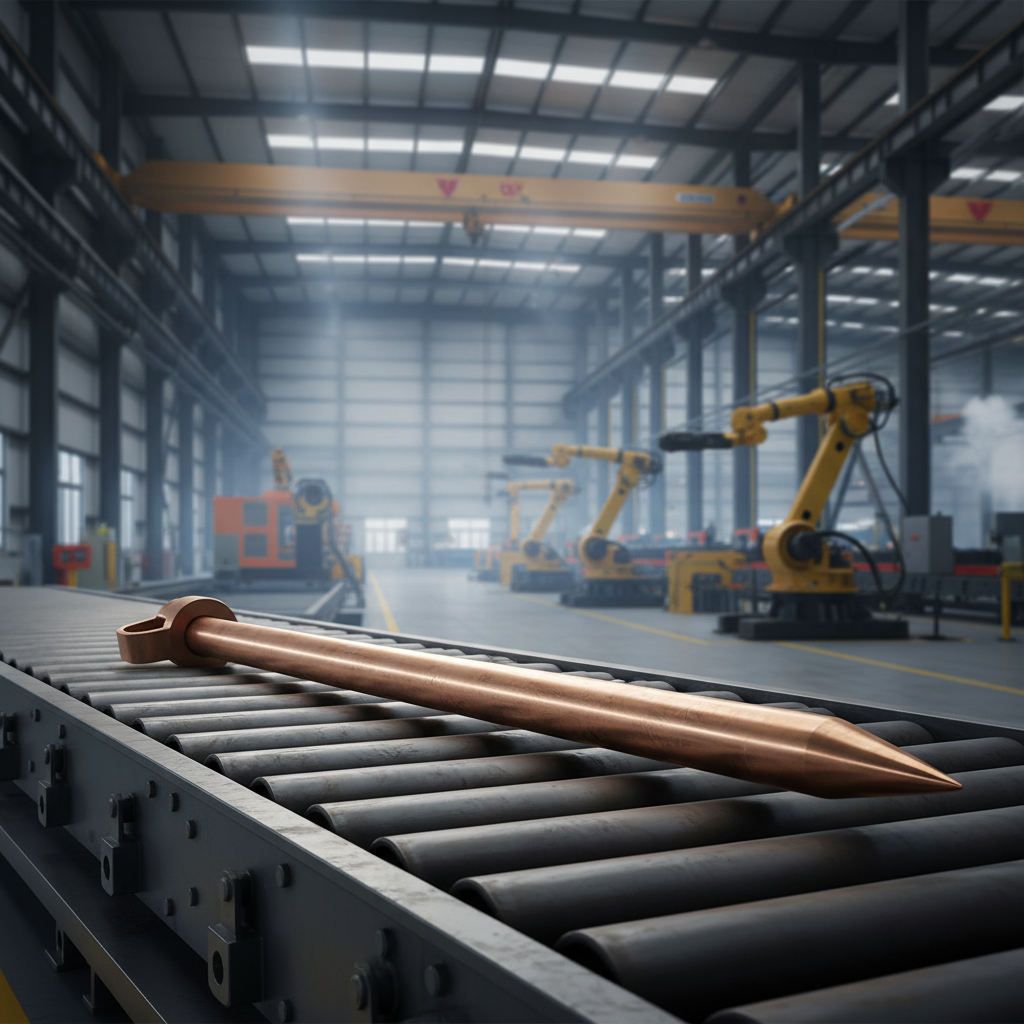
Why is an Electric Meter Grounding Rod Important?
The primary function of an electric meter grounding rod is to provide a low-resistance path to the earth for fault currents. These currents can arise from a variety of sources, including lightning strikes, power surges, or insulation failures within the electrical system. Without a proper ground, these currents can build up, creating dangerous voltage levels that pose a risk of electric shock, fire, and damage to sensitive electronic equipment. A grounding rod effectively diverts these currents, minimizing the risk and ensuring the safety of the electrical infrastructure. It’s a critical safeguard for homes, businesses, and industrial facilities alike. A correctly installed grounding rod also helps stabilize voltage levels, improving the performance and longevity of electrical devices.
Key Benefits: Provides a safe path for fault currents, Prevents electric shock & fire hazards, Protects electrical equipment, Stabilizes voltage levels.
Types of Electric Meter Grounding Rods
Grounding rods come in various materials and configurations, each with its own advantages and disadvantages. The most common types include:
- Copper Grounding Rods: Highly conductive, corrosion-resistant, and generally more expensive.
- Galvanized Steel Grounding Rods: More affordable than copper but offer good conductivity and durability. They are prone to corrosion over time, especially in acidic soils.
- Stainless Steel Grounding Rods: Excellent corrosion resistance and conductivity, making them ideal for harsh environments, but they are the most expensive option.
- Ground Rods with Clamps: These rods come pre-equipped with clamps for connecting grounding wires, simplifying installation.
Choosing the Right Grounding Rod: Factors to Consider
Selecting the appropriate grounding rod requires careful consideration of several factors. Soil conductivity plays a major role; areas with rocky or sandy soil will require longer or more rods to achieve the necessary low resistance. Local electrical codes and regulations also dictate specific requirements for grounding systems. The size and type of electrical service will influence the necessary rod diameter and length. Furthermore, the environment should be considered – areas with corrosive soil require more durable materials like stainless steel. BiloPowTel offers expert guidance to help you determine the best grounding rod for your specific application.
Grounding Rod Selection Criteria:
• Soil Conductivity
• Local Electrical Codes
• Electrical Service Size
• Environmental Conditions
Electric Meter Grounding Rod: Material Comparison
Here's a comparative overview of the common grounding rod materials:
Installation Best Practices for Grounding Rods
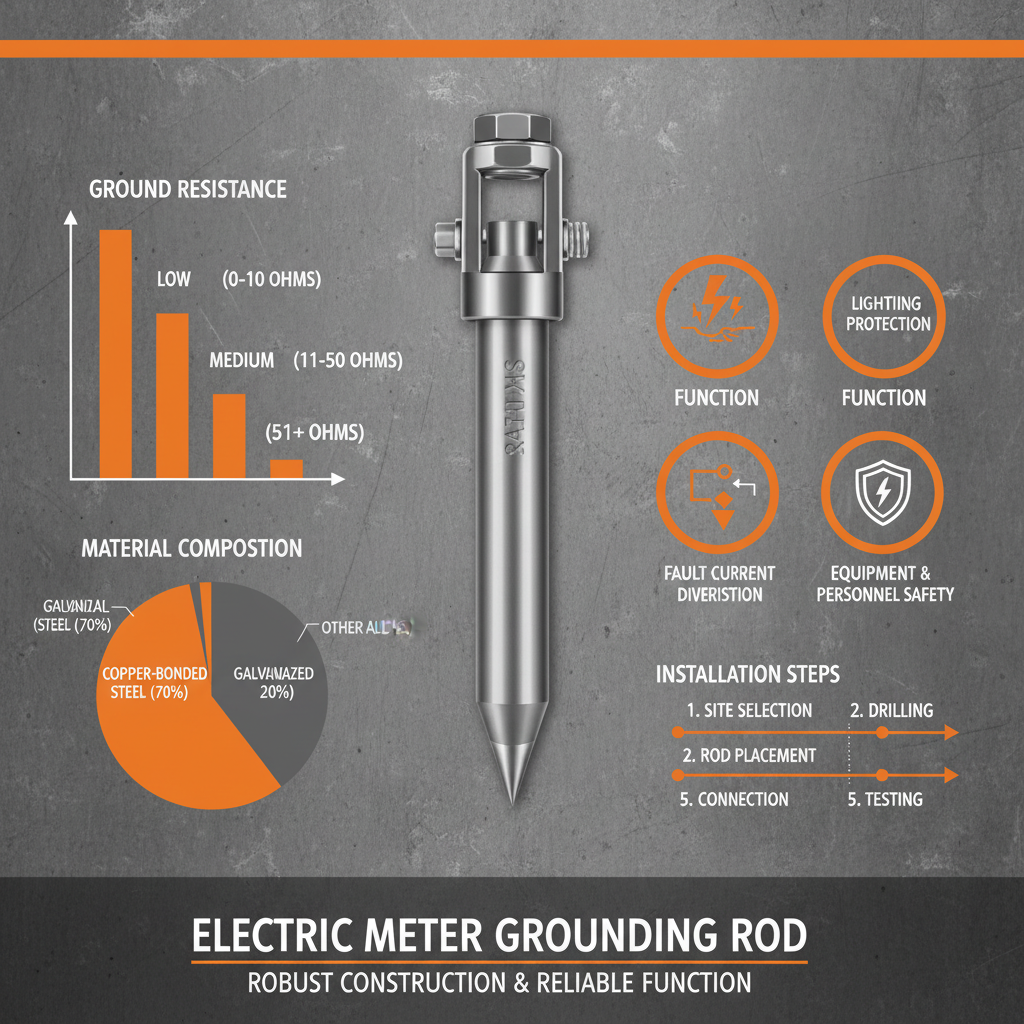
Correct installation is crucial for ensuring the grounding rod functions effectively. The rod should be driven into the ground until only a few inches remain exposed. Multiple rods may be required, spaced at least 6 feet apart, to achieve optimal grounding resistance. A grounding conductor wire must be securely connected to the rod using an approved clamp. It’s important to avoid sharp bends in the grounding wire and to protect it from physical damage. Always consult a qualified electrician to ensure the installation meets local codes and safety standards.
Conclusion: Investing in Grounding Safety
A properly installed electric meter grounding rod is an essential component of a safe and reliable electrical system. Choosing the right type of rod, considering soil conditions, and following best practices for installation are all crucial steps. Don't compromise on safety – prioritize a robust grounding system to protect your property and ensure the well-being of those who rely on it. BiloPowTel provides high-quality grounding rods and expert advice to help you achieve optimal grounding performance.
Frequently Asked Questions (FAQs)
How deep should a grounding rod be driven?
Generally, a grounding rod should be driven at least 8 feet into the ground. However, local electrical codes may specify different requirements. In areas with rocky soil or shallow bedrock, it may be necessary to use multiple rods or alternative grounding methods. The goal is to achieve a low resistance to ground, typically 25 ohms or less. A qualified electrician can accurately measure the grounding resistance and ensure it meets safety standards.
What is the purpose of the grounding clamp?
The grounding clamp securely connects the grounding conductor wire to the grounding rod. It provides a low-resistance electrical connection, ensuring that fault currents can flow effectively to the earth. The clamp must be compatible with the type of grounding rod and grounding wire used, and it must be installed tightly to prevent corrosion and loosening over time. Using an approved grounding clamp is essential for maintaining the integrity of the grounding system.
Can I use a copper grounding rod with aluminum wiring?
While it's generally acceptable to connect a copper grounding rod to aluminum wiring, it's crucial to use a bi-metallic connector or transition fitting to prevent corrosion. Aluminum and copper react with each other, creating a galvanic reaction that can degrade the connection over time. A proper connector ensures a reliable and long-lasting connection, maintaining the effectiveness of the grounding system. Consulting with a qualified electrician is recommended to ensure the correct installation method is used.
Latest news
Precision Lifting and Pulling with the Lever Block 0.5 Ton Guide
NewsApr.16,2026
Precision Engineering Guide for High Performance Jet Lever
NewsApr.16,2026
Ultimate Guide to Choosing the Professional Industrial hoist lever
NewsApr.16,2026
Industrial Hoist Lever Chain Guide for Heavy Lifting and Rigging
NewsApr.16,2026
Industrial Lever Hoist Guide for Efficient Lifting and Pulling
NewsApr.16,2026
Ultimate Guide to Hand Ratchet Lift for Heavy Industrial Lifting
NewsApr.16,2026
- CONTACT
- ADDRESS: 188, Fengshou Road, Shijiazhuang. China
- EMAlL: info@bilopowtel.com
- PHONE: 0086-311-88862036
- WHATSAPP: 0086-152-26563165


