



Feb . 28, 2026 01:45 Back to list
Comprehensive Guide to Ground Rods for Electrical Safety and Grounding Systems
Understanding Ground Rods: A Comprehensive Guide
Ground rods are essential components of effective earthing (grounding) systems, playing a critical role in electrical safety and the protection of sensitive electronic equipment. They provide a low-resistance path for fault currents to flow to earth, minimizing the risk of electric shock and damage. This article will delve into the function of ground rods, their types, installation techniques, and the importance of selecting the right rod for your specific needs. Ensuring a properly grounded system is paramount for both safety and performance. You can find a wide range of high-quality ground rods at Bilopowtel.
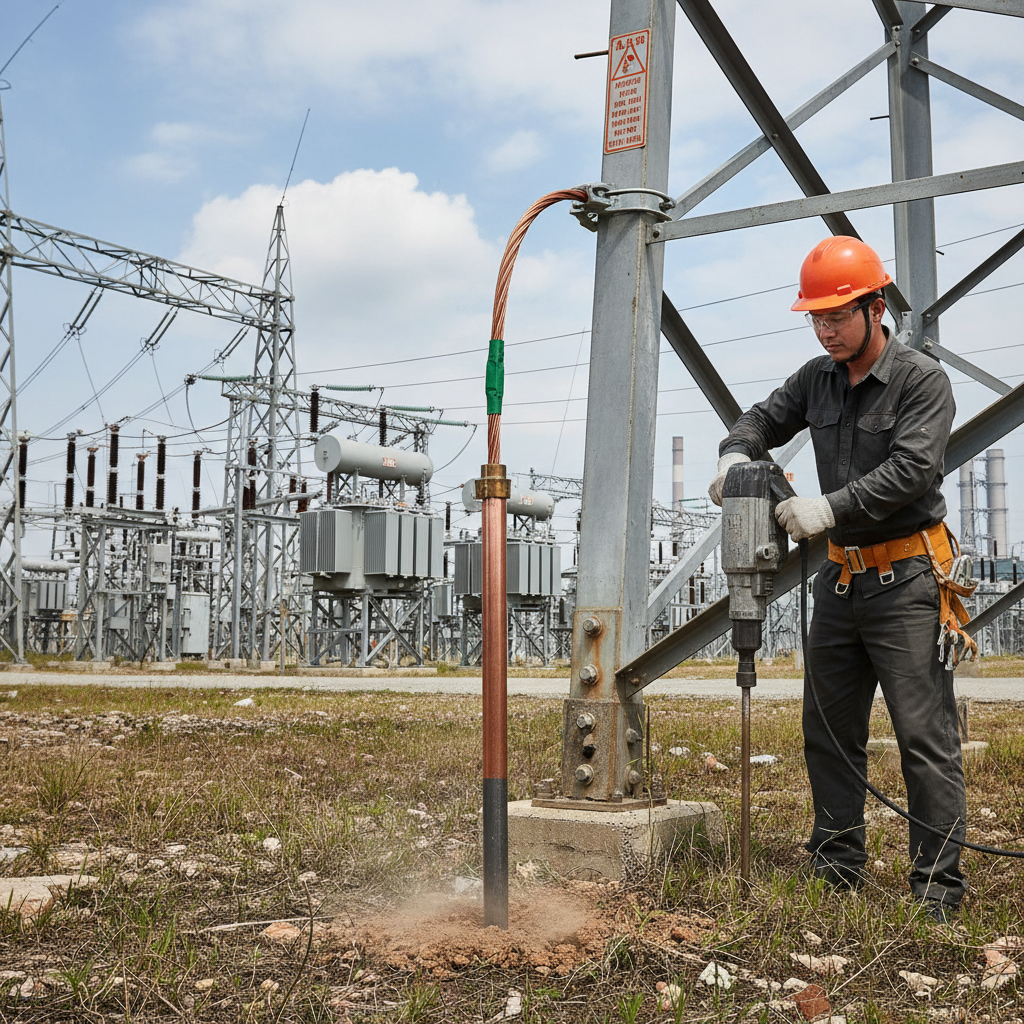
What is a Ground Rod and Why is it Important?
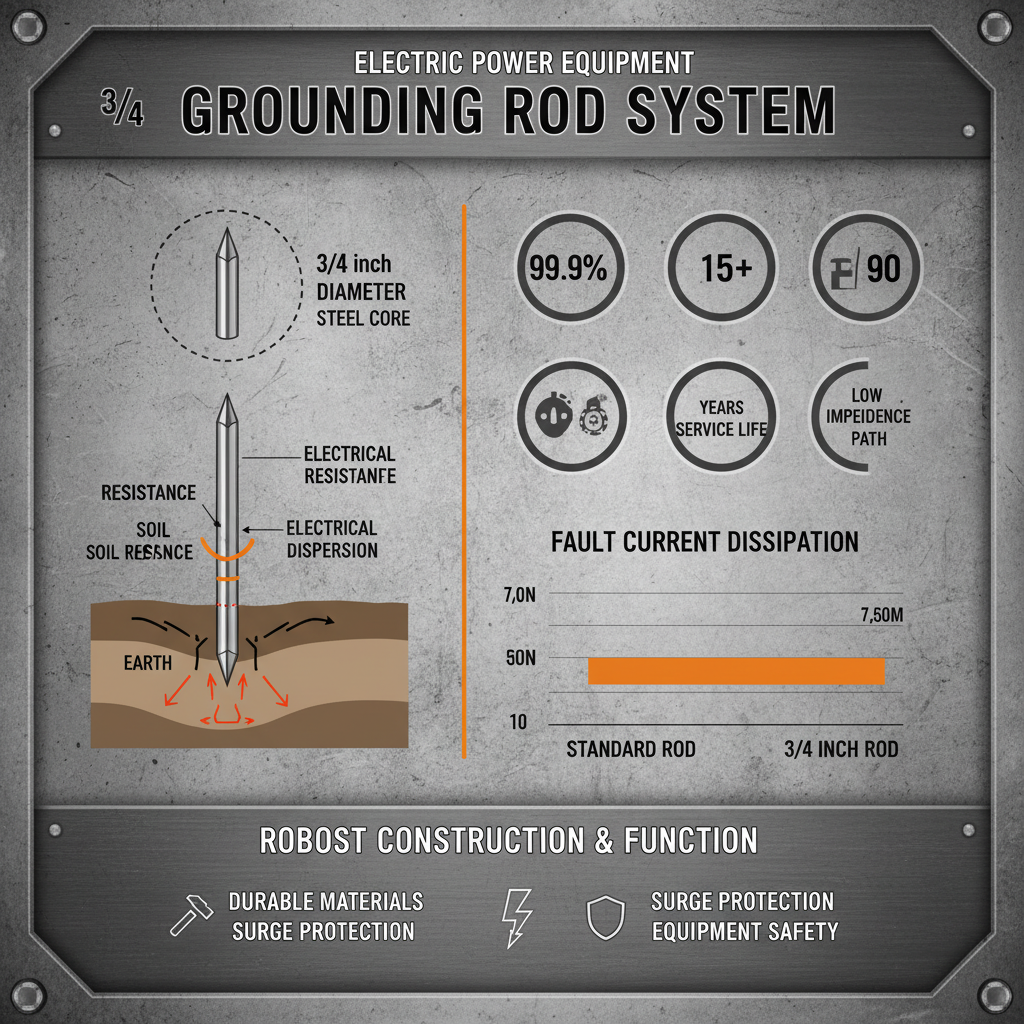
A ground rod, typically made of copper or copper-clad steel, is a conductive rod driven into the earth to establish a connection with the ground. Its primary function is to provide a safe pathway for electrical current to dissipate in the event of a fault, such as a short circuit or lightning strike. Without a properly installed ground rod, the build-up of electrical potential can lead to dangerous voltage levels on metallic surfaces, posing a significant risk to people and equipment. Effective grounding minimizes the risk of electrocution, protects sensitive electronics from damage, and ensures the reliable operation of electrical systems. Choosing the correct ground rod is crucial for these protective measures.
Key Benefits: Provides a safe pathway for fault currents, minimizes the risk of electric shock, protects sensitive equipment, and ensures system reliability.
Types of Ground Rods
Ground rods come in several materials and configurations, each suited for different soil conditions and applications. The most common types include:
- Copper Ground Rods: Offer excellent conductivity and corrosion resistance, ideal for most soil types.
- Copper-Clad Steel Ground Rods: Feature a steel core with a copper outer layer, providing a balance of strength and conductivity at a lower cost than solid copper.
- Galvanized Steel Ground Rods: Less conductive than copper or copper-clad steel, but offer good strength and are suitable for applications where corrosion is not a major concern.
- Stainless Steel Ground Rods: Provide exceptional corrosion resistance, making them ideal for aggressive soil environments.
Ground Rod Material Comparison:
• Copper: Excellent conductivity, high corrosion resistance, higher cost.
• Copper-Clad Steel: Good conductivity, good strength, moderate cost.
• Galvanized Steel: Moderate strength, lower conductivity, lowest cost.
• Stainless Steel: Exceptional corrosion resistance, good conductivity, higher cost.
Ground Rod Installation Best Practices
Proper installation is critical for ensuring the effectiveness of a ground rod. Here are some key best practices:
- Location: Choose a location with moist soil and away from underground utilities.
- Depth: Drive the rod to a depth of at least 8 feet (2.4 meters) or as required by local codes.
- Spacing: Maintain a minimum spacing of 6 feet (1.8 meters) between ground rods if multiple rods are used.
- Connection: Use approved grounding clamps and connectors to securely connect the ground wire to the rod.
- Soil Enhancement: In dry or rocky soil, consider using a grounding compound to improve conductivity.
Always adhere to local electrical codes and regulations when installing ground rods. Consult with a qualified electrician if you are unsure about any aspect of the installation process.
Comparing Common Ground Rod Specifications
Understanding the specifications of different ground rods is vital for making an informed decision. Here’s a comparison of common specifications:
Choosing the Right Ground Rod for Your Needs
Selecting the appropriate ground rod depends on several factors, including soil type, budget, and the level of protection required. If you live in an area with corrosive soil, a stainless steel or copper rod is recommended. For most residential applications, a copper-clad steel rod provides a good balance of performance and cost. Bilopowtel offers a diverse range of ground rods to suit various needs and budgets.
Conclusion: Investing in Reliable Grounding
Proper grounding with high-quality ground rods is a fundamental aspect of electrical safety. Investing in the right ground rod and ensuring its correct installation protects people, equipment, and your property. Explore the extensive selection of ground rods at Bilopowtel and prioritize safety today.
Frequently Asked Questions (FAQs)
How deep should a ground rod be driven?
Generally, a ground rod should be driven at least 8 feet (2.4 meters) into the earth. However, local electrical codes may have specific requirements. In areas with rocky soil or shallow bedrock, it may be necessary to use multiple ground rods or alternative grounding methods. Ensuring adequate depth is critical for establishing a low-resistance ground connection. Always consult local regulations and a qualified electrician for guidance.
What is the purpose of using multiple ground rods?
Using multiple ground rods connected together can significantly reduce the overall ground resistance, especially in areas with poor soil conductivity. Connecting rods in a grid or series-parallel configuration creates a larger grounding surface area, providing a more effective path for fault currents to dissipate. This is particularly important for protecting sensitive electronic equipment and ensuring the safety of large electrical systems.
How often should a ground rod system be inspected?
Ground rod systems should be inspected periodically, ideally every few years, to ensure their continued effectiveness. Inspect the connections for corrosion, and check the grounding resistance using a ground resistance tester. Environmental factors, such as soil erosion or changes in soil moisture, can affect the performance of the grounding system. Regular inspections and maintenance are essential for maintaining electrical safety.
Can a ground rod be installed near plumbing pipes?
It is generally not recommended to install a ground rod directly next to metallic plumbing pipes. The plumbing pipes can introduce unwanted voltages into the grounding system, potentially creating a safety hazard. Maintain a safe distance between the ground rod and any metallic pipes or other underground utilities. It’s crucial to understand local codes and regulations.
Latest news
Precision Lifting and Pulling with the Lever Block 0.5 Ton Guide
NewsApr.16,2026
Precision Engineering Guide for High Performance Jet Lever
NewsApr.16,2026
Ultimate Guide to Choosing the Professional Industrial hoist lever
NewsApr.16,2026
Industrial Hoist Lever Chain Guide for Heavy Lifting and Rigging
NewsApr.16,2026
Industrial Lever Hoist Guide for Efficient Lifting and Pulling
NewsApr.16,2026
Ultimate Guide to Hand Ratchet Lift for Heavy Industrial Lifting
NewsApr.16,2026
- CONTACT
- ADDRESS: 188, Fengshou Road, Shijiazhuang. China
- EMAlL: info@bilopowtel.com
- PHONE: 0086-311-88862036
- WHATSAPP: 0086-152-26563165


