



Mar . 11, 2026 01:45 Back to list
Comprehensive Guide to Extendable Earth Rods for Reliable Grounding Systems
Understanding Extendable Earth Rods for Optimal Grounding
Effective grounding is paramount for electrical safety, lightning protection, and reliable equipment operation. Extendable earth rods provide a versatile and efficient solution for achieving low-resistance grounding in diverse environments. This article explores the benefits, applications, installation techniques, and key considerations when selecting extendable earth rods, particularly focusing on offerings from Bilopowtel. Proper grounding is essential to prevent electrical hazards and ensure the longevity of your electrical systems.
The Advantages of Extendable Earth Rods
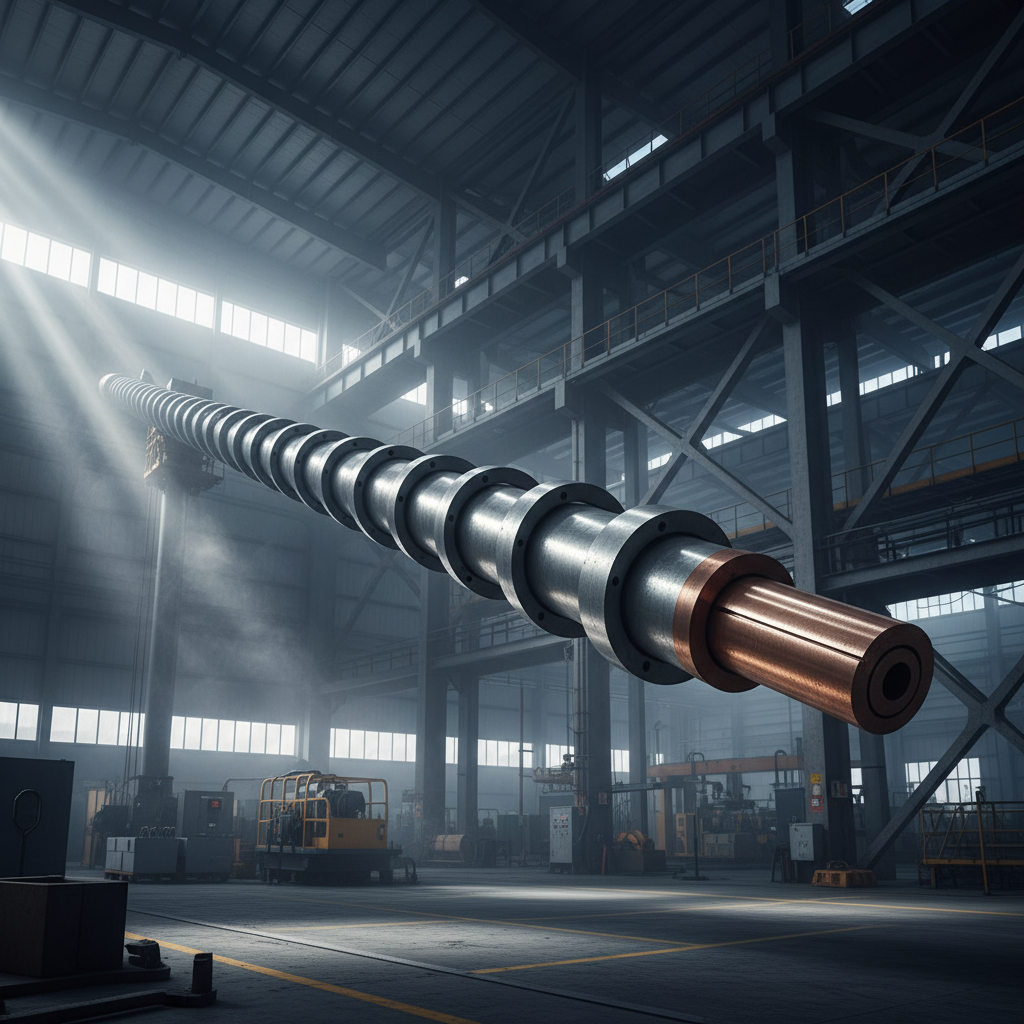
Unlike traditional solid earth rods, extendable designs offer significant advantages in terms of portability, installation flexibility, and adaptability to varying soil conditions. Their telescopic construction allows for easy transport and adjustment of grounding depth, minimizing the need for multiple rod lengths. This is particularly useful in areas with unpredictable soil layers or limited access. Extendable rods often incorporate a driving head for simplified installation, reducing labor costs and installation time. Bilopowtel's extendable earth rods are engineered for durability and efficient grounding performance.
Key Benefits: Portability, adjustable grounding depth, simplified installation, cost-effectiveness, adaptable to diverse soil types.
Applications of Extendable Earth Rods
Extendable earth rods find applications across a wide spectrum of industries. They are commonly used in telecommunications for grounding cell towers and base stations, ensuring reliable signal transmission and protecting sensitive equipment from surges. In renewable energy, they are essential for grounding solar panel arrays and wind turbines. Furthermore, they are crucial for lightning protection systems in residential, commercial, and industrial buildings. Other applications include grounding electrical substations, data centers, and even temporary event setups. Bilopowtel provides solutions tailored to the specific grounding requirements of each application.
Common Applications:
• Telecommunications (Cell Towers, Base Stations)
• Renewable Energy (Solar, Wind)
• Lightning Protection (Residential, Commercial, Industrial)
• Electrical Substations and Data Centers
Extendable Earth Rods: A Comparison
Understanding the differences between various types of earth rods is essential for selecting the optimal solution. Below is a comparison highlighting the strengths and weaknesses of different grounding methods:
Selecting the Right Extendable Earth Rod: Key Specifications
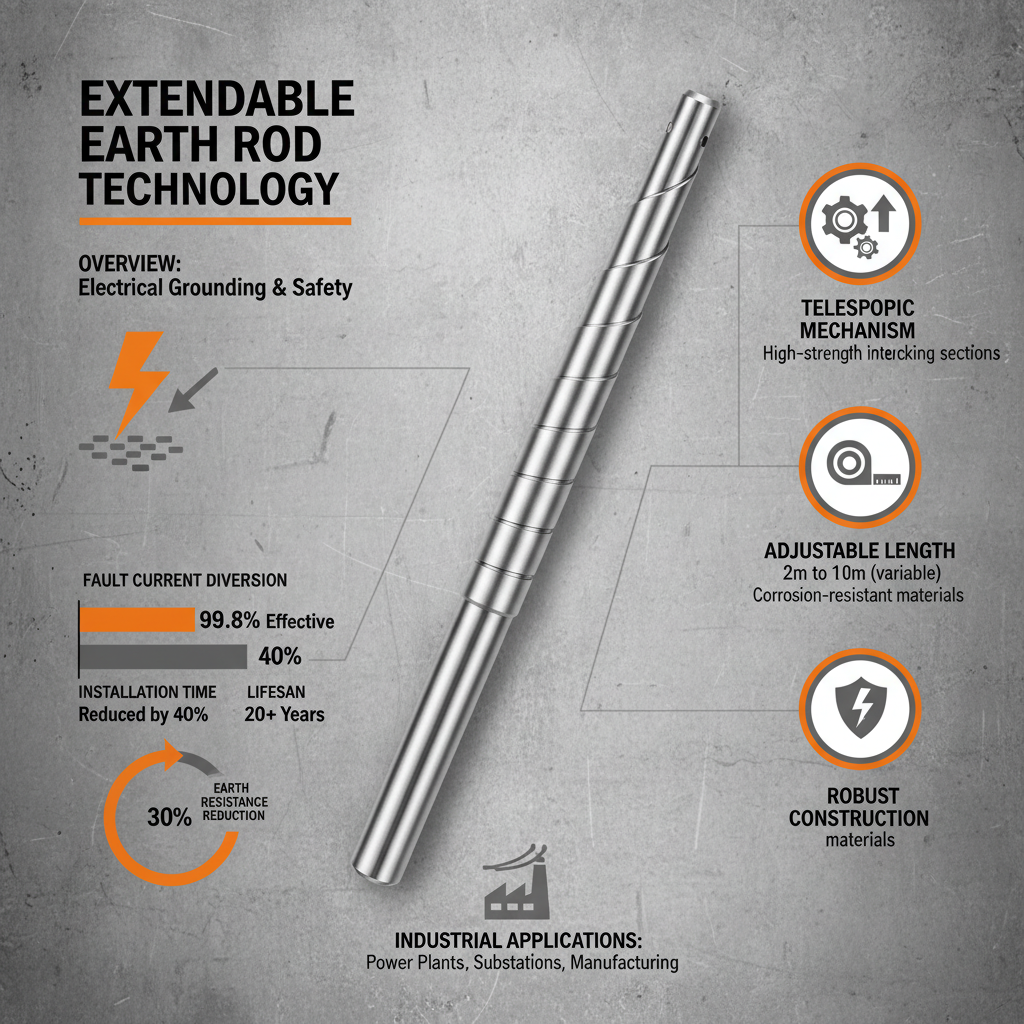
When choosing an extendable earth rod, consider factors like material (typically copper-clad steel), length, diameter, and driving head compatibility. Bilopowtel offers a range of extendable earth rods with varying specifications to meet diverse needs. The following table provides an overview of commonly available specifications:
Conclusion: Ensuring Safety with Quality Grounding
Investing in high-quality extendable earth rods from a reputable supplier like Bilopowtel is crucial for protecting your equipment, ensuring safety, and maintaining reliable electrical performance. Proper grounding is not just a regulatory requirement; it's a fundamental aspect of responsible engineering and operational practices.
Frequently Asked Questions (FAQs)
What is the recommended grounding resistance for most applications?
Generally, a grounding resistance of 10 ohms or less is considered acceptable for most electrical systems. However, specific requirements may vary depending on local regulations, the sensitivity of the equipment being protected, and the potential for lightning strikes. For critical applications like data centers or telecommunication towers, lower resistance values (e.g., 5 ohms or less) may be necessary. Regular testing of grounding resistance is essential to ensure continued effectiveness. Bilopowtel can assist in determining the appropriate grounding resistance for your specific application.
How do I install an extendable earth rod?
Installation typically involves driving the earth rod into the ground using a driving tool (often integrated into the rod). It's crucial to select a location free from underground utilities and ensure sufficient depth for optimal grounding. For hard or rocky soil, pre-drilling may be necessary. Once installed, ensure a secure connection to the grounding conductor. Always follow the manufacturer's instructions and local electrical codes. Bilopowtel provides detailed installation guides and support.
How often should I inspect my earth rods?
Earth rods should be inspected at least annually, and more frequently in harsh environments. Inspect for corrosion, damage to the rod or connections, and proper grounding resistance. Connections should be tightened as needed. Regular testing of grounding resistance is also recommended to verify continued effectiveness. Documenting inspection results is crucial for maintaining a comprehensive safety record.
Latest news
Precision Lifting and Pulling with the Lever Block 0.5 Ton Guide
NewsApr.16,2026
Precision Engineering Guide for High Performance Jet Lever
NewsApr.16,2026
Ultimate Guide to Choosing the Professional Industrial hoist lever
NewsApr.16,2026
Industrial Hoist Lever Chain Guide for Heavy Lifting and Rigging
NewsApr.16,2026
Industrial Lever Hoist Guide for Efficient Lifting and Pulling
NewsApr.16,2026
Ultimate Guide to Hand Ratchet Lift for Heavy Industrial Lifting
NewsApr.16,2026
- CONTACT
- ADDRESS: 188, Fengshou Road, Shijiazhuang. China
- EMAlL: info@bilopowtel.com
- PHONE: 0086-311-88862036
- WHATSAPP: 0086-152-26563165


