



Mar . 26, 2026 01:45 Back to list
Optimizing Grounding Systems with Supplemental Ground Rods for Enhanced Safety
Understanding Supplemental Ground Rods for Optimal Grounding
Effective grounding is critical for the safety and reliability of electrical systems, particularly in telecommunications and power distribution. Often, a single ground rod isn’t enough to achieve the necessary low resistance to earth. This is where supplemental ground rods become essential. These additional grounding electrodes work in conjunction with the primary ground rod to significantly reduce ground resistance, protecting equipment and personnel. This article will explore the benefits, applications, installation techniques, and considerations when using supplemental ground rods, ensuring your grounding system meets the required standards.
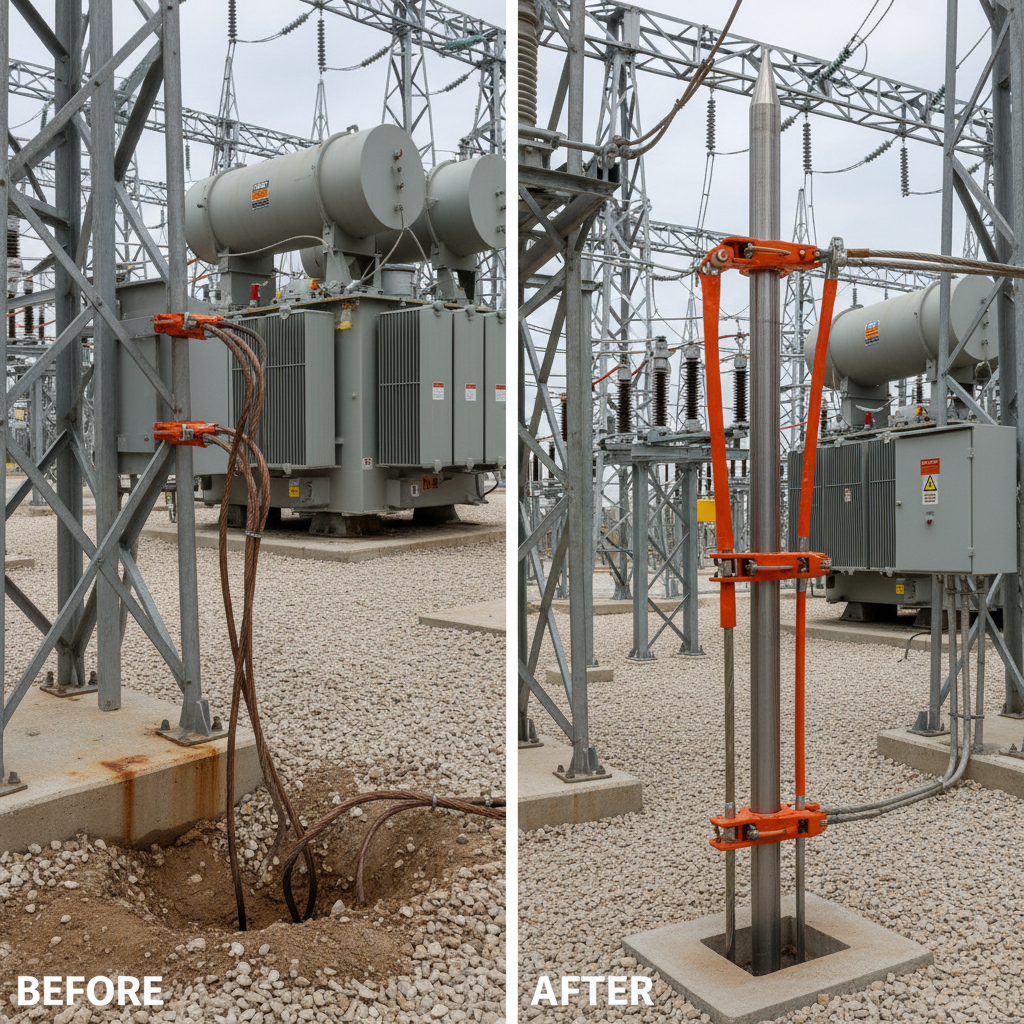
Why Use Supplemental Ground Rods?
The primary purpose of grounding is to provide a low-impedance path for fault currents to flow safely to earth. However, soil resistivity varies significantly depending on location and environmental factors. In areas with high soil resistivity (sandy, rocky, or dry soil), a single ground rod often cannot achieve the required resistance to ground (typically 5 ohms or less, as per national and local electrical codes). Supplemental ground rods reduce ground resistance by increasing the surface area in contact with the earth, offering multiple paths for current dissipation. This improved grounding minimizes the risk of electrical shock, equipment damage from surges, and interference with sensitive electronic devices.
Key Benefits: Reduced ground resistance, enhanced safety, improved equipment protection, minimized interference, and compliance with electrical codes.
Applications of Supplemental Ground Rods
Supplemental ground rods are widely used in various applications, including telecommunications towers, cell sites, power substations, data centers, and residential electrical systems. Telecommunication facilities, in particular, require robust grounding to protect sensitive electronic equipment from lightning strikes and power surges. Similarly, data centers depend on reliable grounding to ensure the integrity of data and prevent downtime. Residential applications benefit from supplemental grounding to improve safety and protect appliances and electronics. They’re also frequently employed in areas prone to lightning activity or with naturally high soil resistivity.
Common Applications:
• Telecommunications Towers & Cell Sites
• Power Substations
• Data Centers
• Residential Electrical Systems
Supplemental Ground Rods vs. Grounding Alternatives
While supplemental ground rods are a common solution, other grounding methods exist, such as ground rings and chemical grounding rods. Each approach has its advantages and disadvantages. Ground rings, consisting of a conductor encircling a structure, offer low resistance but are expensive to install. Chemical grounding rods utilize backfill compounds to reduce soil resistivity, but their long-term effectiveness can be questionable. Supplemental ground rods provide a cost-effective and reliable solution, especially when combined with proper installation techniques.
Installation Best Practices
Proper installation is crucial for the effectiveness of supplemental ground rods. Rods should be driven vertically into the ground to the maximum practical depth, typically at least 8 feet. Spacing between rods should be equal to the length of the rods themselves. Connecting rods should be done with exothermic welds or approved grounding connectors, ensuring a low-resistance connection. Regularly inspect connections to guarantee continued effectiveness. Always adhere to local electrical codes and manufacturer’s recommendations during installation.
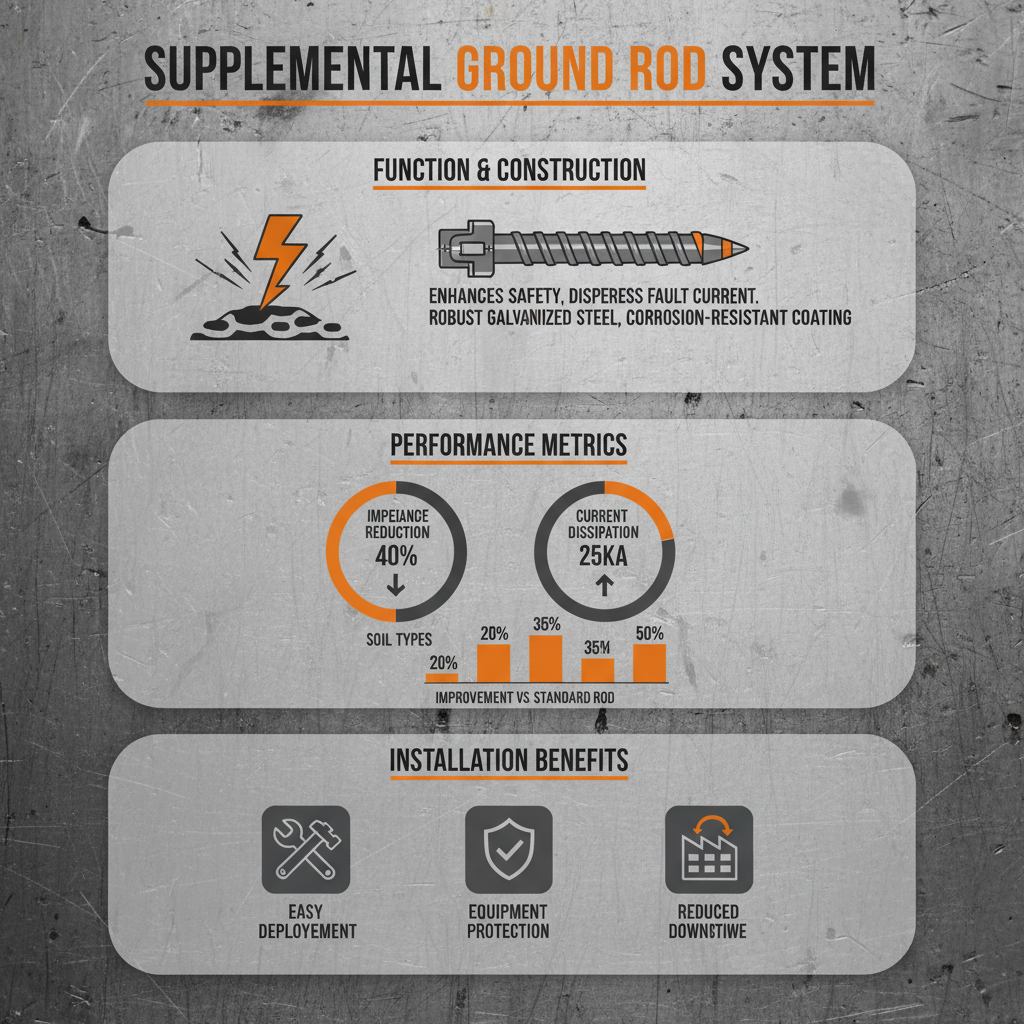
Selecting the Right Supplemental Ground Rods
Bilopowtel offers a comprehensive range of supplemental ground rods manufactured from high-quality copper-clad steel to ensure durability and conductivity. When selecting rods, consider the soil conditions, the required grounding resistance, and the applicable electrical codes. Rods are available in various lengths and diameters to suit different applications. Choosing the correct size and material ensures optimal performance and long-term reliability.
Conclusion: Ensuring Safe and Reliable Grounding
Implementing supplemental ground rods is a proactive step towards ensuring the safety and reliability of electrical systems. By reducing ground resistance and providing a robust grounding path, you protect equipment, personnel, and data. Invest in quality grounding solutions from reputable suppliers like Bilopowtel to safeguard your investments and maintain operational integrity.
Frequently Asked Questions (FAQs)
How many supplemental ground rods are typically needed?
The number of supplemental ground rods needed depends on the existing ground resistance and the desired target resistance. Generally, adding multiple rods spaced equal distances apart is more effective than using a single, longer rod. A ground resistance test should be conducted to determine the initial resistance and then repeated after installing each additional rod to assess the improvement. Electrical codes often dictate specific requirements based on the application and soil conditions. Consulting with a qualified electrician is recommended to determine the optimal number of rods for your specific needs.
What is the best way to connect supplemental ground rods?
The most reliable method for connecting supplemental ground rods is using exothermic welding. This process creates a permanent, low-resistance connection that is resistant to corrosion. Approved grounding connectors, such as compression connectors, can also be used, but it's crucial to select connectors that are compatible with the rod material and size. Avoid using mechanical clamps, as they can loosen over time and increase resistance. Always follow the manufacturer's instructions for the chosen connection method.
Can supplemental ground rods be used in rocky soil?
Installing ground rods in rocky soil can be challenging. In these conditions, it may be necessary to use a pneumatic hammer to drive the rods into the ground. Alternatively, horizontal ground rods can be buried in trenches filled with conductive backfill material. Chemical grounding rods may also be considered, but their long-term effectiveness should be monitored. The key is to ensure good contact between the rod and the surrounding earth, even in rocky conditions.
Latest news
Precision Lifting and Pulling with the Lever Block 0.5 Ton Guide
NewsApr.16,2026
Precision Engineering Guide for High Performance Jet Lever
NewsApr.16,2026
Ultimate Guide to Choosing the Professional Industrial hoist lever
NewsApr.16,2026
Industrial Hoist Lever Chain Guide for Heavy Lifting and Rigging
NewsApr.16,2026
Industrial Lever Hoist Guide for Efficient Lifting and Pulling
NewsApr.16,2026
Ultimate Guide to Hand Ratchet Lift for Heavy Industrial Lifting
NewsApr.16,2026
- CONTACT
- ADDRESS: 188, Fengshou Road, Shijiazhuang. China
- EMAlL: info@bilopowtel.com
- PHONE: 0086-311-88862036
- WHATSAPP: 0086-152-26563165


