



Feb . 25, 2026 01:45 Back to list
Comprehensive Guide to Grounding Cable 16mm2 for Electrical Safety
Understanding the Importance of a Grounding Cable 16mm2
In the realm of electrical safety, a robust grounding system is paramount. A crucial component of this system is the grounding cable, and selecting the appropriate size is vital. This article focuses on the grounding cable 16mm2, detailing its applications, benefits, installation, and crucial considerations for ensuring optimal performance and safety. Proper grounding protects against electrical shock, prevents damage to equipment, and ensures a safe working environment. We will explore why choosing the right cable, like the 16mm2 option, is a key investment for any electrical setup.
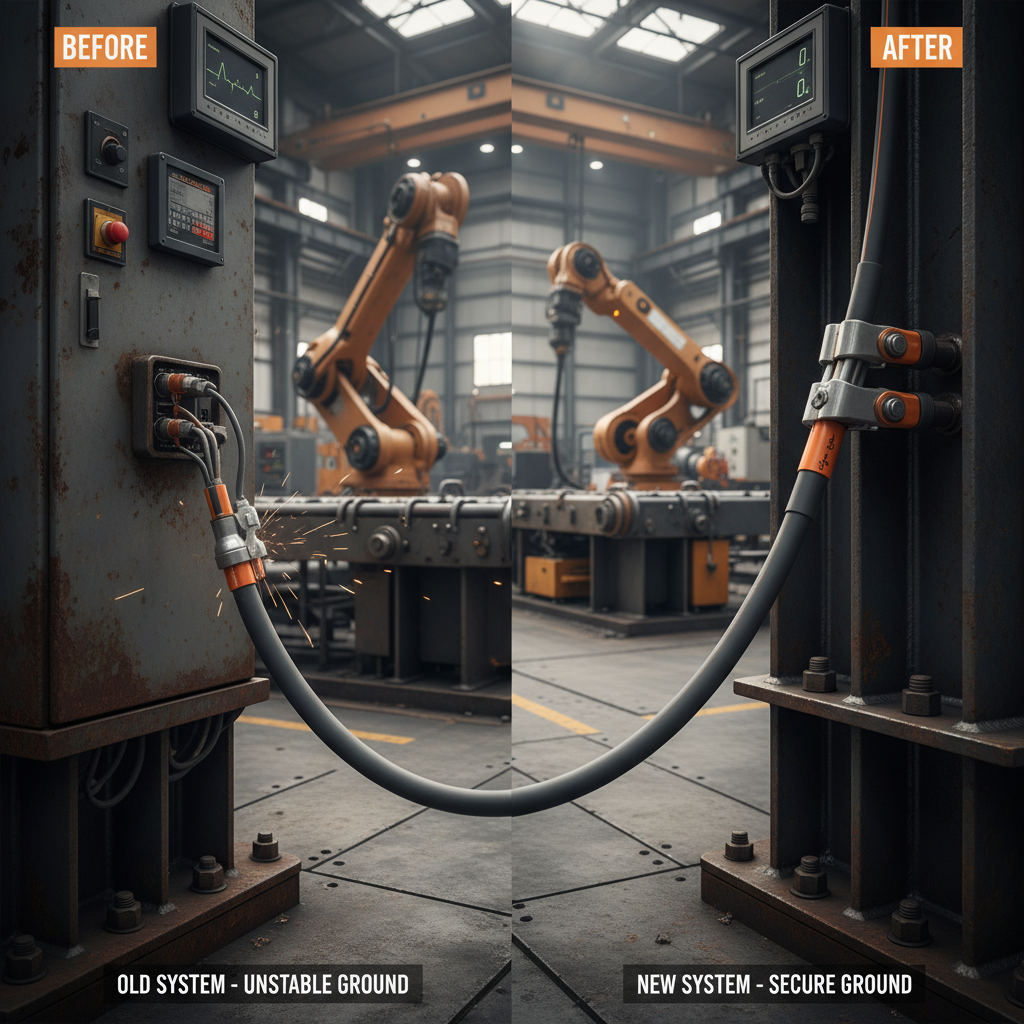
What is a Grounding Cable and Why is 16mm2 Important?
A grounding cable, also known as an earth wire, provides a low-resistance path for fault currents to flow back to the source, triggering protective devices like circuit breakers or fuses to trip and disconnect the power. The 16mm2 designation refers to the cross-sectional area of the cable in square millimeters. A larger cross-sectional area, like 16mm2, indicates a greater capacity to carry current safely. This is essential for handling substantial fault currents that can occur in various electrical systems. Choosing the correct cable size is not just about compliance, it's about protecting lives and property. It's crucial to work with certified electrical professionals to ensure correct installation.
Key Takeaway: The 16mm2 grounding cable provides a robust and safe path for fault currents, minimizing the risk of electrical hazards.
Applications of a 16mm2 Grounding Cable
The 16mm2 grounding cable finds application in a variety of settings, including residential, commercial, and industrial environments. Commonly used for main earth connections in buildings, it's also suitable for bonding metal structures like water pipes and gas lines. Industrial machinery, power distribution boards, and server racks often require this size cable to ensure a reliable grounding path for heavy electrical loads. It is also essential in lightning protection systems where a large current carrying capacity is critical. These applications all benefit from the increased safety and reliability offered by a properly installed and sized grounding system.
Common Applications:
• Main earth connections in buildings
• Bonding of metal structures (water, gas)
• Industrial machinery grounding
• Power distribution boards
Grounding Cable 16mm2: A Comparison of Materials
Grounding cables are available in various materials, each with its own strengths and weaknesses. Copper is the most common due to its excellent conductivity and corrosion resistance. However, aluminum is also used, often in larger installations where weight is a concern. Here’s a comparison highlighting key differences:
Installation Best Practices for Grounding Cable 16mm2
Proper installation is as critical as selecting the correct cable size. All connections must be tight and corrosion-free. Use appropriate lugs and connectors designed for 16mm2 cables. Avoid sharp bends that can damage the cable's insulation. Grounding connections should be made to a known earth point, and the entire grounding system should be regularly inspected to ensure its integrity. Consult local electrical codes and regulations for specific requirements. Bilopowtel offers a range of high-quality grounding cables and accessories to facilitate safe and reliable installations.
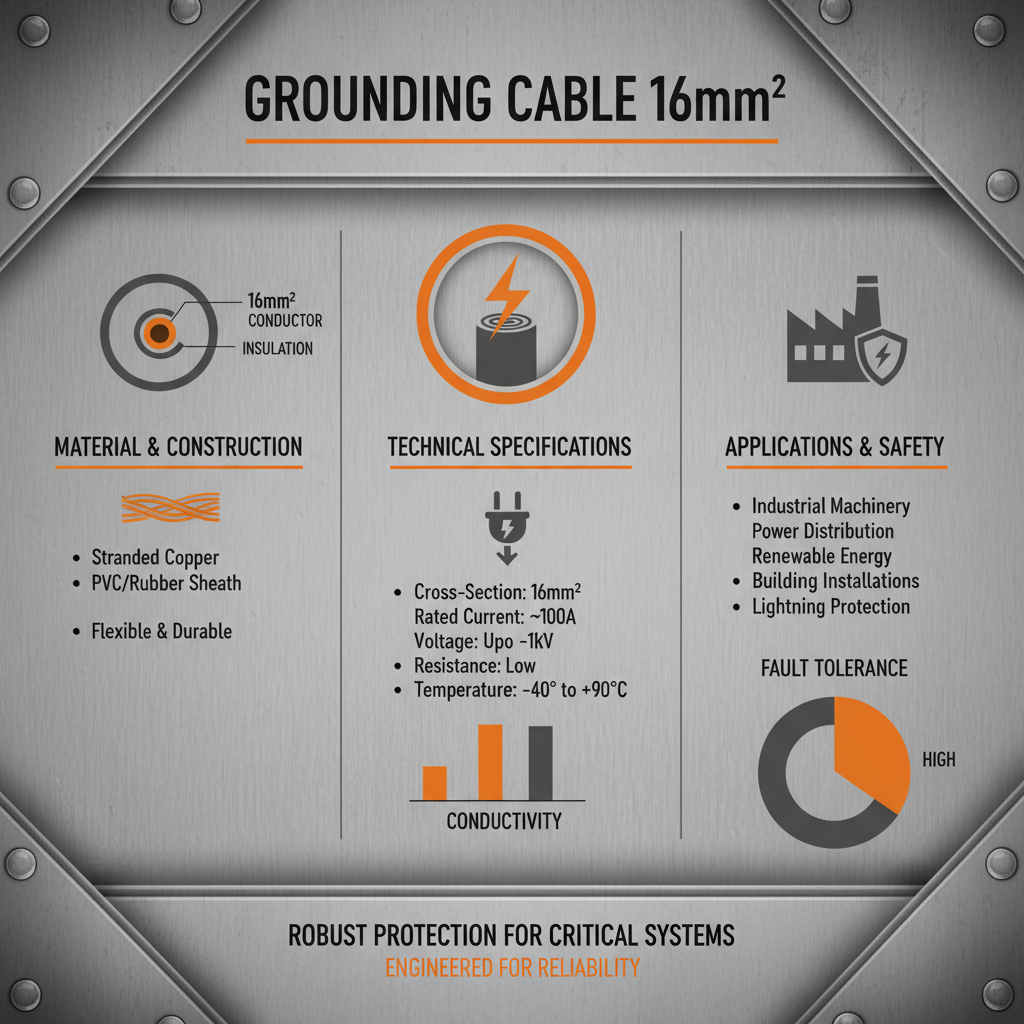
Product Specifications and Quality Considerations
When sourcing a 16mm2 grounding cable, prioritize quality and compliance with industry standards. Look for cables that meet IEC or equivalent certifications. The cable's insulation should be durable and resistant to environmental factors. Consider the cable’s flexibility and ease of installation, especially in confined spaces. Bilopowtel offers grounding cables manufactured to the highest quality standards, ensuring reliable performance and long-term safety.
Conclusion: Investing in a Safe Grounding System
Selecting the right grounding cable 16mm2 is an essential investment in electrical safety. Prioritizing quality, proper installation, and adherence to safety standards can significantly reduce the risk of electrical hazards and protect your equipment. Don’t compromise on safety—choose a reliable supplier like Bilopowtel and ensure your grounding system provides the protection you need.
Frequently Asked Questions (FAQs)
What is the purpose of a grounding cable?
The primary purpose of a grounding cable is to provide a low-resistance path for fault currents to flow back to the source. This triggers protective devices (circuit breakers or fuses) to disconnect the power supply, preventing electrical shock and damage to equipment. A properly grounded system minimizes the risk of dangerous voltage buildup on conductive surfaces, ensuring a safe environment. Grounding also helps to stabilize voltage levels and reduce electrical noise.
Is 16mm2 grounding cable sufficient for all applications?
While 16mm2 is a common and versatile size, it's not suitable for all applications. The appropriate size depends on the total electrical load, the length of the grounding run, and local electrical codes. Larger installations or those with high fault current potential may require larger cable sizes (e.g., 25mm2, 35mm2). A qualified electrician should assess your specific needs to determine the correct cable size.
How often should a grounding system be inspected?
Grounding systems should be inspected regularly, ideally at least annually, and more frequently in harsh environments. Inspections should include visual checks for corrosion, damage to cables, and tightness of connections. Periodic resistance testing can also be performed to verify the integrity of the grounding path. Maintaining a regular inspection schedule ensures the grounding system remains effective and provides ongoing protection.
Latest news
Precision Lifting and Pulling with the Lever Block 0.5 Ton Guide
NewsApr.16,2026
Precision Engineering Guide for High Performance Jet Lever
NewsApr.16,2026
Ultimate Guide to Choosing the Professional Industrial hoist lever
NewsApr.16,2026
Industrial Hoist Lever Chain Guide for Heavy Lifting and Rigging
NewsApr.16,2026
Industrial Lever Hoist Guide for Efficient Lifting and Pulling
NewsApr.16,2026
Ultimate Guide to Hand Ratchet Lift for Heavy Industrial Lifting
NewsApr.16,2026
- CONTACT
- ADDRESS: 188, Fengshou Road, Shijiazhuang. China
- EMAlL: info@bilopowtel.com
- PHONE: 0086-311-88862036
- WHATSAPP: 0086-152-26563165


