



Mar . 03, 2026 18:05 Back to list
Comprehensive Guide to Chemical Ground Rods for Superior Grounding Solutions
Understanding Chemical Ground Rods: A Comprehensive Guide
Chemical ground rods are crucial components in effective grounding systems, vital for protecting electrical equipment and personnel from dangerous voltage surges. They offer a corrosion-resistant alternative to traditional copper-clad steel ground rods, particularly in challenging soil conditions. This article will delve into the science behind chemical ground rods, their applications, benefits, and how they compare to other grounding methods. We’ll also explore key specifications to consider when choosing the right ground rod for your specific needs. Explore our wide range of grounding solutions at Bilopowtel, your trusted partner in power and telecommunications infrastructure.
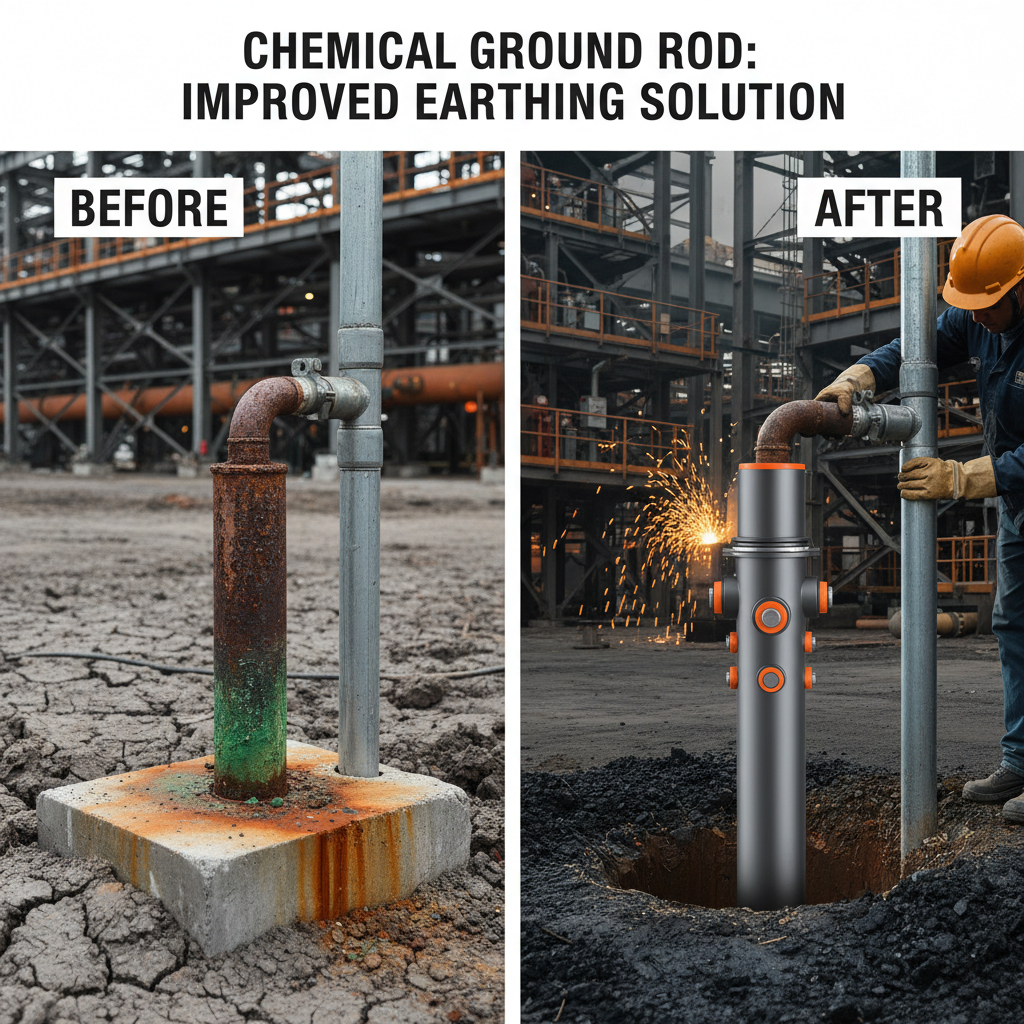
What are Chemical Ground Rods?
Chemical ground rods are manufactured using a high-strength steel core, coated with a specialized chemical compound—typically a metallic alloy. This alloy, often containing zinc, nickel, and other elements, provides superior corrosion resistance compared to standard galvanized steel. The chemical coating creates a robust barrier against the corrosive effects of soil, reducing resistance and ensuring long-term grounding effectiveness. Unlike copper-clad steel rods, the chemical coating bonds metallurgically with the steel core, preventing delamination and maintaining consistent conductivity over time.
Key Benefit: Superior corrosion resistance ensures long-lasting grounding performance, reducing maintenance and replacement costs.
Applications of Chemical Ground Rods
Chemical ground rods find application in a diverse range of industries and environments. They are particularly well-suited for:
- Telecommunications Towers: Providing reliable grounding for sensitive electronic equipment.
- Power Substations: Protecting against surges and ensuring safety in high-voltage environments.
- Renewable Energy Systems: Grounding solar farms and wind turbines.
- Corrosive Soil Environments: Coastal areas, industrial sites, and areas with high salt content.
- Remote Locations: Where maintenance access is limited.
Ideal for Challenging Environments:
• Coastal regions with high salt content
• Industrial sites with chemical exposure
• Areas with aggressive soil composition
• Remote locations requiring minimal maintenance
Chemical Ground Rods vs. Other Grounding Methods
When selecting a grounding solution, it’s crucial to compare chemical ground rods with other options like copper-clad steel and solid copper rods. Each method has its pros and cons. Copper-clad steel rods are generally cheaper initially, but the copper layer can delaminate over time, leading to increased resistance. Solid copper rods offer excellent conductivity but are more expensive and susceptible to theft. Chemical ground rods provide a balance between cost, durability, and performance. They offer a lower long-term cost of ownership due to their extended lifespan and reduced maintenance needs.
Selecting the Right Chemical Ground Rod: Key Specifications
Choosing the appropriate chemical ground rod requires considering several factors. Key specifications include:
- Length: Determined by soil resistivity and desired grounding resistance.
- Diameter: Impacts the current-carrying capacity and structural strength.
- Coating Thickness: A thicker coating provides greater corrosion resistance.
- Steel Core Strength: High-strength steel ensures durability and resistance to bending.
- Alloy Composition: The specific alloy used influences corrosion resistance and conductivity.
At Bilopowtel, we offer a wide range of chemical ground rods with varying specifications to meet your specific requirements.
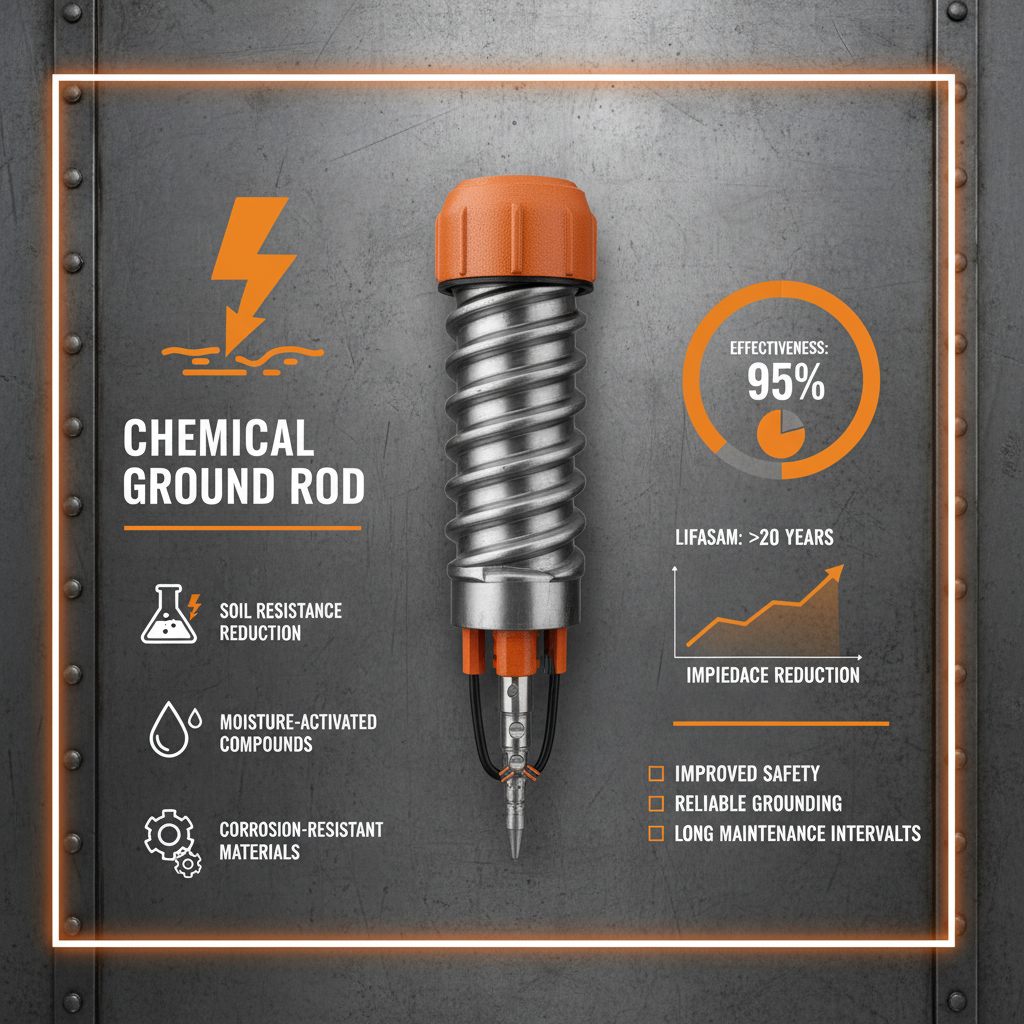
Conclusion: Invest in Reliable Grounding with Chemical Ground Rods
Chemical ground rods offer a superior grounding solution, particularly in challenging environments. Their exceptional corrosion resistance, long lifespan, and cost-effectiveness make them a smart investment for protecting your valuable equipment and ensuring safety. Browse our comprehensive selection of chemical ground rods at Bilopowtel and find the perfect solution for your needs.
Frequently Asked Questions (FAQs)
What is soil resistivity and why is it important when choosing a ground rod?
Soil resistivity measures the resistance of soil to the flow of electrical current. High soil resistivity indicates poor conductivity, requiring longer or larger ground rods to achieve effective grounding. Low soil resistivity means the soil conducts electricity well, allowing for shorter or smaller rods. It's critical to measure soil resistivity before selecting a ground rod to ensure the grounding system meets safety standards. Factors affecting soil resistivity include moisture content, temperature, and chemical composition.
How deep should a chemical ground rod be driven?
The optimal depth for a chemical ground rod depends on soil resistivity, desired grounding resistance, and local regulations. Generally, a minimum depth of 8 feet (2.4 meters) is recommended, but in areas with high soil resistivity, deeper installation may be necessary. It’s important to avoid rocky layers and ensure the rod is driven vertically to maximize contact with the surrounding soil. Consult with a qualified grounding specialist to determine the appropriate depth for your specific site conditions.
Can chemical ground rods be used in conjunction with other grounding methods?
Yes, chemical ground rods can be effectively used in combination with other grounding methods, such as ground rings or ground mats, to create a comprehensive grounding system. This is particularly beneficial in areas with complex soil conditions or high grounding requirements. Combining different grounding techniques can enhance overall system reliability and provide multiple paths to ground in the event of a fault.
Latest news
Precision Lifting and Pulling with the Lever Block 0.5 Ton Guide
NewsApr.16,2026
Precision Engineering Guide for High Performance Jet Lever
NewsApr.16,2026
Ultimate Guide to Choosing the Professional Industrial hoist lever
NewsApr.16,2026
Industrial Hoist Lever Chain Guide for Heavy Lifting and Rigging
NewsApr.16,2026
Industrial Lever Hoist Guide for Efficient Lifting and Pulling
NewsApr.16,2026
Ultimate Guide to Hand Ratchet Lift for Heavy Industrial Lifting
NewsApr.16,2026
- CONTACT
- ADDRESS: 188, Fengshou Road, Shijiazhuang. China
- EMAlL: info@bilopowtel.com
- PHONE: 0086-311-88862036
- WHATSAPP: 0086-152-26563165


