



Mar . 09, 2026 01:45 Back to list
Comprehensive Guide to Earth Rod with Clamp Systems for Electrical Safety
Understanding Earth Rods with Clamps: A Comprehensive Guide
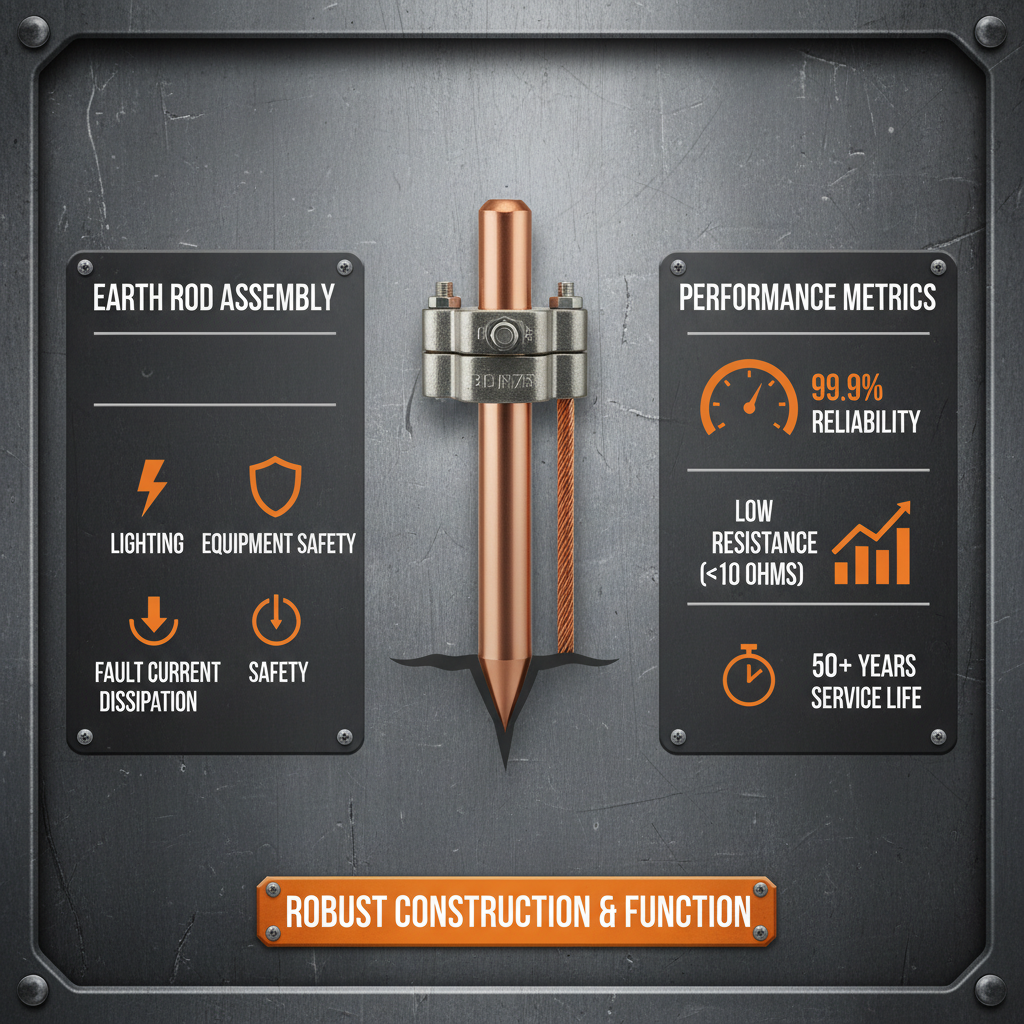
When establishing effective grounding systems for electrical installations, choosing the right earth rod with clamp is critical. These rods, combined with reliable clamps, provide a low-resistance pathway for fault currents to safely dissipate into the earth, protecting equipment and personnel. This article will explore the various aspects of earth rods with clamps, including their types, applications, installation considerations, and the importance of quality. A properly grounded system is fundamental to safety and reliability, and understanding these components is key to achieving optimal performance.
Types of Earth Rods
Earth rods come in several materials, each offering distinct advantages depending on the soil conditions and application. Common types include copper-bonded steel, galvanized steel, and stainless steel. Copper-bonded steel rods provide excellent conductivity with the durability of steel, making them a popular choice. Galvanized steel rods are more cost-effective but may have a shorter lifespan in corrosive soils. Stainless steel rods offer superior corrosion resistance but are generally more expensive. Selecting the appropriate material is crucial for long-term effectiveness and minimizing maintenance. BiloPowTel offers a range of high-quality earth rods to suit diverse needs.
Key Considerations: Material selection depends on soil resistivity, corrosion potential, and budget constraints. Proper grounding ensures safety and prevents electrical hazards.
Understanding Earth Rod Clamps
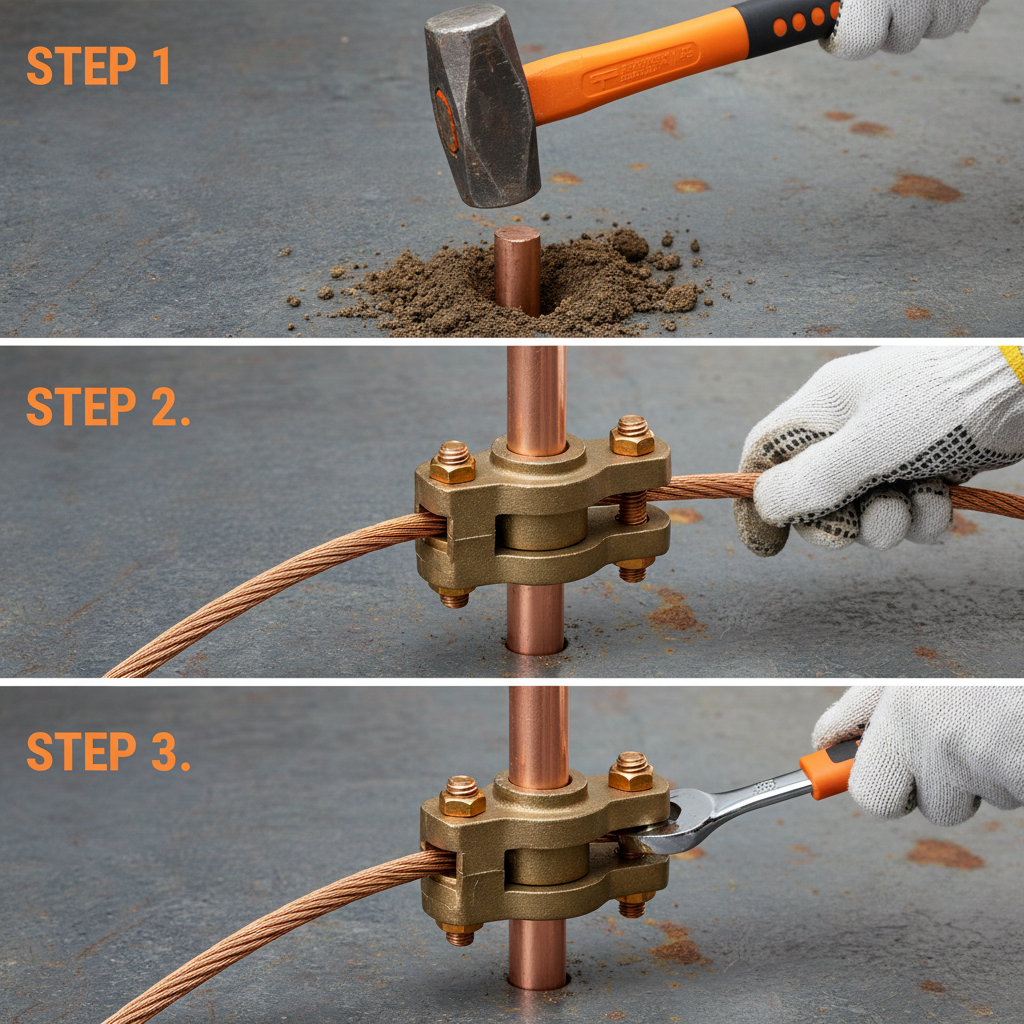
The clamp plays a vital role in establishing a secure and low-resistance connection between the earth rod and the grounding conductor. Clamps are typically made of brass or copper, ensuring good conductivity. Different types of clamps are available, including compression clamps and bolt-down clamps. Compression clamps are easy to install and provide a firm grip, while bolt-down clamps offer a more robust connection, especially in areas with vibrations. It's essential to choose a clamp that is compatible with the earth rod size and the grounding conductor material.
Clamp Selection Criteria:
• Material: Brass or Copper
• Type: Compression or Bolt-Down
• Compatibility: Earth Rod & Conductor Size
Earth Rod with Clamp: Applications
Earth rods with clamps are fundamental components in a wide range of applications, including residential electrical systems, commercial buildings, industrial facilities, telecommunication towers, and renewable energy installations. They are essential for protecting against electrical shock, preventing damage to equipment from lightning strikes or power surges, and ensuring the reliable operation of sensitive electronic devices. Effective grounding is particularly critical in areas with high lightning activity or where sensitive equipment is used. BiloPowTel provides grounding solutions for all types of environments.
Proper Installation Techniques
Correct installation is paramount for ensuring the effectiveness of an earth rod and clamp system. The earth rod should be driven vertically into the ground to a sufficient depth – typically at least 8 feet (2.4 meters) – to reach moisture-rich soil. Multiple rods can be connected in parallel to reduce overall resistance. The clamp must be securely attached to both the earth rod and the grounding conductor, ensuring a clean, tight connection. Regular inspection and testing of the grounding system are crucial to verify its continued performance.
Choosing Quality Earth Rods and Clamps
Investing in high-quality earth rods and clamps from a reputable supplier is essential. Look for products that meet industry standards and are certified for performance and durability. BiloPowTel is committed to providing reliable, long-lasting grounding solutions. Don't compromise on quality when it comes to safety – choose products that you can trust to protect your equipment and personnel. The cost savings of a cheaper product are insignificant compared to the potential consequences of a faulty grounding system.
Conclusion: Ensuring Safe and Reliable Grounding
Choosing the right earth rod with clamp and ensuring proper installation are critical for establishing a safe and reliable grounding system. By understanding the different types of rods and clamps, their applications, and the importance of quality, you can protect your equipment and personnel from electrical hazards. BiloPowTel is your trusted partner for all your grounding needs.
Frequently Asked Questions (FAQs)
What is the recommended depth for installing an earth rod?
The recommended minimum depth for installing an earth rod is typically 8 feet (2.4 meters). This depth ensures that the rod reaches moisture-rich soil, which is crucial for establishing a low-resistance connection to the earth. In areas with rocky or dry soil, it may be necessary to drive the rod deeper or use multiple rods connected in parallel. Local electrical codes may have specific requirements regarding earth rod depth, so it's important to consult these regulations before installation. A deeper rod offers a more consistent grounding point, especially during dry periods.
How do I test the effectiveness of my grounding system?
Testing the effectiveness of your grounding system involves measuring the earth resistance. This is typically done using a ground resistance tester, also known as an earth tester. The tester applies a current to the earth rod and measures the voltage drop. The resistance is calculated using Ohm's Law. A resistance of 5 ohms or less is generally considered acceptable, but this may vary depending on local regulations and the specific application. Regular testing – at least annually – is recommended to ensure continued performance.
Can I use multiple earth rods to improve grounding?
Yes, connecting multiple earth rods in parallel can significantly improve the grounding system's effectiveness, especially in areas with high soil resistivity. When connecting rods in parallel, ensure they are spaced at least the length of a single rod apart. Connect them using a grounding conductor to create a common grounding point. This configuration reduces the overall resistance to ground, providing a more reliable and safer grounding system.
What is the importance of using a corrosion-resistant clamp?
Using a corrosion-resistant clamp, such as those made from brass or copper, is critical for ensuring a long-lasting and reliable connection between the earth rod and the grounding conductor. Corrosion can increase the resistance of the connection, reducing the effectiveness of the grounding system. In corrosive soil environments, stainless steel clamps offer even greater protection against corrosion. Regularly inspecting the clamp for signs of corrosion is also recommended.
Latest news
Precision Lifting and Pulling with the Lever Block 0.5 Ton Guide
NewsApr.16,2026
Precision Engineering Guide for High Performance Jet Lever
NewsApr.16,2026
Ultimate Guide to Choosing the Professional Industrial hoist lever
NewsApr.16,2026
Industrial Hoist Lever Chain Guide for Heavy Lifting and Rigging
NewsApr.16,2026
Industrial Lever Hoist Guide for Efficient Lifting and Pulling
NewsApr.16,2026
Ultimate Guide to Hand Ratchet Lift for Heavy Industrial Lifting
NewsApr.16,2026
- CONTACT
- ADDRESS: 188, Fengshou Road, Shijiazhuang. China
- EMAlL: info@bilopowtel.com
- PHONE: 0086-311-88862036
- WHATSAPP: 0086-152-26563165


