



Feb . 27, 2026 01:45 Back to list
Comprehensive Guide to USB Earthing Cables for Enhanced Device Protection
Understanding USB Earthing Cables: A Comprehensive Guide
In today's interconnected world, ensuring the safety and reliability of electronic devices is paramount. A critical, yet often overlooked, component in this regard is the USB earthing cable. These cables play a vital role in mitigating electrostatic discharge (ESD) and ensuring proper grounding, protecting sensitive electronics from damage. This article delves into the purpose, benefits, applications, and key considerations when selecting a USB earthing cable. Understanding these aspects can significantly enhance the longevity and performance of your valuable electronic equipment. Bilo Powtel provides a range of high-quality USB earthing cables tailored to diverse needs.
What is a USB Earthing Cable?
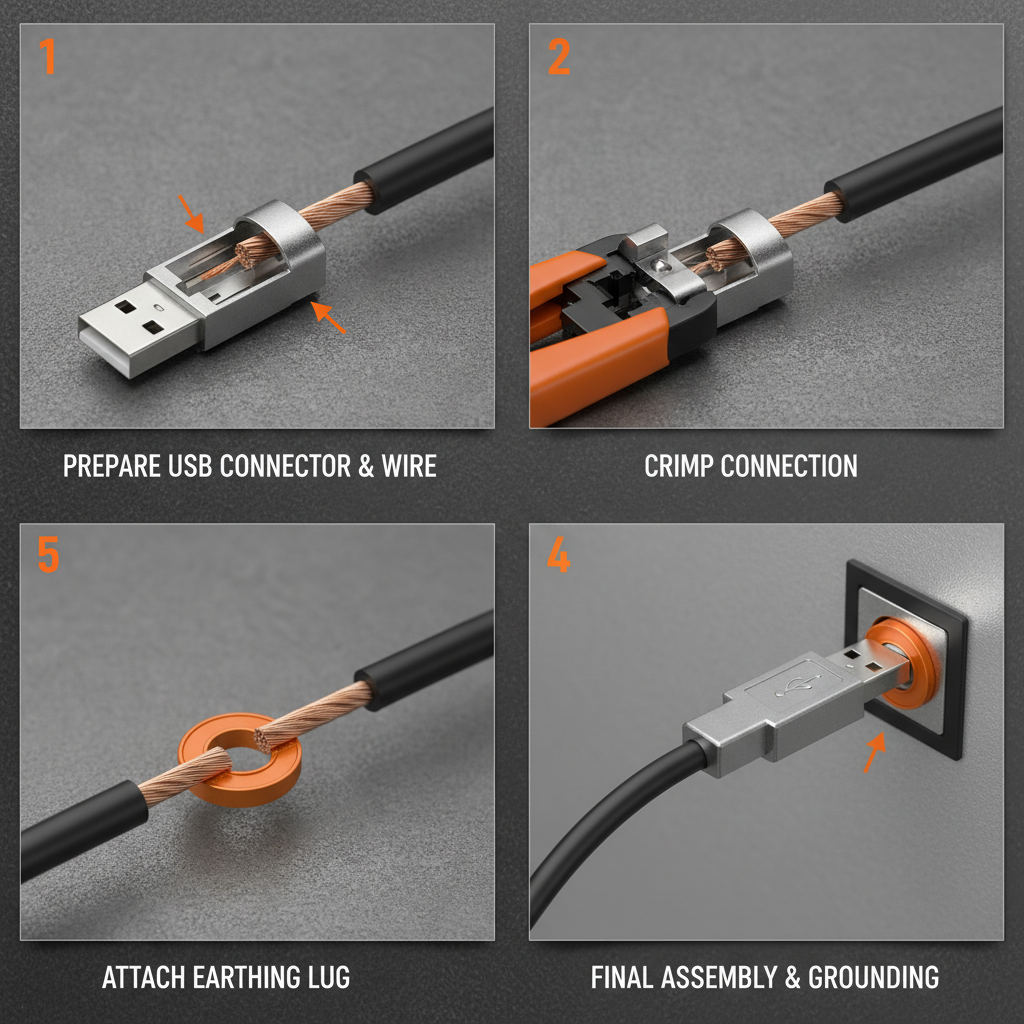
A USB earthing cable, also known as a USB grounding cable, is a specialized cable designed to provide a safe path for static electricity to discharge. Unlike standard USB cables which are primarily for data transfer and power delivery, these cables incorporate a grounding wire that connects the USB device to earth ground. This connection prevents the build-up of static charge, which can damage sensitive electronic components. The cable's construction includes a conductive shield and grounding wire ensuring effective ESD protection. These cables are essential for environments where static electricity is a concern, such as electronics manufacturing, repair shops, and data centers.
Key Benefit: Prevents static electricity build-up, safeguarding sensitive electronic components from damage and ensuring data integrity.
Why Use a USB Earthing Cable?
The primary reason to utilize a USB earthing cable is to protect your valuable electronic devices from ESD. Static discharge can occur from various sources, including human touch, movement of materials, and even atmospheric conditions. ESD can cause immediate and catastrophic failure of components or latent damage that leads to premature failure. Beyond protection, earthing cables also contribute to data integrity by minimizing electrical noise and interference. By providing a stable ground reference, these cables help ensure accurate data transmission and reliable device operation.
Benefits of Using USB Earthing Cables:
• Protects against Electrostatic Discharge (ESD)
• Prevents damage to sensitive electronic components
• Enhances data integrity by reducing electrical noise
• Increases the lifespan of electronic devices
USB Earthing Cable vs. Standard USB Cable: A Direct Comparison
While both USB earthing cables and standard USB cables share a similar connector, their internal construction and functionality differ significantly. A standard USB cable focuses solely on data transfer and power delivery. In contrast, a USB earthing cable incorporates an additional grounding wire and shielding specifically designed to dissipate static electricity. This critical difference makes the earthing cable indispensable in environments sensitive to ESD. Choosing the right cable is vital – a standard USB cable will not provide the necessary protection against static discharge. Bilo Powtel's USB earthing cables are designed to meet the most stringent safety standards.
Applications of USB Earthing Cables
USB earthing cables are crucial in a variety of industries and applications. They are commonly used in electronics manufacturing facilities to protect sensitive components during assembly and testing. Repair shops utilize them to safeguard devices while diagnosing and fixing electronic issues. Data centers rely on these cables to prevent ESD damage to servers and network equipment. Furthermore, they are valuable for anyone working with sensitive electronics in environments prone to static buildup. These cables are a small investment that can prevent costly repairs and data loss.
Key Considerations When Selecting a USB Earthing Cable
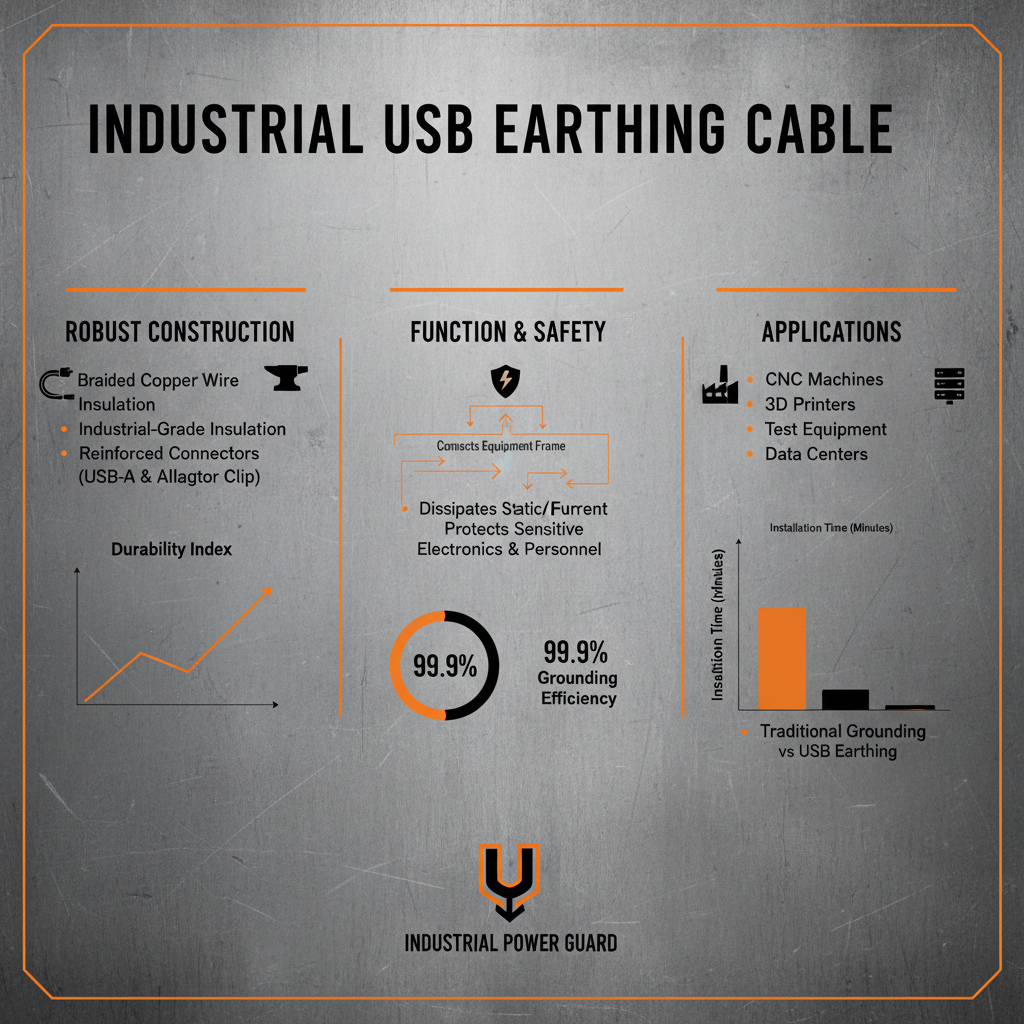
When choosing a USB earthing cable, consider the following factors: Cable length – ensure it’s sufficient for your application. Connector type – match the cable to the USB port on your device. Shielding quality – look for cables with robust shielding to effectively dissipate static charge. Wire gauge – a lower gauge (thicker wire) provides better grounding. Build quality – opt for durable cables built to withstand repeated use. Bilo Powtel offers a variety of earthing cables to suit different requirements.
Conclusion: Protecting Your Electronics with the Right Cable
Investing in a quality USB earthing cable is a proactive step towards safeguarding your valuable electronic devices from the damaging effects of electrostatic discharge. By understanding the benefits, applications, and key selection criteria, you can ensure you choose the right cable for your needs. Don't compromise on protection – choose Bilo Powtel for reliable and effective grounding solutions.
Frequently Asked Questions (FAQs)
How often should I replace my USB earthing cable?
The lifespan of a USB earthing cable depends on usage and handling. Regularly inspect the cable for any signs of physical damage, such as fraying, cuts, or loose connections. If any damage is detected, the cable should be replaced immediately. As a general guideline, it's advisable to replace the cable every 1-2 years, even if no visible damage is present, to ensure continued effective grounding. The internal resistance of the grounding wire can increase over time, diminishing its effectiveness. Bilo Powtel offers durable and long-lasting cables.
Can I use a standard USB cable as an earthing cable?
No, you should never use a standard USB cable as an earthing cable. Standard USB cables lack the necessary grounding wire and shielding to provide effective ESD protection. Using a standard cable in this application can render the grounding ineffective and potentially damage your electronic equipment. Only use cables specifically designed and labeled as USB earthing cables to ensure proper protection.
What industries benefit the most from using USB earthing cables?
Industries that handle sensitive electronic components and are prone to static electricity buildup benefit the most. This includes electronics manufacturing, computer repair, telecommunications, data centers, laboratories, and any environment where ESD is a concern. Protecting valuable equipment and ensuring data integrity are paramount in these sectors, making USB earthing cables essential.
Latest news
Precision Lifting and Pulling with the Lever Block 0.5 Ton Guide
NewsApr.16,2026
Precision Engineering Guide for High Performance Jet Lever
NewsApr.16,2026
Ultimate Guide to Choosing the Professional Industrial hoist lever
NewsApr.16,2026
Industrial Hoist Lever Chain Guide for Heavy Lifting and Rigging
NewsApr.16,2026
Industrial Lever Hoist Guide for Efficient Lifting and Pulling
NewsApr.16,2026
Ultimate Guide to Hand Ratchet Lift for Heavy Industrial Lifting
NewsApr.16,2026
- CONTACT
- ADDRESS: 188, Fengshou Road, Shijiazhuang. China
- EMAlL: info@bilopowtel.com
- PHONE: 0086-311-88862036
- WHATSAPP: 0086-152-26563165


