



Mar . 05, 2026 01:45 Back to list
Comprehensive Guide to Utilizing a 6ft Ground Rod for Optimal Safety
Understanding the Versatility of a 6ft Ground Rod
A 6ft ground rod is a crucial component in establishing a safe and effective grounding system for various applications, ranging from residential electrical setups to large-scale industrial operations. It provides a low-resistance path for electrical current to dissipate into the earth, protecting people, equipment, and structures from hazardous voltage levels. Choosing the right ground rod is essential, and BiloPowTel offers a range of solutions to meet diverse needs. This article will comprehensively explore the applications, benefits, installation, and factors to consider when selecting a 6ft ground rod.
Key Applications of a 6ft Ground Rod
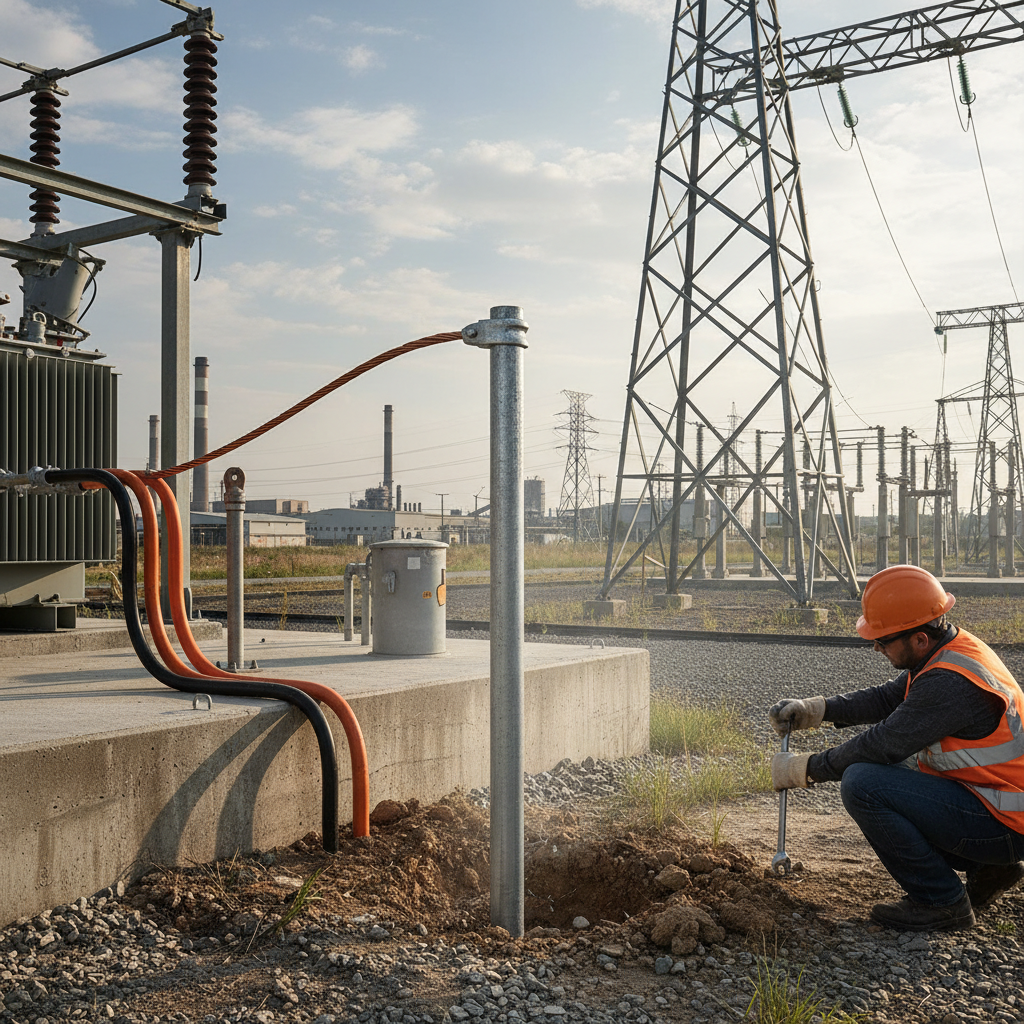
The applications for a 6ft ground rod are widespread. In residential settings, they are critical for grounding electrical services, protecting against power surges and ensuring the safety of appliances and occupants. For telecommunications infrastructure, ground rods are vital for grounding towers, equipment shelters, and lightning protection systems. Industrial facilities rely on ground rods for grounding machinery, minimizing electrical noise, and preventing damage to sensitive electronics. Additionally, they are essential in renewable energy installations like solar panel arrays. Proper grounding via a 6ft ground rod reduces the risk of electrical shock and equipment failure.
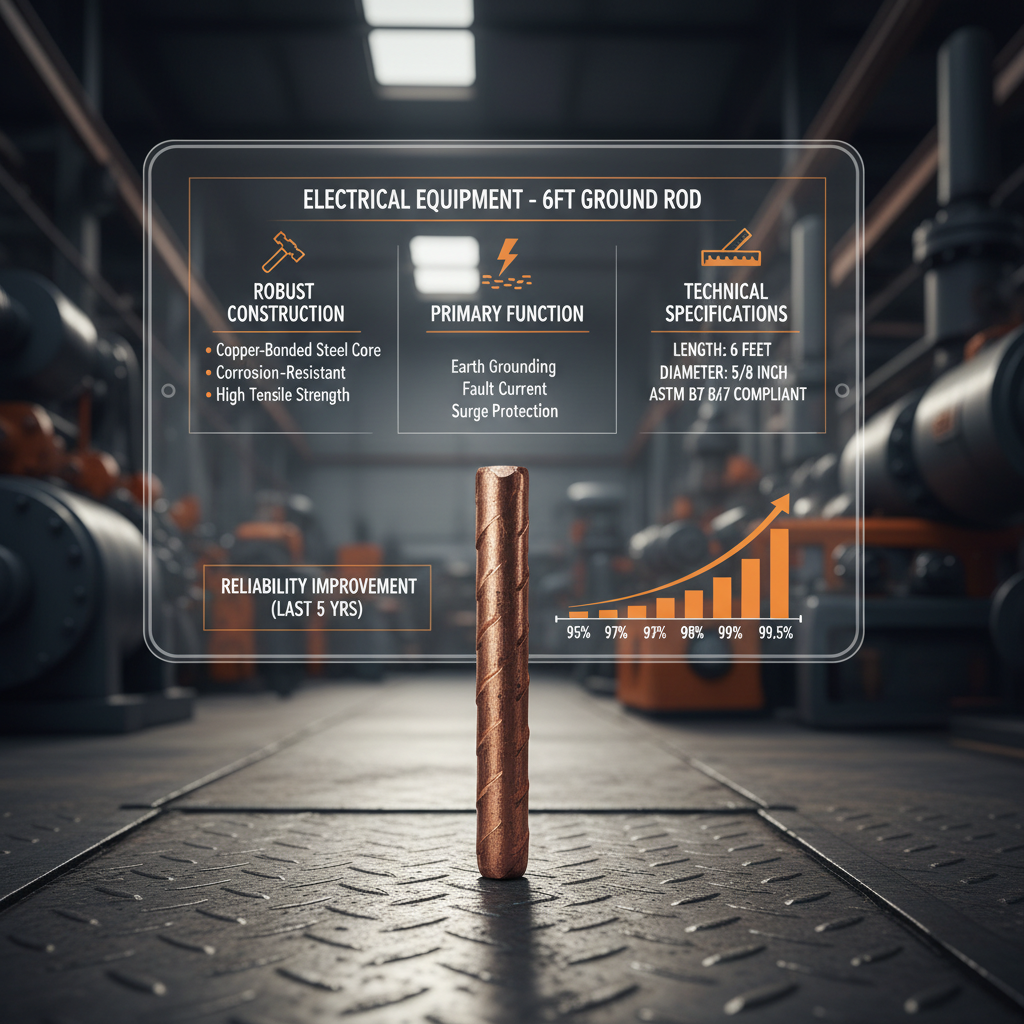
Key Highlights: A 6ft ground rod provides a low-resistance path to earth, protecting personnel and equipment from hazardous electrical voltages.
Materials and Construction of 6ft Ground Rods
6ft ground rods are typically constructed from copper, copper-clad steel, or galvanized steel. Copper offers the lowest resistance to grounding, making it ideal for high-performance applications. Copper-clad steel provides a cost-effective balance between conductivity and strength, with a steel core for durability and a copper outer layer for effective grounding. Galvanized steel is the most affordable option but has higher resistance and may be less suitable for demanding environments. The choice of material depends on the specific application, soil conditions, and budget.
Material Comparison:
• Copper: Excellent conductivity, highest cost.
• Copper-Clad Steel: Good conductivity, moderate cost, durable.
• Galvanized Steel: Lower conductivity, lowest cost.
Factors Influencing Ground Rod Effectiveness
The effectiveness of a 6ft ground rod isn’t solely based on its material. Several factors influence its performance. Soil resistivity is paramount – sandy or rocky soil offers higher resistance than moist clay. Proper installation is crucial; the rod must be driven fully into the ground to establish a solid connection. Multiple ground rods connected together with a ground wire (grounding grid) can significantly reduce overall resistance. Finally, the quality of the connections between the ground rod, grounding wire, and electrical system is vital to prevent corrosion and maintain a low-resistance path.
Selecting the Right 6ft Ground Rod from BiloPowTel
At BiloPowTel, we offer a comprehensive selection of 6ft ground rods to suit a variety of applications. We provide rods constructed from copper, copper-clad steel, and galvanized steel, with options for different diameters and thread types. Our team can assist you in selecting the most appropriate ground rod for your specific needs, considering factors like soil conditions, electrical load, and budget. We also supply grounding clamps and connectors to ensure a secure and reliable connection.
Installation Best Practices for a 6ft Ground Rod
Proper installation is critical for the effectiveness of a 6ft ground rod. The rod should be driven vertically into the ground using a grounding rod driver, ensuring it is fully embedded and makes good contact with the surrounding soil. Avoid driving the rod into rocky or extremely dry soil, as this can hinder its grounding performance. If necessary, use a grounding enhancement material to improve conductivity. Once installed, securely connect the grounding wire to the rod using a listed grounding clamp. Always follow local electrical codes and regulations during installation.
Conclusion: Ensuring Safety with Reliable Grounding
Investing in a high-quality 6ft ground rod from BiloPowTel is a critical step in ensuring the safety and reliability of your electrical systems. Proper grounding protects against electrical hazards, minimizes equipment damage, and promotes a safe environment for all. Contact us today to learn more about our products and find the perfect grounding solution for your needs.
Frequently Asked Questions (FAQs)
How deep should a 6ft ground rod be driven into the ground?
While it’s called a 6ft ground rod, it's crucial to drive the entire length of the rod into the ground. Ideally, leave only a few inches exposed for connection. This maximizes contact with the surrounding soil, providing the lowest resistance to ground. However, if encountering bedrock or other obstructions, drive the rod as deep as possible, supplementing with additional ground rods to achieve the required grounding performance. Always consult local electrical codes for specific requirements.
Can I use a galvanized steel ground rod in corrosive environments?
While galvanized steel is more affordable, it’s not the best choice for highly corrosive environments (e.g., saltwater areas, chemically treated soil). The galvanization can break down over time, increasing resistance and reducing the effectiveness of the ground rod. In such cases, a copper or copper-clad steel ground rod is recommended, as these materials are more resistant to corrosion. Regularly inspect galvanized steel rods in corrosive environments for signs of deterioration.
What is a grounding grid and when should I use one?
A grounding grid consists of multiple ground rods interconnected with a grounding conductor (wire). It’s used when a single ground rod cannot provide sufficiently low resistance to ground, or when a larger area needs to be protected. Grounding grids are common in industrial facilities, telecommunications towers, and large electrical substations. They provide a more robust and reliable grounding system, minimizing the risk of electrical hazards.
How do I test the effectiveness of a ground rod?
The effectiveness of a ground rod can be tested using a ground resistance tester. This device measures the resistance between the ground rod and a remote earth stake. Lower resistance values indicate a more effective grounding system. The National Electrical Code (NEC) specifies maximum allowable resistance values for grounding systems, which vary depending on the application. It's recommended to have a qualified electrician perform ground resistance testing to ensure compliance and safety.
Latest news
Precision Lifting and Pulling with the Lever Block 0.5 Ton Guide
NewsApr.16,2026
Precision Engineering Guide for High Performance Jet Lever
NewsApr.16,2026
Ultimate Guide to Choosing the Professional Industrial hoist lever
NewsApr.16,2026
Industrial Hoist Lever Chain Guide for Heavy Lifting and Rigging
NewsApr.16,2026
Industrial Lever Hoist Guide for Efficient Lifting and Pulling
NewsApr.16,2026
Ultimate Guide to Hand Ratchet Lift for Heavy Industrial Lifting
NewsApr.16,2026
- CONTACT
- ADDRESS: 188, Fengshou Road, Shijiazhuang. China
- EMAlL: info@bilopowtel.com
- PHONE: 0086-311-88862036
- WHATSAPP: 0086-152-26563165


