



Feb . 25, 2026 01:45 Back to list
Understanding the Critical Role of LED Light Earth Wire for Electrical Safety
Understanding the Importance of LED Light Earth Wire
When working with LED lighting, safety is paramount. One often-overlooked but crucial component is the earth wire, also known as the ground wire. This seemingly simple wire plays a vital role in preventing electrical shocks and ensuring the safe operation of your lighting systems. This article will delve into the significance of the LED light earth wire, its functionality, proper installation, and common issues to watch out for. Ignoring this critical safety feature can have severe consequences, so understanding its purpose is essential for anyone working with or around LED lighting.

What is an LED Light Earth Wire and Why is it Necessary?
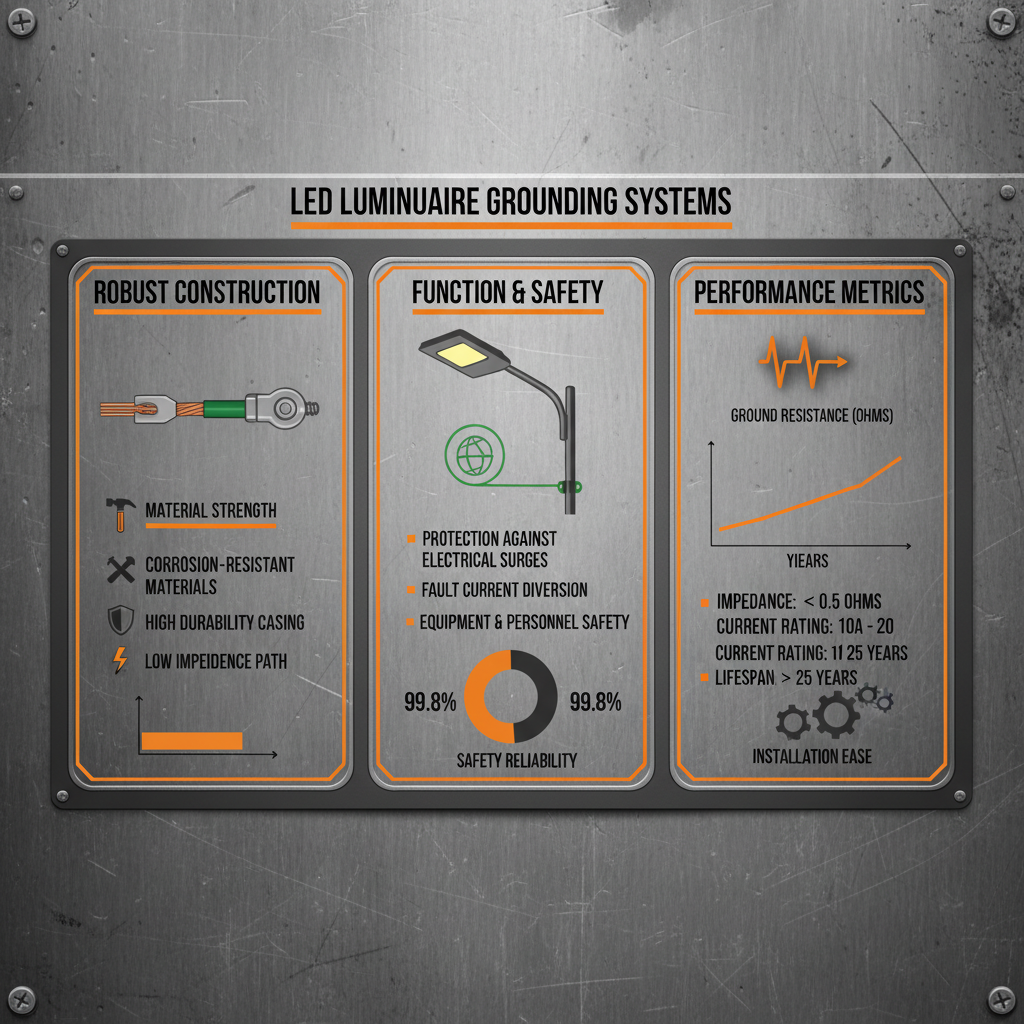
The LED light earth wire, typically green and yellow in color, provides a low-resistance path back to the electrical source in the event of a fault. Its primary function is to prevent electric shock by diverting stray current safely to the ground. Without a properly connected earth wire, a fault can cause the metal casing of the LED light to become energized, posing a significant risk to anyone who touches it. This is especially important in damp or wet environments where the risk of electrical shock is higher. The earth wire doesn't carry current during normal operation; it only becomes active when there's a fault, making it a passive but vital safety component. Investing in quality LED lighting solutions, complete with properly installed earth wires, demonstrates a commitment to safety.
Key Takeaway: The earth wire is a crucial safety feature that protects against electrical shock by providing a low-resistance path to ground in the event of a fault.
Proper Installation of LED Light Earth Wire
Correct installation is critical for the earth wire to function effectively. The wire must be securely connected to the grounding terminal within the LED light fixture and to the main earth connection point in your electrical system. It's vital to use appropriate connectors and ensure a tight, corrosion-resistant connection. Avoid kinks or damage to the wire, as this can increase its resistance and compromise its effectiveness. If you're not confident in your electrical skills, it’s highly recommended to hire a qualified electrician to handle the installation. Incorrect installation can render the earth wire useless, defeating its purpose and creating a safety hazard. Bilopowtel offers detailed installation guides and recommendations for our LED lighting products.
Installation Best Practices:
• Use appropriate connectors for a secure connection.
• Ensure a tight, corrosion-resistant connection.
• Avoid kinks or damage to the wire.
• Consult a qualified electrician if unsure.
LED Light Earth Wire: Comparing Wiring Configurations
There are a few common wiring configurations concerning the earth wire. Understanding these differences can help ensure your setup is safe and compliant. A typical setup involves a three-core cable: live (brown), neutral (blue), and earth (green/yellow). The earth wire is connected to the grounding terminal in both the fixture and the electrical panel. In some cases, particularly with older installations, the earth wire may be connected to a metal conduit system, providing a grounded pathway. It’s crucial to verify that the earth wire is effectively connected throughout the entire circuit. Incorrect wiring or a missing earth wire can lead to dangerous situations.
Common Issues and Troubleshooting
Even with proper installation, issues can arise. Loose connections are a frequent problem, reducing the effectiveness of the earth wire. Corrosion can also build up over time, hindering conductivity. Regularly inspect your electrical connections for any signs of damage or corrosion. If you suspect a problem, immediately disconnect the power and consult a qualified electrician. Never attempt to repair electrical connections yourself if you are not properly trained. Using a continuity tester can help verify the integrity of the earth wire connection, confirming that a continuous path to ground exists. Bilopowtel’s commitment to quality extends to providing reliable and safe LED lighting solutions.
Importance of Regular Testing and Inspection
Regular testing of the earth wire's continuity is crucial. This can be done with a simple continuity tester, which confirms a complete electrical path to ground. Inspections should also be conducted to check for signs of damage, corrosion, or loose connections. These checks should be incorporated into routine maintenance schedules. Ignoring regular testing and inspections can lead to a false sense of security and increase the risk of electrical accidents. Investing in preventative maintenance is a cost-effective way to ensure the ongoing safety of your LED lighting systems.
Conclusion: Prioritizing Safety with the LED Light Earth Wire
The LED light earth wire is a non-negotiable safety component. Understanding its function, ensuring proper installation, and conducting regular inspections are essential steps in preventing electrical hazards. Don't compromise on safety – prioritize the earth wire to protect yourself and others.
Frequently Asked Questions (FAQs)
What happens if the earth wire is not properly connected?
If the earth wire is not properly connected, a fault in the LED lighting system could energize the metal casing, creating a severe electrical shock hazard. Without a path for the current to safely flow to ground, a person touching the fixture could become part of the circuit. This is especially dangerous in damp environments, where water increases conductivity. The risk of serious injury or even fatality is significantly higher when the earth wire is missing or incorrectly installed.
Can I replace the earth wire myself?
While technically possible, replacing the earth wire is not recommended for individuals without proper electrical training. Electrical work can be dangerous and requires a thorough understanding of wiring regulations and safety procedures. Incorrectly installed wiring can create fire hazards or electrical shock risks. It's always best to hire a qualified electrician to perform any electrical work, including replacing the earth wire. Their expertise ensures the job is done safely and correctly.
How often should I inspect the earth wire connection?
The earth wire connection should be inspected at least annually, and more frequently in harsh environments or where the fixture is subject to vibration or physical damage. During inspection, check for loose connections, corrosion, and any signs of damage to the wire itself. It's also a good practice to test the continuity of the earth wire using a continuity tester to ensure a complete path to ground exists. Preventative maintenance is a small investment that can significantly reduce the risk of electrical accidents.
What color is the earth wire typically?
The earth wire is typically identified by its green and yellow striped color coding. This distinct color scheme is a universal standard to easily identify the earth wire and prevent confusion with the live (brown) and neutral (blue) wires. If you encounter a wire that is not clearly marked or the colors are faded, it's crucial to consult a qualified electrician to correctly identify the function of each wire before proceeding with any work.
Latest news
Precision Lifting and Pulling with the Lever Block 0.5 Ton Guide
NewsApr.16,2026
Precision Engineering Guide for High Performance Jet Lever
NewsApr.16,2026
Ultimate Guide to Choosing the Professional Industrial hoist lever
NewsApr.16,2026
Industrial Hoist Lever Chain Guide for Heavy Lifting and Rigging
NewsApr.16,2026
Industrial Lever Hoist Guide for Efficient Lifting and Pulling
NewsApr.16,2026
Ultimate Guide to Hand Ratchet Lift for Heavy Industrial Lifting
NewsApr.16,2026
- CONTACT
- ADDRESS: 188, Fengshou Road, Shijiazhuang. China
- EMAlL: info@bilopowtel.com
- PHONE: 0086-311-88862036
- WHATSAPP: 0086-152-26563165


