



Mar . 28, 2026 01:45 Back to list
Find the Perfect Lever Hoist for Sale to Enhance Your Lifting Capabilities
Lever Hoist for Sale: A Comprehensive Guide
When it comes to lifting and positioning heavy loads, a lever hoist is an invaluable tool. These compact and powerful devices offer a mechanical advantage, making it easier to lift and control loads in a variety of industrial and commercial settings. This article will provide a detailed overview of lever hoists, covering their benefits, applications, key features, and how to choose the right one for your needs. We’ll explore everything you need to know about a lever hoist for sale.
Understanding Lever Hoists: How They Work
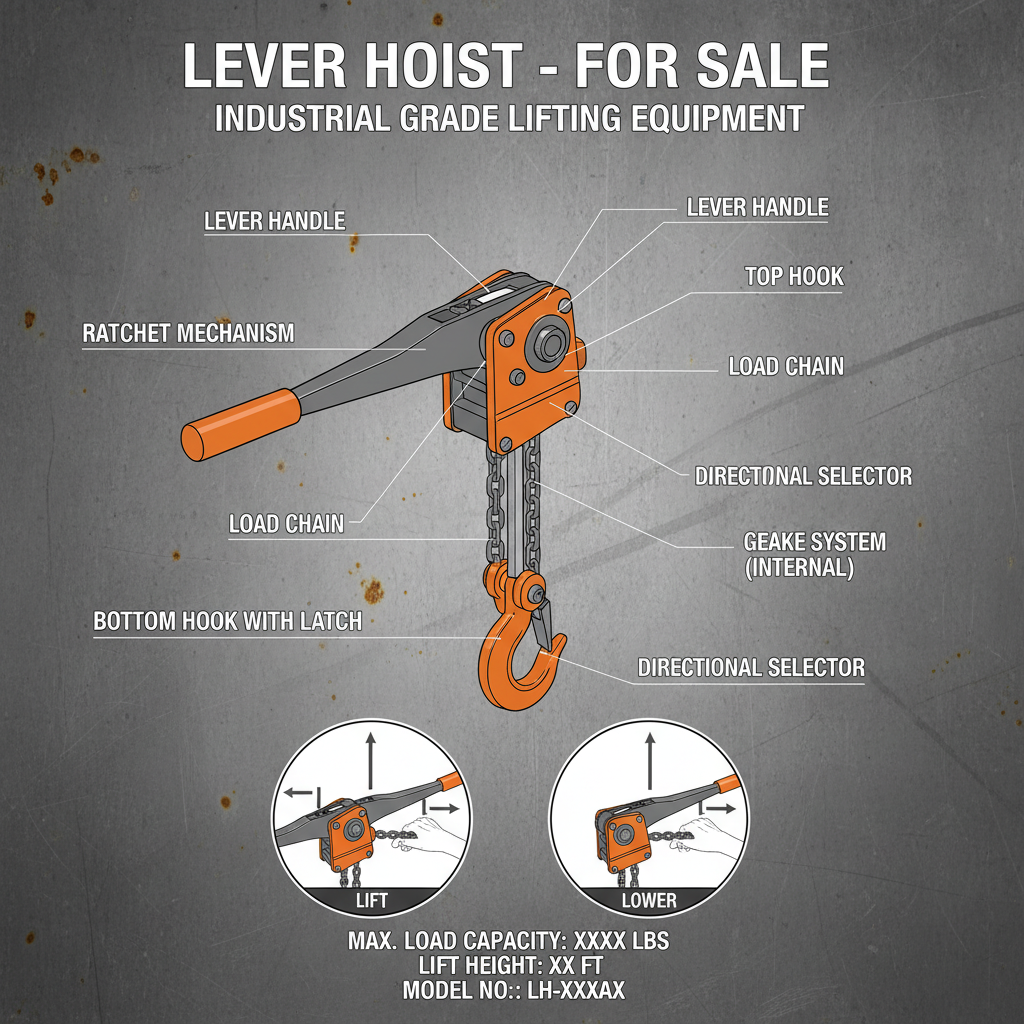
A lever hoist utilizes a simple but effective mechanical principle – the lever. By applying a small force to a long lever arm, a much larger force is generated, allowing you to lift heavy loads with minimal effort. They operate by pulling a hand chain, which in turn engages a gearing system to lift the load. The ratio between the force applied and the force generated is known as the mechanical advantage. This makes them ideal for situations where precise lifting and positioning are required, such as maintenance, repair, and installation tasks. The ease of use and portability of a lever hoist make it a versatile addition to any toolbox.
Key Benefit: Lever hoists offer a significant mechanical advantage, reducing the physical effort required to lift heavy loads and improving safety.
Common Applications of Lever Hoists
Lever hoists find applications across a wide spectrum of industries. In construction, they are used for lifting materials, tools, and equipment. Manufacturing facilities rely on them for positioning machinery and components. Warehouses use them for loading and unloading trucks, as well as for moving pallets and other heavy items. Automotive repair shops employ lever hoists for engine removal and installation. Even in more specialized areas like rigging and stage construction, they play a crucial role. A lever hoist for sale is a sound investment for anyone regularly dealing with heavy lifting.
Application Examples:
• Construction: Lifting building materials.
• Manufacturing: Positioning heavy machinery.
• Warehousing: Loading and unloading goods.
• Automotive: Engine repair and maintenance.
Lever Hoist for Sale: Key Features to Consider
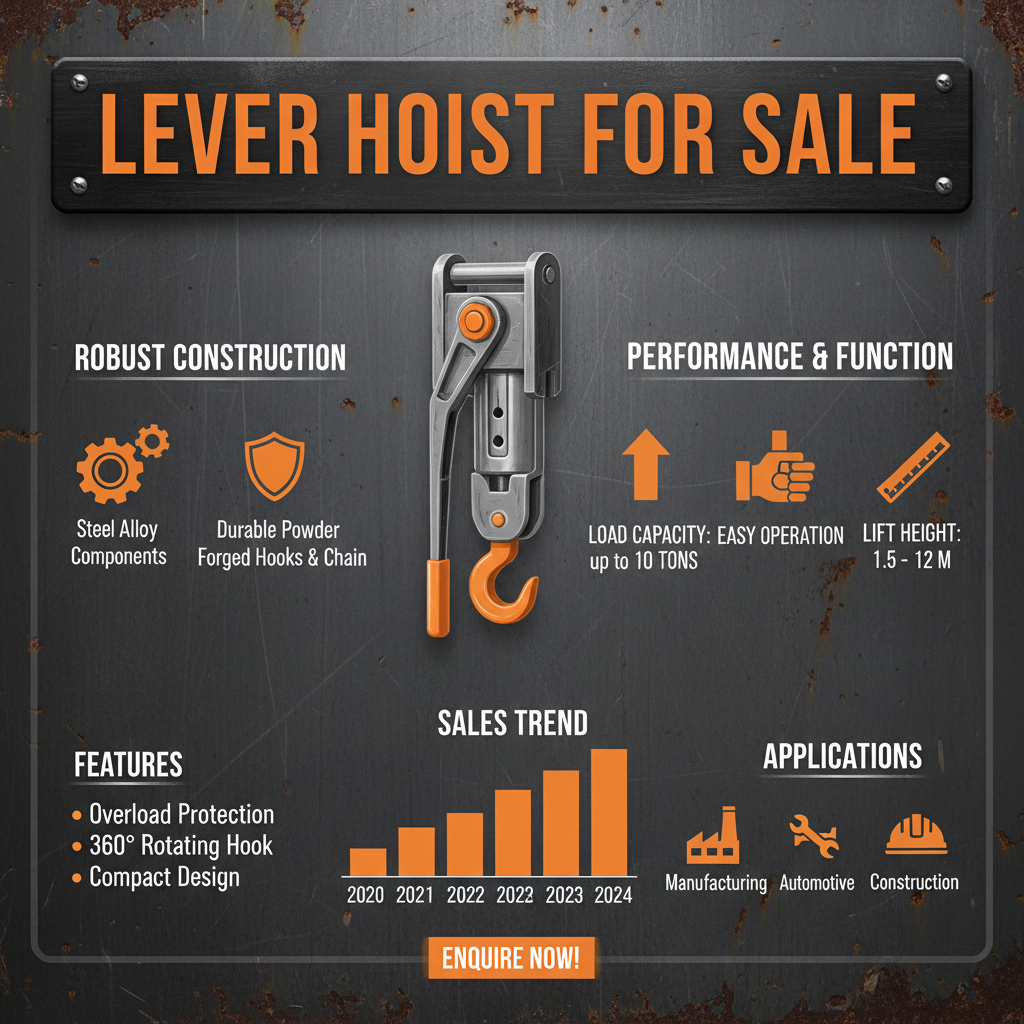
When searching for a lever hoist for sale, several key features should influence your decision. Capacity is paramount – ensure the hoist can handle the maximum weight you'll need to lift. Lifting height is another crucial factor; choose a hoist with sufficient chain length for your applications. The quality of the gearing system and the overall construction materials impact durability and longevity. Look for hoists with hardened steel gears and robust housings. Finally, consider features like overload protection, which prevents damage to the hoist and ensures operator safety.
Lever Hoist vs. Chain Hoist: Which is Right for You?
While both lever hoists and chain hoists are used for lifting, they differ in their operation and applications. Chain hoists typically require continuous pulling to lift a load, while lever hoists allow for incremental lifting with each pull. Lever hoists are generally more compact and portable, making them ideal for confined spaces. Chain hoists often offer higher lifting capacities. The choice between the two depends on your specific needs and the nature of the lifting tasks. For precision and portability, a lever hoist is often the preferred choice.
Choosing the Right Lever Hoist from Bilopowtel
At Bilopowtel, we offer a wide range of high-quality lever hoists to meet diverse lifting needs. Our hoists are manufactured to the highest standards, ensuring durability, reliability, and safety. We provide detailed specifications and technical support to help you select the perfect hoist for your application. We also offer competitive pricing and fast shipping. Browse our selection today and experience the Bilopowtel difference!
Conclusion: Lift with Confidence
Investing in a high-quality lever hoist from Bilopowtel ensures safe, efficient, and reliable lifting for years to come. We’re committed to providing our customers with the best products and service. Don’t compromise on safety – choose Bilopowtel.
Frequently Asked Questions (FAQs)
What is the safe working load (SWL) of a lever hoist?
The Safe Working Load (SWL) is the maximum weight that a lever hoist can safely lift. It’s crucial never to exceed the SWL, as this can lead to equipment failure and potential injury. The SWL is clearly marked on the hoist itself. It’s important to factor in the weight of any slings or lifting attachments when calculating the total load. Always ensure the hoist's SWL is sufficient for the task at hand. Bilopowtel provides detailed SWL information for all our lever hoists.
How do I inspect a lever hoist before use?
Before each use, thoroughly inspect the lever hoist for any signs of damage. Check the chain for wear, kinks, or broken links. Examine the hook for cracks or deformation. Ensure the gearing system operates smoothly and engages properly. Also, check the hand chain for proper lubrication and operation. If you find any issues, do not use the hoist and report it for repair or replacement. Regular inspection is vital for ensuring safe operation.
What maintenance is required for a lever hoist?
Regular maintenance is essential for extending the life of your lever hoist. Keep the chain and gears lubricated with a quality lubricant. Clean the hoist regularly to remove dirt and debris. Store the hoist in a dry environment when not in use. Periodically inspect the hoist for wear and tear, and replace any damaged parts promptly. Proper maintenance ensures safe and reliable operation.
Can lever hoists be used outdoors?
While some lever hoists can be used outdoors, it's important to choose a model specifically designed for outdoor use. These hoists are typically treated to resist corrosion and weathering. Always protect the hoist from direct exposure to rain and sunlight when not in use. Avoid using a lever hoist in extreme temperatures or harsh environments. Refer to the manufacturer's specifications for guidance on outdoor use.
Latest news
Precision Lifting and Pulling with the Lever Block 0.5 Ton Guide
NewsApr.16,2026
Precision Engineering Guide for High Performance Jet Lever
NewsApr.16,2026
Ultimate Guide to Choosing the Professional Industrial hoist lever
NewsApr.16,2026
Industrial Hoist Lever Chain Guide for Heavy Lifting and Rigging
NewsApr.16,2026
Industrial Lever Hoist Guide for Efficient Lifting and Pulling
NewsApr.16,2026
Ultimate Guide to Hand Ratchet Lift for Heavy Industrial Lifting
NewsApr.16,2026
- CONTACT
- ADDRESS: 188, Fengshou Road, Shijiazhuang. China
- EMAlL: info@bilopowtel.com
- PHONE: 0086-311-88862036
- WHATSAPP: 0086-152-26563165


