



Mar . 31, 2026 01:45 Back to list
Comprehensive Guide to Jet Lever Hoists Functionality and Safe Usage
Understanding Jet Lever Hoists: A Comprehensive Guide
When it comes to lifting and positioning loads efficiently and safely, jet lever hoists are an indispensable tool in many industries. These compact and powerful devices offer a mechanical advantage that makes lifting heavy objects significantly easier. This article provides a detailed overview of jet lever hoists, covering their functionality, applications, safety considerations, and how to choose the right one for your needs. A well-chosen hoist can dramatically improve workplace efficiency and reduce the risk of manual handling injuries.
How Do Jet Lever Hoists Work?
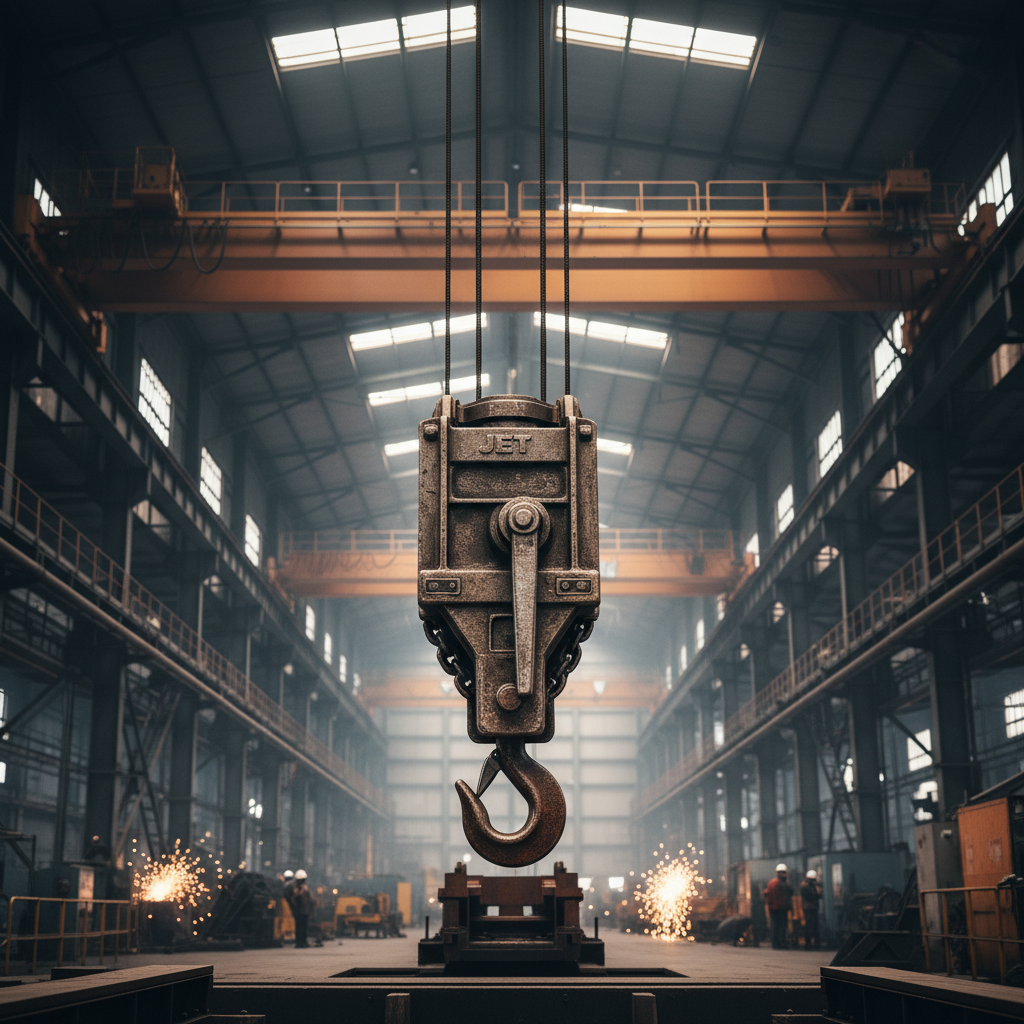
A jet lever hoist utilizes a unique ratchet and pawl mechanism to amplify force. When the handle is pulled, a chain or wire rope is drawn in, lifting the load. The ratchet prevents the load from slipping back down. A small pull on the handle can lift a significantly heavier load. The 'jet' action refers to the quick, incremental lifting achieved with each pull. Unlike chain blocks requiring more effort per lift, jet lever hoists are designed for smooth and controlled operation, even in tight spaces. This makes them ideal for applications where precision and ease of use are paramount.
Key Applications of Jet Lever Hoists
Jet lever hoists find widespread application across numerous sectors, including manufacturing, construction, automotive repair, warehousing, and rigging. They are commonly used for lifting engines, machinery, materials, and other heavy components. In manufacturing, they assist with assembly and maintenance tasks. On construction sites, they aid in the lifting of materials to higher levels. Warehouses utilize them for loading and unloading goods. Their portability and ease of operation make them a versatile lifting solution for various tasks.
Key Benefits: Compact design for use in confined spaces, Lightweight and portable, Smooth and controlled lifting, Durable construction for long-term reliability.
Choosing the Right Jet Lever Hoist: Capacity and Features
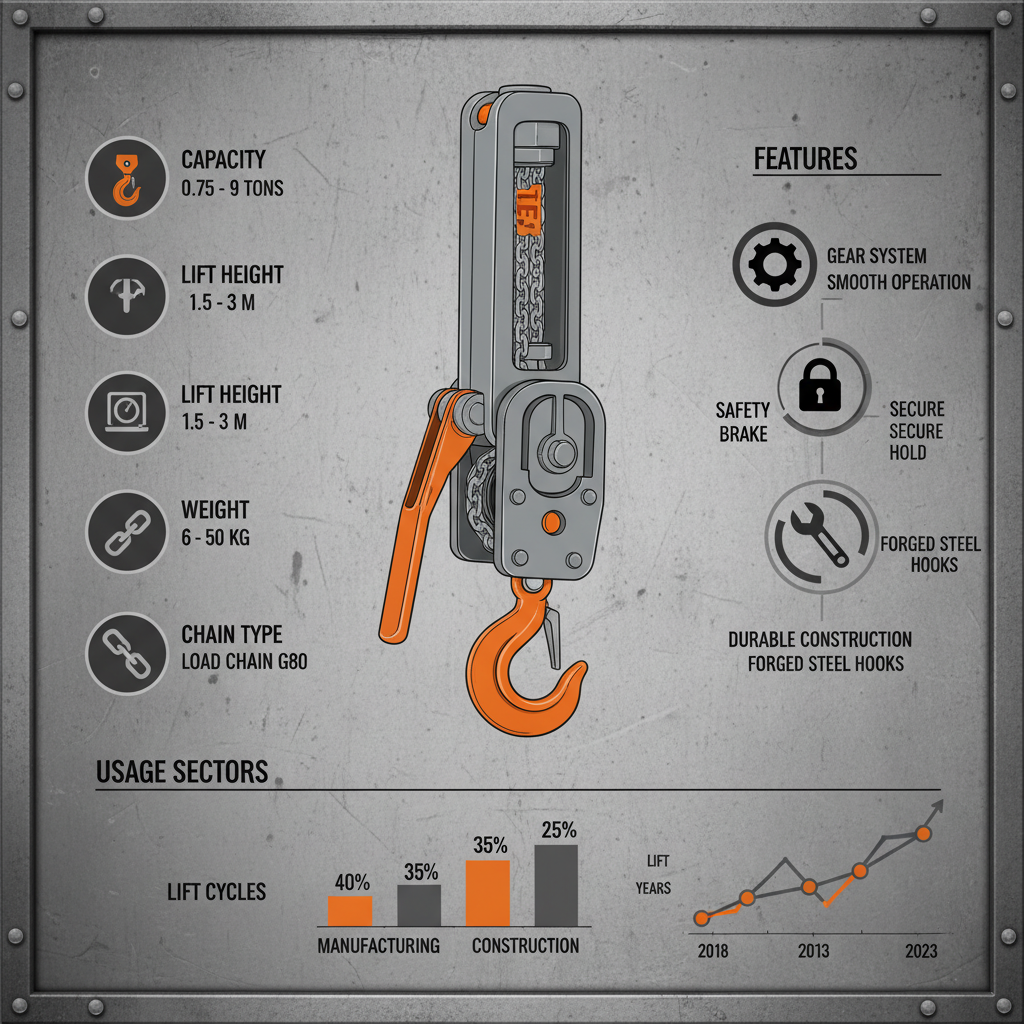
Selecting the appropriate jet lever hoist requires careful consideration of several factors. The most important is the required lifting capacity. Always choose a hoist with a capacity that exceeds the weight of the heaviest load you intend to lift, providing a safety margin. Other considerations include the lifting height needed, the type of chain or wire rope, and the hoist's overall build quality. Features like overload protection and durable construction contribute to a safer and more reliable lifting experience.
Safety Precautions When Using Jet Lever Hoists
Safety is paramount when operating a jet lever hoist. Always inspect the hoist before each use for any signs of damage, such as worn chains, damaged gears, or a malfunctioning ratchet. Ensure the load is properly secured with appropriate slings or lifting points. Never exceed the rated capacity of the hoist. Avoid side loading or dragging the load. Operators should receive proper training on the safe operation of the equipment and adhere to all relevant safety regulations. Regular maintenance, as recommended by the manufacturer, is crucial for ensuring the hoist's continued safe operation. Bilopowtel provides comprehensive safety guidance with all our jet lever hoists.
Maintenance and Longevity of Your Jet Lever Hoist
Regular maintenance is key to extending the lifespan of your jet lever hoist. Keep the hoist clean and lubricated, paying particular attention to the chain or wire rope. Inspect for wear and tear, and replace any damaged parts promptly. Avoid exposing the hoist to harsh chemicals or corrosive environments. Store the hoist in a dry and protected location when not in use. Following these simple maintenance procedures will ensure reliable performance and prevent costly repairs. Bilopowtel offers maintenance services and replacement parts for all our hoists.
Conclusion: Investing in Quality Jet Lever Hoists
A quality jet lever hoist is an investment in safety, efficiency, and productivity. By understanding their functionality, applications, and safety requirements, you can choose the right hoist for your needs and ensure its long-term reliable performance. Prioritize safety, perform regular maintenance, and adhere to best practices for lifting operations.
Frequently Asked Questions (FAQs)
What is the difference between a jet lever hoist and a chain block?
While both jet lever hoists and chain blocks are used for lifting, they operate differently. Chain blocks require more manual effort per lift, as you need to pull a longer length of chain. Jet lever hoists use a ratchet and pawl mechanism allowing for a shorter pull and quicker, incremental lifting. This makes jet lever hoists easier to use, especially in tight spaces, and reduces operator fatigue. Jet lever hoists are also generally more compact and portable.
What is the typical lifting height available for jet lever hoists?
Standard lifting heights for jet lever hoists vary, but typically range from 1.5 meters (5 feet) to 3 meters (10 feet). However, different models are available with varying lifting heights to accommodate specific application needs. It's important to choose a hoist with a lifting height that is sufficient for your intended use. Custom lifting heights are also available from some manufacturers.
How often should I inspect my jet lever hoist?
Regular inspections are critical for ensuring safe operation. A visual inspection should be conducted before each use, checking for any signs of damage, wear, or malfunction. A more thorough inspection, including lubrication and component checks, should be performed at least once a year, or more frequently if the hoist is used heavily or in harsh conditions. Maintain detailed inspection records.
Latest news
Precision Lifting and Pulling with the Lever Block 0.5 Ton Guide
NewsApr.16,2026
Precision Engineering Guide for High Performance Jet Lever
NewsApr.16,2026
Ultimate Guide to Choosing the Professional Industrial hoist lever
NewsApr.16,2026
Industrial Hoist Lever Chain Guide for Heavy Lifting and Rigging
NewsApr.16,2026
Industrial Lever Hoist Guide for Efficient Lifting and Pulling
NewsApr.16,2026
Ultimate Guide to Hand Ratchet Lift for Heavy Industrial Lifting
NewsApr.16,2026
- CONTACT
- ADDRESS: 188, Fengshou Road, Shijiazhuang. China
- EMAlL: info@bilopowtel.com
- PHONE: 0086-311-88862036
- WHATSAPP: 0086-152-26563165


