



Apr . 07, 2026 01:45 Back to list
Comprehensive Guide to Electric Lever Hoists for Industrial Applications
Understanding Electric Lever Hoists: A Comprehensive Guide
Electric lever hoists are powerful lifting tools used in a wide range of industrial applications, offering a blend of manual lever hoist functionality with the convenience of electric operation. They’re invaluable for tasks requiring precise lifting and positioning of heavy loads, making them a cornerstone of efficient material handling. This article will explore the key features, benefits, applications, and safety considerations surrounding electric lever hoists, providing a detailed overview for businesses and professionals. Selecting the correct hoist is essential to ensure safety and productivity in your operations.
What is an Electric Lever Hoist?
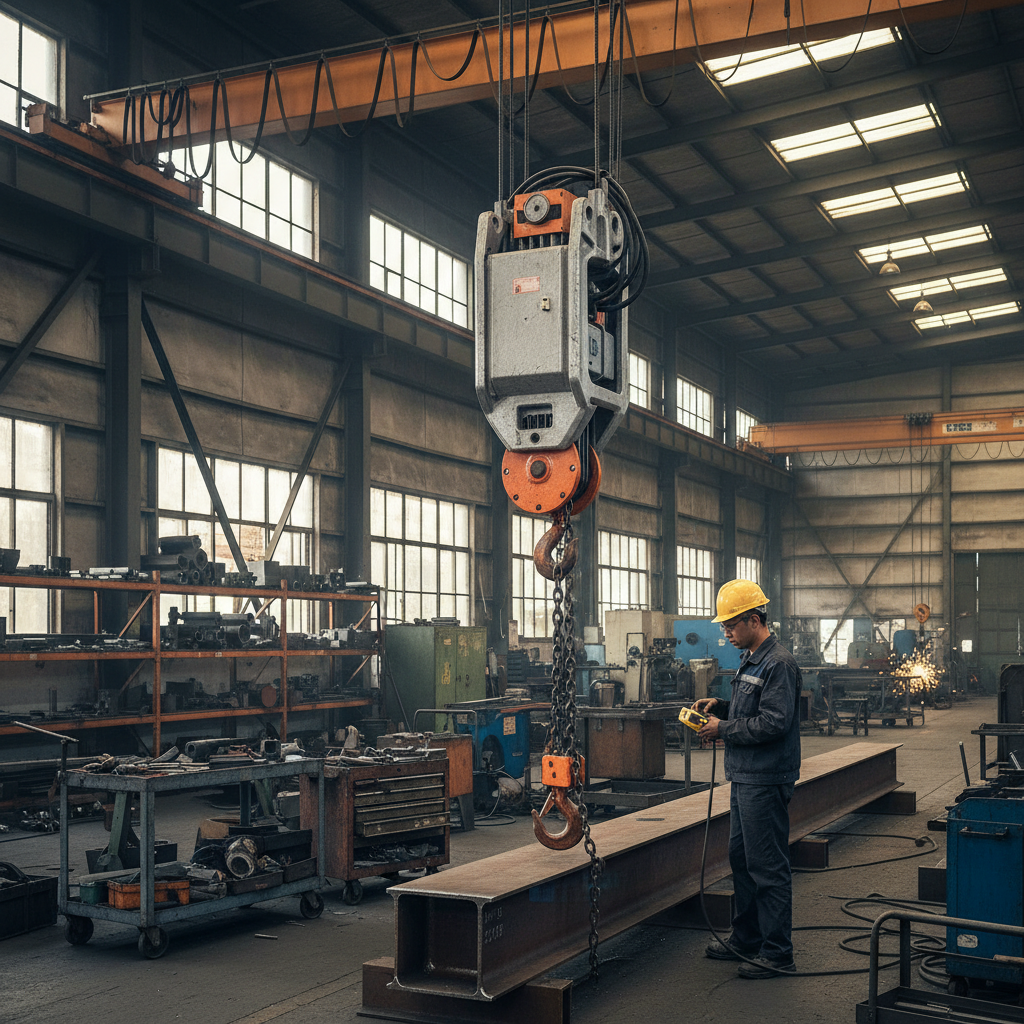
An electric lever hoist combines the mechanical advantage of a lever hoist with the efficiency of an electric motor. Unlike traditional manual lever hoists requiring physical pulling to lift a load, electric models utilize a push-button control to raise and lower weights. This reduces operator fatigue, particularly during frequent or prolonged lifting operations. They are known for their compact design, making them ideal for use in confined spaces. Bilopowtel's electric lever hoists are designed for reliability and durability, offering a significant improvement in workplace efficiency.
Key Benefits: Reduced operator fatigue, increased lifting speed, precise load control, suitable for confined spaces, enhanced safety features.
Key Features of Electric Lever Hoists
Modern electric lever hoists boast a range of features designed for performance and safety. These include overload protection, which automatically stops the hoist when the maximum load capacity is exceeded, preventing damage and potential accidents. Variable speed control allows for precise positioning of the load, while a robust gear system ensures smooth and reliable operation. Many models also feature a durable, corrosion-resistant housing, making them suitable for harsh environments. Bilopowtel prioritizes these features in its product line.
Electric Lever Hoist Applications
The versatility of electric lever hoists makes them ideal for a diverse array of applications. These include manufacturing facilities, where they are used for moving materials and components along production lines; construction sites, for lifting building materials and equipment; warehouses, for loading and unloading trucks; and maintenance and repair operations, for lifting heavy machinery. They are also commonly found in automotive repair shops, rigging applications, and any environment where controlled, precise lifting is required. The compact size and ease of use further expand their applicability.
Common Applications:
• Manufacturing
• Construction
• Warehousing
• Automotive Repair
Choosing the Right Electric Lever Hoist: Capacity and Specifications
Selecting the appropriate electric lever hoist involves considering several key specifications. The most crucial is the load capacity, which should exceed the weight of the heaviest item you intend to lift. The lifting height is another important factor, ensuring the hoist can reach the required elevation. Also consider the power supply (voltage and phase), and the duty cycle – the percentage of time the hoist can operate within a given period. Finally, the environment where the hoist will be used dictates the need for features like corrosion resistance.
Safety Considerations When Using Electric Lever Hoists
Safety is paramount when operating electric lever hoists. Always inspect the hoist before each use, checking for any signs of damage, such as frayed cables, cracks, or malfunctioning controls. Ensure the load is properly secured using appropriate slings and rigging hardware. Never exceed the hoist's rated load capacity. Operators should receive thorough training on proper operation and safety procedures. Regular maintenance, including lubrication and inspection of critical components, is crucial for preventing failures. Refer to the manufacturer's manual for specific safety guidelines.
Conclusion: Enhancing Productivity and Safety with Electric Lever Hoists
Electric lever hoists are invaluable assets for businesses seeking to improve efficiency and safety in their material handling operations. By choosing the right hoist for your specific needs and adhering to proper safety procedures, you can maximize productivity and minimize the risk of accidents. Bilopowtel is committed to providing high-quality, reliable electric lever hoists to meet the diverse needs of industries worldwide.
Frequently Asked Questions (FAQs)
What is the difference between an electric lever hoist and a wire rope hoist?
While both are used for lifting, they differ in their lifting mechanism. Electric lever hoists use a chain, offering more precise control and typically being more compact. Wire rope hoists are generally used for heavier loads and higher lifting heights, but can be less precise and require more headroom. Electric lever hoists are often preferred in situations where space is limited and frequent, controlled lifting is required.
How often should I inspect my electric lever hoist?
Regular inspections are critical for safety. A visual inspection should be performed before each use, checking for visible damage to the hoist, chain, and controls. A more thorough inspection, including checking the brake mechanism and electrical components, should be conducted at least annually, or more frequently depending on usage and operating conditions.
What safety features are essential in an electric lever hoist?
Essential safety features include overload protection, which prevents lifting loads exceeding the hoist’s capacity; emergency stop buttons for immediate halt; and a robust brake system to securely hold the load. A chain guard is also crucial to prevent the chain from becoming damaged or derailed.
Latest news
Precision Lifting and Pulling with the Lever Block 0.5 Ton Guide
NewsApr.16,2026
Precision Engineering Guide for High Performance Jet Lever
NewsApr.16,2026
Ultimate Guide to Choosing the Professional Industrial hoist lever
NewsApr.16,2026
Industrial Hoist Lever Chain Guide for Heavy Lifting and Rigging
NewsApr.16,2026
Industrial Lever Hoist Guide for Efficient Lifting and Pulling
NewsApr.16,2026
Ultimate Guide to Hand Ratchet Lift for Heavy Industrial Lifting
NewsApr.16,2026
- CONTACT
- ADDRESS: 188, Fengshou Road, Shijiazhuang. China
- EMAlL: info@bilopowtel.com
- PHONE: 0086-311-88862036
- WHATSAPP: 0086-152-26563165


