



Mar . 07, 2026 01:45 Back to list
Comprehensive Guide to CAD Welding Ground Rods for Reliable Electrical Grounding
Understanding CAD Welding Ground Rods: A Comprehensive Guide
Grounding is a critical aspect of electrical safety, and the choice of grounding electrode plays a vital role in its effectiveness. CAD welding ground rods offer a superior and permanent connection compared to traditional methods. This article delves into the benefits, applications, installation process, and best practices for using CAD welded ground rods, providing a thorough overview for professionals and those seeking reliable grounding solutions. Investing in a robust grounding system is crucial for protecting people, equipment, and infrastructure. BiloPowTel specializes in providing high-quality ground rods and CAD welding equipment.
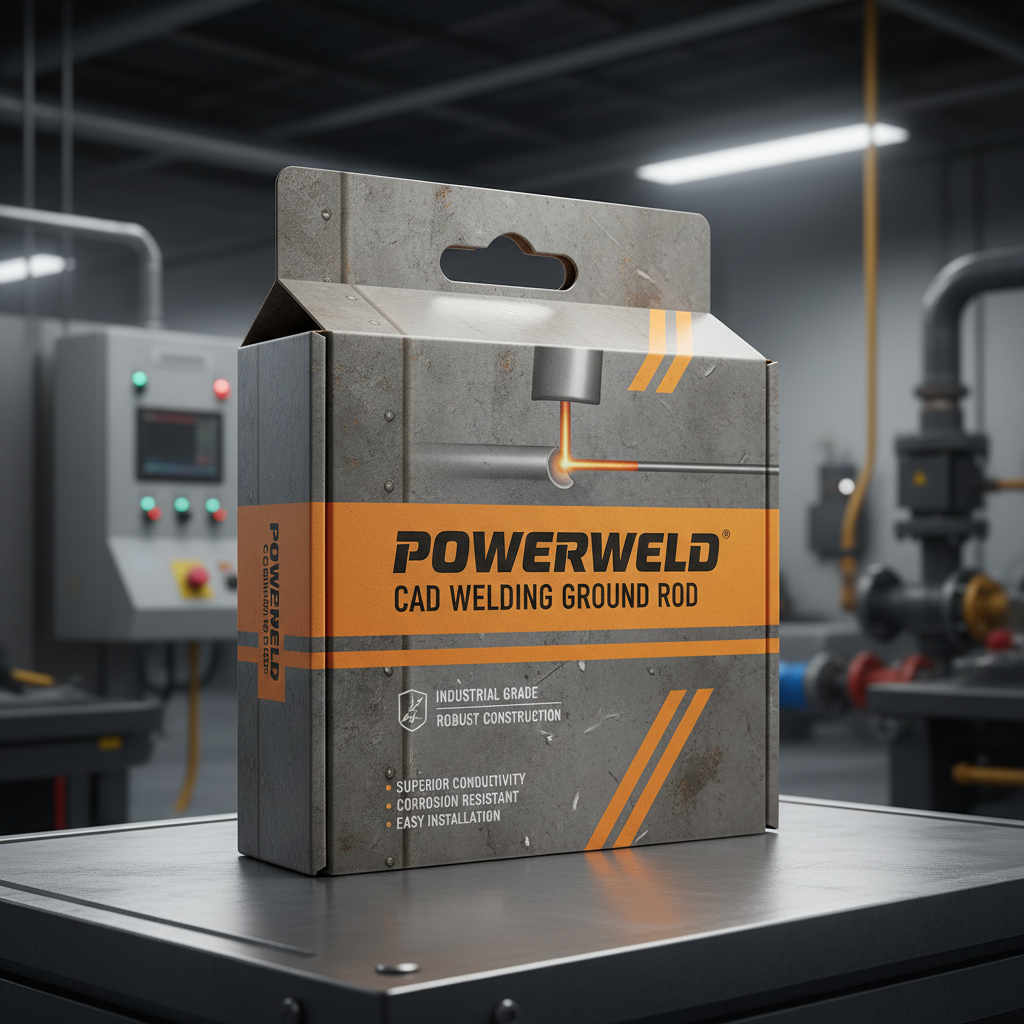
The Advantages of CAD Welding Ground Rods
CAD welding (also known as exothermic welding) creates a permanent, molecular bond between the ground rod and the connecting conductor. This eliminates the corrosion issues associated with mechanical clamps and compression connectors, ensuring long-term reliability. The process is fast, simple, and requires minimal skill after proper training. Furthermore, CAD welded connections have very low resistance, maximizing grounding effectiveness. Unlike screw-type connections that can loosen over time, CAD welds remain stable and secure, offering consistent performance. This makes them ideal for critical applications where grounding integrity is paramount.
Key Highlights: Creates a permanent, molecular bond, eliminating corrosion; fast and simple process; low resistance for optimal grounding; stable and secure connection.
Applications of CAD Welding Ground Rods
CAD welded ground rods are employed in a diverse range of applications, including telecommunications, power generation, transmission and distribution, water and wastewater treatment, and lightning protection systems. They are particularly well-suited for environments with corrosive soil conditions or where high reliability is essential. Specific applications include grounding cell towers, substations, pipelines, and industrial equipment. The robust connection provided by CAD welding ensures that these critical systems remain effectively grounded, protecting against electrical faults and surges. BiloPowTel’s ground rods are designed for optimal performance in various soil types.
Application Areas:
• Telecommunications (Cell Towers)
• Power Generation & Distribution (Substations)
• Water & Wastewater Treatment Plants
• Lightning Protection Systems
CAD Welding Ground Rod: A Comparison with Other Grounding Methods
While several methods exist for grounding, CAD welding consistently outperforms alternatives in terms of long-term reliability and resistance to corrosion. Mechanical clamps, for example, can loosen over time due to vibrations and temperature fluctuations, leading to increased resistance. Direct burial connections are susceptible to corrosion. CAD welding provides a superior, permanent connection that eliminates these concerns. The initial cost may be slightly higher, but the reduced maintenance and improved reliability offer significant long-term savings.
Choosing the Right Ground Rod and CAD Welding Equipment
Selecting the appropriate ground rod length and diameter depends on the soil resistivity and the required grounding resistance. Copper-clad steel ground rods are a common choice, offering a balance of conductivity and strength. BiloPowTel offers a comprehensive range of ground rods to meet diverse application needs. Equally important is the selection of a reliable CAD welding kit. Ensure the kit includes the correct mold size for the ground rod and conductor combination you are using. Proper training on the CAD welding process is essential for achieving a consistent, high-quality weld.
Safety Precautions When CAD Welding
CAD welding involves high temperatures and potentially hazardous materials. Always wear appropriate personal protective equipment (PPE), including safety glasses, gloves, and fire-resistant clothing. Work in a well-ventilated area and avoid welding near flammable materials. Follow the manufacturer's instructions carefully and ensure the welding area is free of moisture. Never attempt to weld if you are not properly trained. Prioritize safety to prevent accidents and ensure a successful weld.
Conclusion: Ensuring Reliable Grounding with CAD Welding
Investing in CAD welded ground rods provides a long-term, reliable, and corrosion-resistant grounding solution. By choosing the right materials, following proper installation procedures, and prioritizing safety, you can ensure the integrity of your grounding system and protect your valuable assets. BiloPowTel is your trusted partner for all your grounding needs, offering high-quality products and expert support.
Frequently Asked Questions (FAQs)
What is the typical lifespan of a CAD welded ground rod connection?
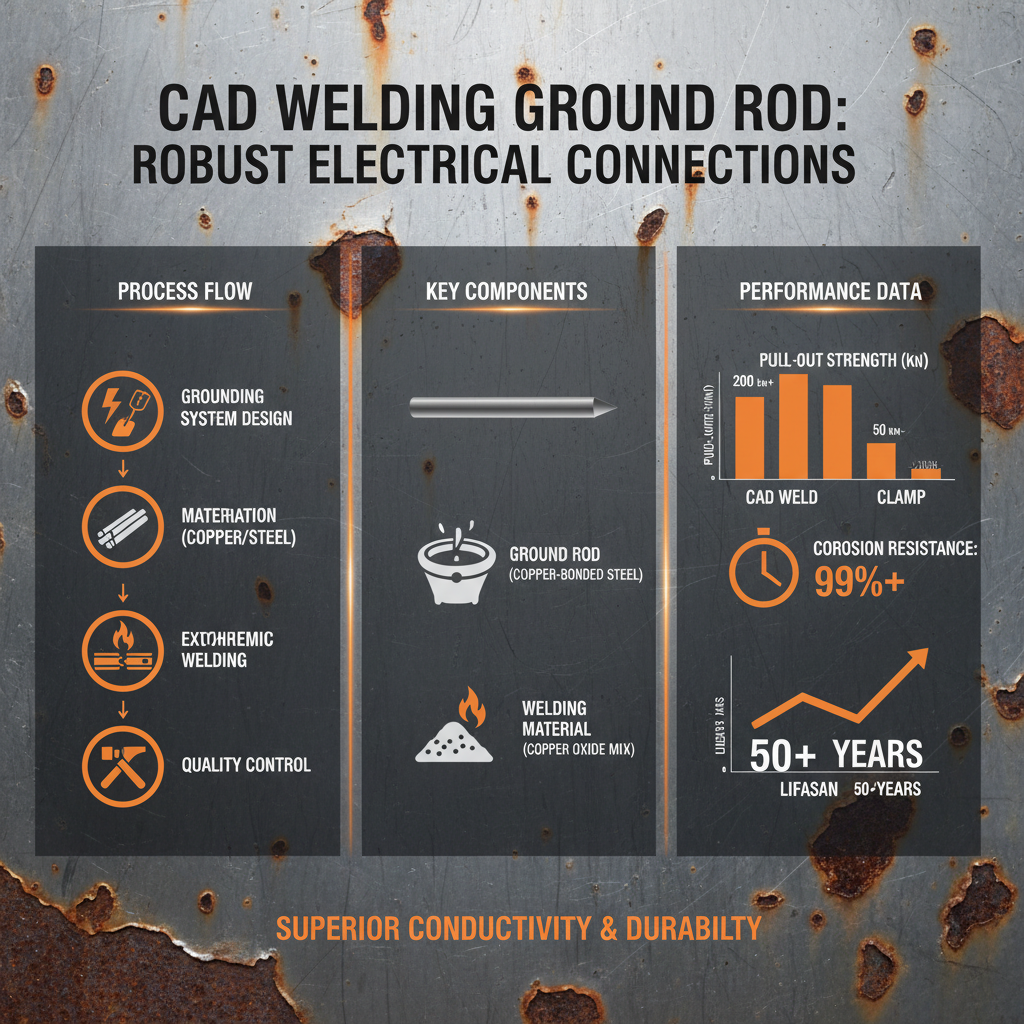
A properly installed CAD welded ground rod connection can last for decades, often exceeding 50 years, with minimal maintenance. The molecular bond created by the welding process prevents corrosion, which is the primary cause of failure in traditional grounding connections. However, periodic visual inspections are recommended to check for any physical damage to the ground rod itself, such as bending or breakage. Soil conditions and environmental factors can influence lifespan, but CAD welding provides the most durable and long-lasting grounding solution available.
What training is required to perform CAD welding?
While CAD welding is relatively straightforward, proper training is crucial for achieving consistent, high-quality welds. Training courses typically cover the principles of exothermic welding, equipment operation, mold selection, and safety procedures. BiloPowTel offers comprehensive training programs to ensure you have the skills and knowledge necessary to perform CAD welding safely and effectively. Hands-on practice is essential for mastering the technique.
Can CAD welding be used on different types of ground rod materials?
CAD welding is primarily used on copper-clad steel ground rods, as the process is designed to create a bond between copper and steel. While it’s possible to weld other metal combinations, the results may not be as reliable. Using the correct mold size and welding powder is essential for achieving a strong, conductive bond. Always refer to the manufacturer's instructions and ensure compatibility between the ground rod material and the welding kit.
What factors affect the resistance of a CAD welded ground rod connection?
Several factors can affect the resistance of a CAD welded ground rod connection, including the quality of the weld, the surface condition of the conductor and ground rod, and the soil resistivity. Ensuring a clean, oxide-free surface before welding is crucial. Using the correct welding powder and mold size, and following proper welding procedures, will result in a low-resistance connection. Soil resistivity varies depending on location and moisture content, and higher resistivity soils may require multiple ground rods or a grounding grid to achieve acceptable resistance values.
Latest news
Precision Lifting and Pulling with the Lever Block 0.5 Ton Guide
NewsApr.16,2026
Precision Engineering Guide for High Performance Jet Lever
NewsApr.16,2026
Ultimate Guide to Choosing the Professional Industrial hoist lever
NewsApr.16,2026
Industrial Hoist Lever Chain Guide for Heavy Lifting and Rigging
NewsApr.16,2026
Industrial Lever Hoist Guide for Efficient Lifting and Pulling
NewsApr.16,2026
Ultimate Guide to Hand Ratchet Lift for Heavy Industrial Lifting
NewsApr.16,2026
- CONTACT
- ADDRESS: 188, Fengshou Road, Shijiazhuang. China
- EMAlL: info@bilopowtel.com
- PHONE: 0086-311-88862036
- WHATSAPP: 0086-152-26563165


