



Mar . 09, 2026 01:45 Back to list
Effective Grounding Systems Utilizing Earthing Rod GI for Enhanced Electrical Safety
Understanding the Role of Earthing Rods GI in Effective Grounding Systems
In the realm of electrical safety and power distribution, grounding plays a crucial role in protecting equipment, preventing electrical shocks, and ensuring the reliable operation of electrical systems. A key component of a robust grounding system is the earthing rod GI, also known as a grounding rod. This article will delve into the importance, types, installation, and maintenance of these vital components, providing a comprehensive guide for professionals and anyone interested in electrical safety. Effective grounding is paramount to ensuring safe and dependable electrical performance.
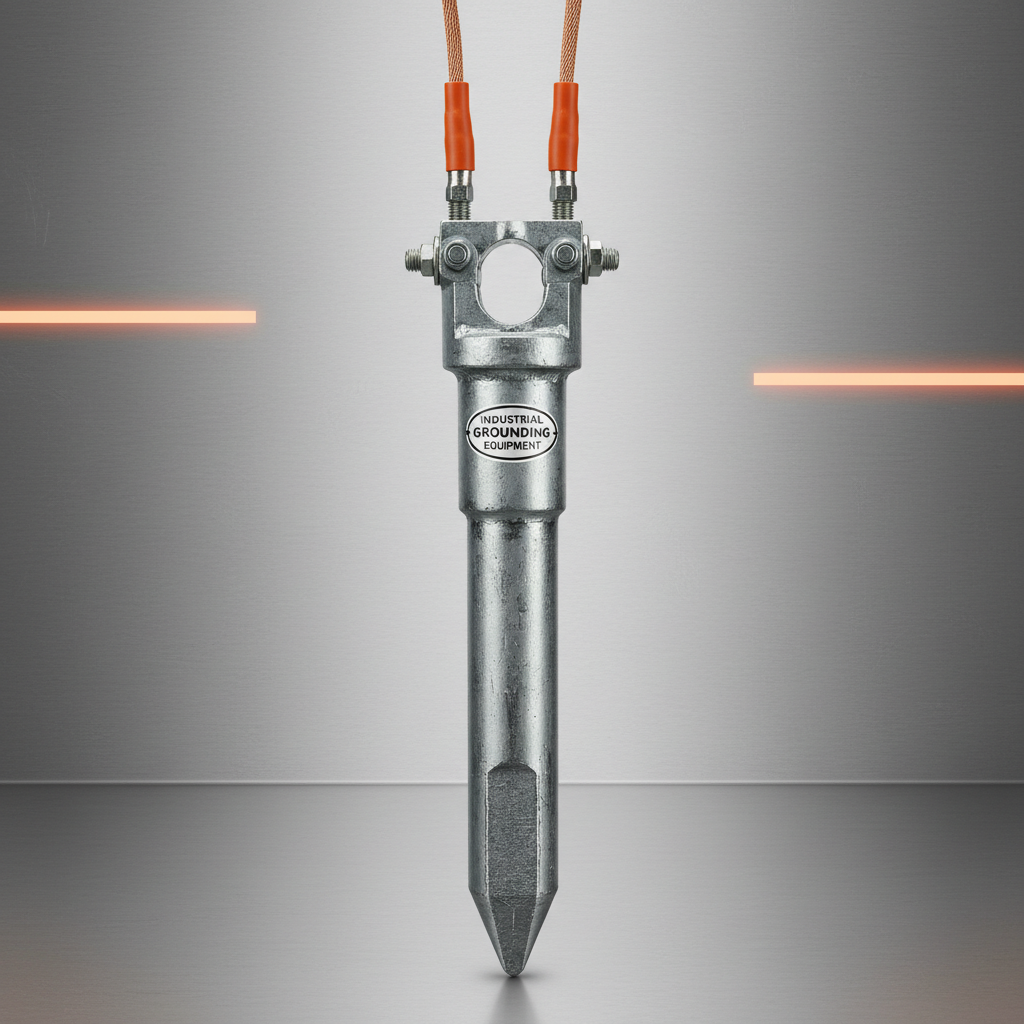
What is an Earthing Rod GI and Why is it Important?
An earthing rod GI is a conductive rod, typically made of galvanized iron (GI), that is driven into the earth to provide a low-resistance path for electrical current to flow in the event of a fault. The 'GI' designation refers to the galvanized iron material, which provides corrosion resistance, extending the lifespan of the rod. Its primary function is to safely dissipate fault currents into the earth, minimizing the risk of electric shock, protecting electrical equipment from damage, and preventing fires. Without a properly installed earthing system, electrical faults can lead to hazardous situations and costly repairs. The rod’s low resistance ensures a quick and effective discharge of fault currents.
Key Benefits: Provides a safe path for fault currents, protects equipment, prevents electric shock, and reduces fire hazards.
Types of Earthing Rods GI
While galvanized iron is a common material, earthing rods are available in various types, differing in material, length, and diameter. Common types include solid rods, hollow rods, and copper-clad steel rods. Solid rods are the most basic and cost-effective option, while hollow rods offer easier driving into the ground. Copper-clad steel rods combine the conductivity of copper with the strength and cost-effectiveness of steel. The choice of rod depends on soil conditions, fault current levels, and budget constraints. Choosing the correct type for your environment is crucial for optimal performance.
Earthing Rod Types:
• Solid GI Rods
• Hollow GI Rods
• Copper-Clad Steel Rods
Earthing Rod GI: Specifications and Standards
Earthing rods GI are manufactured to meet various international standards, ensuring quality and performance. Common standards include IS 3043 (Indian Standard) and IEC 62561. These standards specify requirements for material, dimensions, corrosion resistance, and mechanical strength. Choosing rods that comply with relevant standards is essential for reliable grounding. The specifications vary depending on the application and fault current levels.
Installation of Earthing Rods GI: Best Practices
Proper installation is critical for ensuring the effectiveness of earthing rods. The rod should be driven vertically into the ground to a sufficient depth, typically at least 2.4 meters. Soil resistivity plays a significant role; lower resistivity soil provides a better grounding path. Multiple rods may be required in areas with high soil resistivity, connected by a conductor to form a grid. The connection between the rod and the grounding conductor must be secure and corrosion-resistant. Always follow local electrical codes and regulations during installation. Improper installation can compromise the entire grounding system.
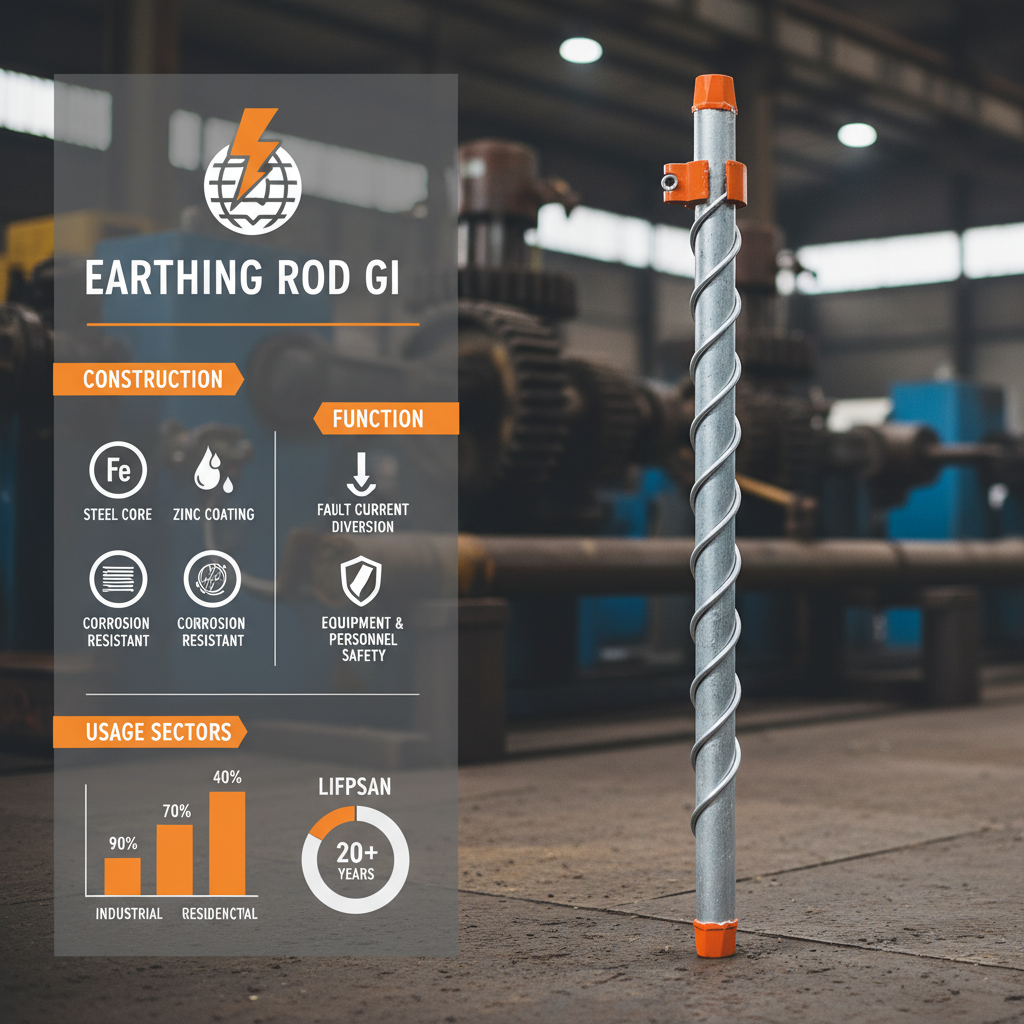
Maintenance and Testing of Earthing Systems
Regular maintenance and testing are essential to ensure the ongoing effectiveness of the earthing system. Periodically inspect the rods for corrosion and damage. Measure the earth resistance using an earth resistance tester to verify that it remains within acceptable limits. Check the connections for tightness and corrosion. Addressing any issues promptly will prevent potential hazards and maintain the reliability of the grounding system. Annual inspections are generally recommended, with more frequent testing in harsh environments. Bilopowtel provides comprehensive solutions and services for earthing systems, including testing and maintenance.
Conclusion: Investing in a Reliable Grounding System
Investing in quality earthing rod GI and ensuring its proper installation and maintenance is a crucial aspect of electrical safety. A well-designed grounding system protects personnel, prevents damage to equipment, and ensures the reliable operation of electrical systems. Prioritizing grounding is a cost-effective way to mitigate risks and enhance the safety of any electrical installation.
Frequently Asked Questions (FAQs)
What is the recommended depth for installing an earthing rod GI?
The recommended depth for installing an earthing rod GI is typically a minimum of 2.4 meters (8 feet). This depth ensures that the rod is placed in soil with consistent moisture content, which is crucial for effective grounding. In areas with shallow bedrock or other obstructions, the depth may need to be adjusted, but never less than the minimum recommended. It's important to consider soil conditions and local regulations when determining the appropriate depth.
How do I determine the appropriate number of earthing rods for my system?
The appropriate number of earthing rods depends on factors such as soil resistivity, fault current levels, and the size of the electrical system. Generally, multiple rods connected in parallel are used in areas with high soil resistivity to reduce the overall earth resistance. A soil resistivity test is crucial for determining the number of rods required. Consulting with a qualified electrical engineer is recommended to ensure proper design and compliance with relevant standards.
What is the importance of using a grounding conductor with the correct size?
The grounding conductor must be sized appropriately to safely carry fault currents back to the source. An undersized conductor can overheat and potentially cause a fire. The size of the grounding conductor is determined by the size of the circuit breaker or fuse protecting the circuit. Local electrical codes specify the minimum grounding conductor size for various circuit configurations. Always refer to these codes and consult with a qualified electrician to ensure proper conductor sizing.
How often should I test the resistance of my earthing system?
It is recommended to test the resistance of your earthing system at least annually. More frequent testing may be necessary in harsh environments or where the system is subject to frequent disturbances. Regular testing ensures that the grounding system remains effective and provides adequate protection. Record the test results for future reference and to track any changes in resistance over time.
Latest news
Precision Lifting and Pulling with the Lever Block 0.5 Ton Guide
NewsApr.16,2026
Precision Engineering Guide for High Performance Jet Lever
NewsApr.16,2026
Ultimate Guide to Choosing the Professional Industrial hoist lever
NewsApr.16,2026
Industrial Hoist Lever Chain Guide for Heavy Lifting and Rigging
NewsApr.16,2026
Industrial Lever Hoist Guide for Efficient Lifting and Pulling
NewsApr.16,2026
Ultimate Guide to Hand Ratchet Lift for Heavy Industrial Lifting
NewsApr.16,2026
- CONTACT
- ADDRESS: 188, Fengshou Road, Shijiazhuang. China
- EMAlL: info@bilopowtel.com
- PHONE: 0086-311-88862036
- WHATSAPP: 0086-152-26563165


