



Mar . 04, 2026 01:45 Back to list
Comprehensive Guide to Grounding Rod and Wire for Electrical Safety
Understanding Grounding Rod and Wire: A Comprehensive Guide
Effective grounding is paramount for electrical safety, protecting people, equipment, and infrastructure from dangerous voltage surges. The system relies heavily on two key components: grounding rods and grounding wire. This article explores the function, types, installation, and best practices associated with these vital components, ensuring a safe and reliable grounding system. A properly implemented grounding system is not just a safety measure; it’s often a regulatory requirement. Understanding these aspects is crucial for anyone involved in electrical work or safety management.
What are Grounding Rods and Why are They Important?
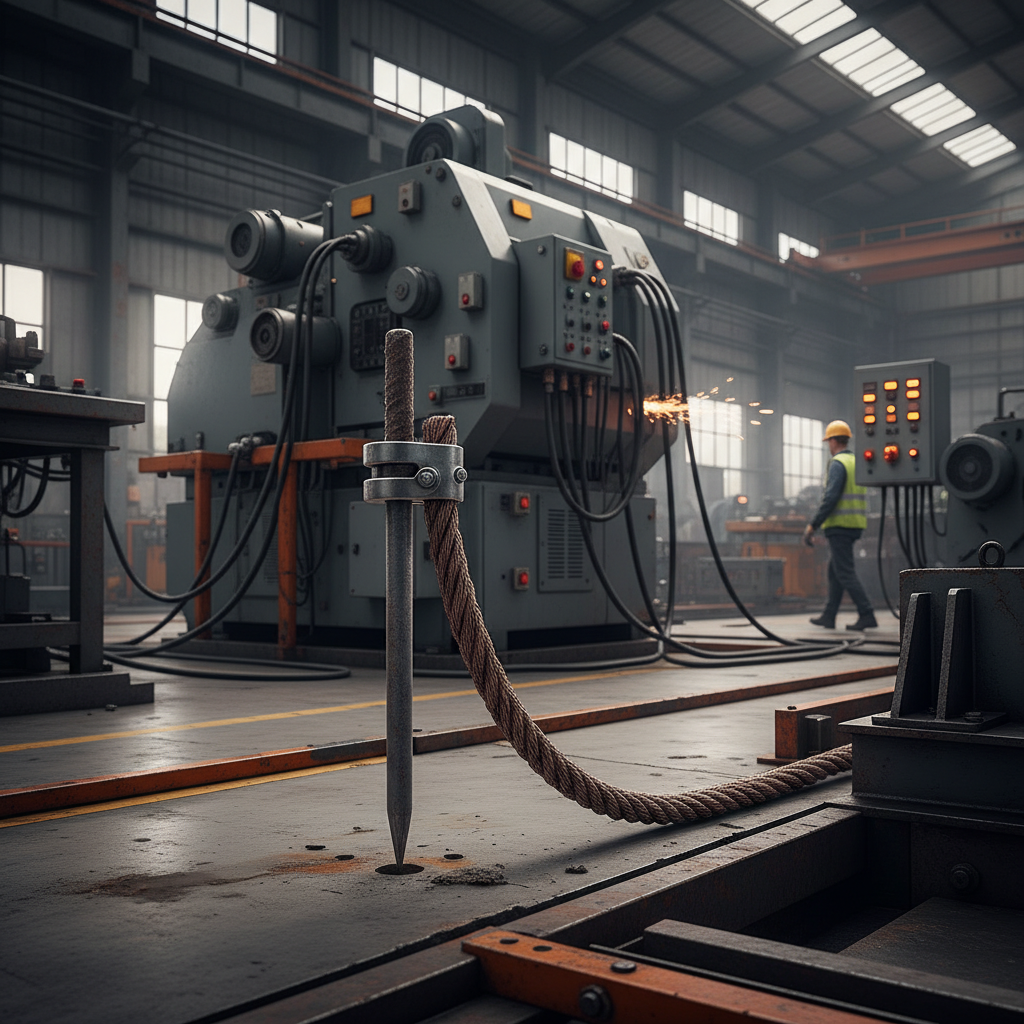
A grounding rod, also known as an earth rod, is a conductive staff – typically made of copper, galvanized steel, or a combination – driven into the earth to provide a low-resistance path for electrical current to dissipate. In the event of a fault, such as a lightning strike or power surge, the grounding rod provides a safe route for the current to flow into the earth, preventing damage to equipment and minimizing the risk of electric shock. The rod’s effectiveness depends on its material, length, and the soil’s conductivity. Bilopowtel offers a range of high-quality grounding rods designed for various soil conditions and applications.
Key Highlights: Grounding rods provide a low-resistance path to earth for fault current. Material, length, and soil conductivity determine effectiveness. Vital for protecting people and equipment.
Grounding Wire: The Connection to Safety
Grounding wire, often copper or aluminum, connects the electrical system – including appliances, equipment, and the service panel – to the grounding rod. This wire provides the essential pathway for fault current to reach the ground. The size (gauge) of the grounding wire is crucial; it must be appropriately sized to handle the potential fault current without overheating and failing. Incorrectly sized grounding wire can render the entire grounding system ineffective. Bilopowtel provides a wide selection of grounding wire in various gauges and materials to meet specific project requirements.
Grounding Wire Benefits:
• Provides a pathway for fault current to the grounding rod
• Protects against electrical shock
• Prevents damage to electrical equipment
• Ensures system compliance with safety codes
Grounding Rod and Wire: Types and Materials
Selecting the right grounding rod and wire depends on several factors, including soil conditions, electrical load, and local codes. Grounding rods are commonly made from:
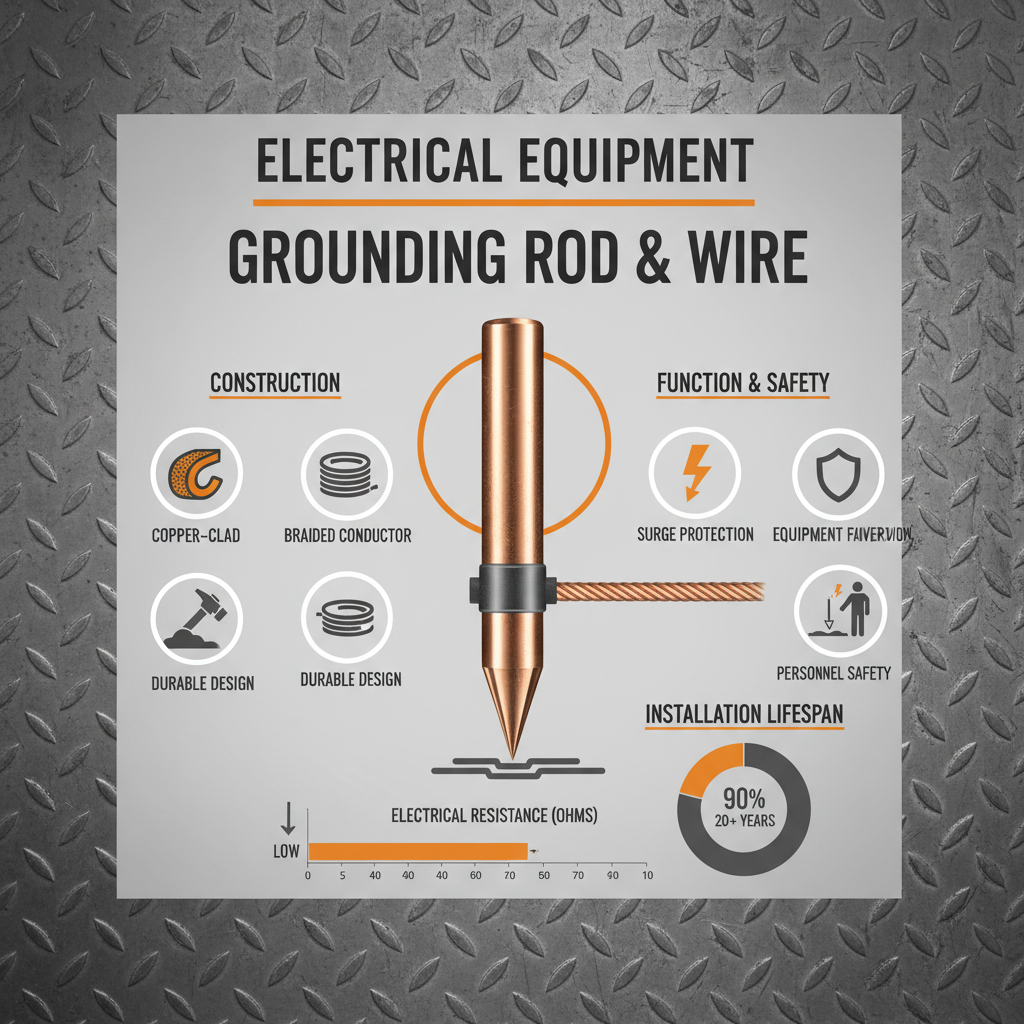
- Copper-Clad Steel: Offers excellent conductivity and corrosion resistance.
- Galvanized Steel: More affordable but less conductive and prone to corrosion over time.
- Solid Copper: Provides the best conductivity but is the most expensive option.
Grounding wire materials typically include:
- Copper: The most common choice, known for its high conductivity.
- Aluminum: Lighter and less expensive than copper but requires larger gauge wires for equivalent conductivity.
Installation Best Practices for Grounding Rods and Wire
Correct installation is just as important as choosing the right materials. Here are some key considerations:
- Rod Depth: Drive the grounding rod at least 8 feet into the ground.
- Rod Spacing: Maintain a minimum of 6 feet between multiple grounding rods.
- Connection: Ensure a secure, corrosion-resistant connection between the grounding wire and the grounding rod using approved clamps.
- Wire Routing: Protect the grounding wire from physical damage by running it through conduit or along protected surfaces.
- Soil Conductivity: In areas with poor soil conductivity, consider using multiple grounding rods or chemical ground rods to enhance the system's effectiveness.
Always consult local electrical codes and regulations for specific requirements.
Maintaining a Reliable Grounding System
Regular inspection and maintenance are vital to ensure the ongoing effectiveness of your grounding system. Check for corrosion on the grounding rod and connections, and ensure the grounding wire is securely attached and undamaged. Periodic testing with a ground resistance tester can verify the system's performance and identify any potential issues. Bilopowtel offers comprehensive resources and support to help you maintain a safe and reliable grounding system.
Conclusion: Prioritizing Safety with Effective Grounding
Investing in quality grounding rods and wire, along with proper installation and maintenance, is a fundamental aspect of electrical safety. A reliable grounding system protects lives, prevents equipment damage, and ensures compliance with safety regulations. Don't compromise on safety – choose quality products and prioritize a well-maintained grounding system.
Frequently Asked Questions (FAQs)
What is the minimum grounding rod depth required?
The National Electrical Code (NEC) generally requires a grounding rod to be driven at least 8 feet into the ground. However, local codes may have more stringent requirements. If rocky or dry soil prevents reaching 8 feet, alternative grounding methods may be necessary. It's vital to consult local electrical codes and a qualified electrician to determine the appropriate depth for your specific location and application. Sufficient depth is crucial to reaching consistently moist soil, which provides the best conductivity for dissipating fault currents.
How do I determine the correct size (gauge) of grounding wire?
The appropriate grounding wire size depends on the size of the service entrance conductors. The NEC provides tables and guidelines for determining the correct gauge based on the ampacity of the service conductors. Generally, larger conductors require larger gauge grounding wires. Using undersized grounding wire can create a bottleneck, limiting the flow of fault current and potentially rendering the grounding system ineffective. Always consult the NEC or a qualified electrician to ensure proper wire sizing for your specific installation.
Can I use multiple grounding rods?
Yes, using multiple grounding rods is often recommended, especially in areas with poor soil conductivity. The NEC allows for multiple grounding rods to be connected together to achieve a lower overall resistance. They should be spaced at least 6 feet apart. Connecting multiple rods creates a more robust and reliable grounding system, increasing the effectiveness of fault current dissipation.
Latest news
Precision Lifting and Pulling with the Lever Block 0.5 Ton Guide
NewsApr.16,2026
Precision Engineering Guide for High Performance Jet Lever
NewsApr.16,2026
Ultimate Guide to Choosing the Professional Industrial hoist lever
NewsApr.16,2026
Industrial Hoist Lever Chain Guide for Heavy Lifting and Rigging
NewsApr.16,2026
Industrial Lever Hoist Guide for Efficient Lifting and Pulling
NewsApr.16,2026
Ultimate Guide to Hand Ratchet Lift for Heavy Industrial Lifting
NewsApr.16,2026
- CONTACT
- ADDRESS: 188, Fengshou Road, Shijiazhuang. China
- EMAlL: info@bilopowtel.com
- PHONE: 0086-311-88862036
- WHATSAPP: 0086-152-26563165


