



Mar . 04, 2026 01:45 Back to list
Comprehensive Guide to Ground Rod Meters for Electrical Safety and Grounding
Understanding Ground Rod Meters: A Comprehensive Guide
Ensuring a proper grounding system is vital for electrical safety and the reliable operation of equipment. A ground rod meter is an essential tool for verifying the effectiveness of this system. This article will delve into the purpose of ground rod meters, how they function, factors to consider when choosing one, and their critical applications. We’ll explore how these devices help maintain safety and prevent costly damage. Understanding ground resistance is crucial, and a reliable meter is the first step towards a secure electrical setup.
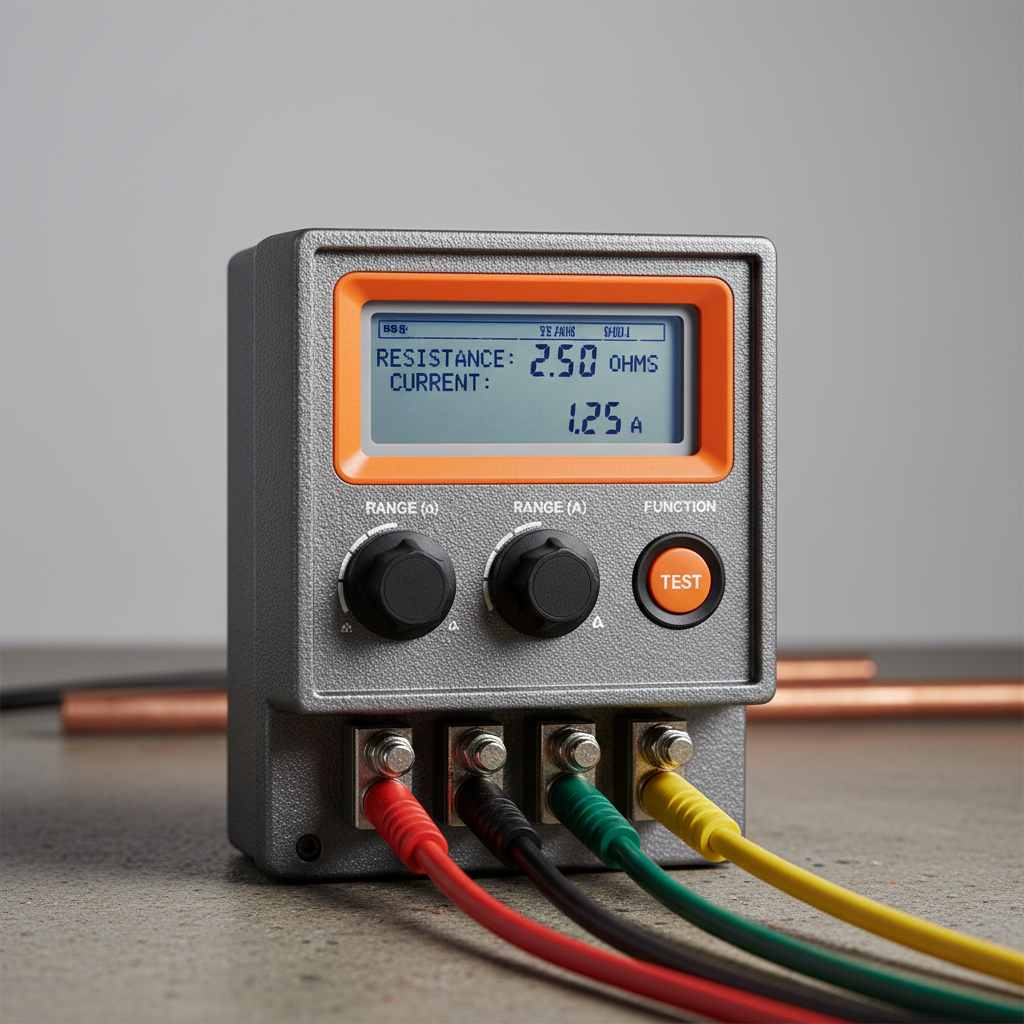
What is a Ground Rod Meter and Why Do You Need One?
A ground rod meter, also known as a ground resistance tester, is a device used to measure the electrical resistance of a ground rod. This measurement is crucial because low resistance indicates an effective ground, allowing fault currents to safely dissipate into the earth. High resistance, conversely, can pose a significant safety hazard and impede the functionality of surge protection devices. Utilizing a ground rod meter allows for proactive identification of grounding issues, ensuring compliance with safety standards and minimizing risks associated with electrical faults. It's not just about safety; a good grounding system also improves the performance and longevity of sensitive electronic equipment.
Key Benefit: Proactive identification of grounding issues ensures safety and minimizes risks associated with electrical faults.
How Does a Ground Rod Meter Work?
Most ground rod meters utilize a three-point fall-of-potential method. This involves driving two auxiliary ground stakes into the earth at varying distances from the ground rod being tested. The meter then applies a known current through the outer stakes and measures the voltage drop between the ground rod and one of the auxiliary stakes. Using Ohm's Law (Resistance = Voltage / Current), the meter calculates the ground resistance. More sophisticated meters may employ clamp-on technology for non-contact measurements, providing a quicker and safer alternative. These often utilize inductive measurements, assessing the magnetic field created by the current flowing in the ground rod.
Three-Point Fall-of-Potential Method:
• Applies a known current through outer stakes.
• Measures voltage drop between the ground rod and an auxiliary stake.
• Calculates resistance using Ohm's Law.
Choosing the Right Ground Rod Meter: Key Considerations
Selecting the appropriate ground rod meter depends on several factors. Accuracy is paramount; look for meters with a specified accuracy percentage. Range is another crucial factor – ensure the meter can measure the expected resistance values for your application. Portability is important for field work, so consider the meter's size and weight. Features like data logging and auto-ranging can also enhance efficiency. Finally, consider the meter’s build quality and durability, especially if you'll be using it in harsh environments. Bilopowtel offers a range of ground rod meters designed to meet diverse needs and environments.
Applications of Ground Rod Meters
Ground rod meters are used in a variety of applications, including residential, commercial, and industrial settings. They are essential for verifying the grounding of lightning protection systems, ensuring the safety of electrical installations, and testing the grounding of telecommunication equipment. Regular testing with a ground resistance tester helps prevent electrical shock, fires, and damage to sensitive electronics. Proper grounding is critical for the reliable operation of solar panel systems, wind turbines, and other renewable energy installations.
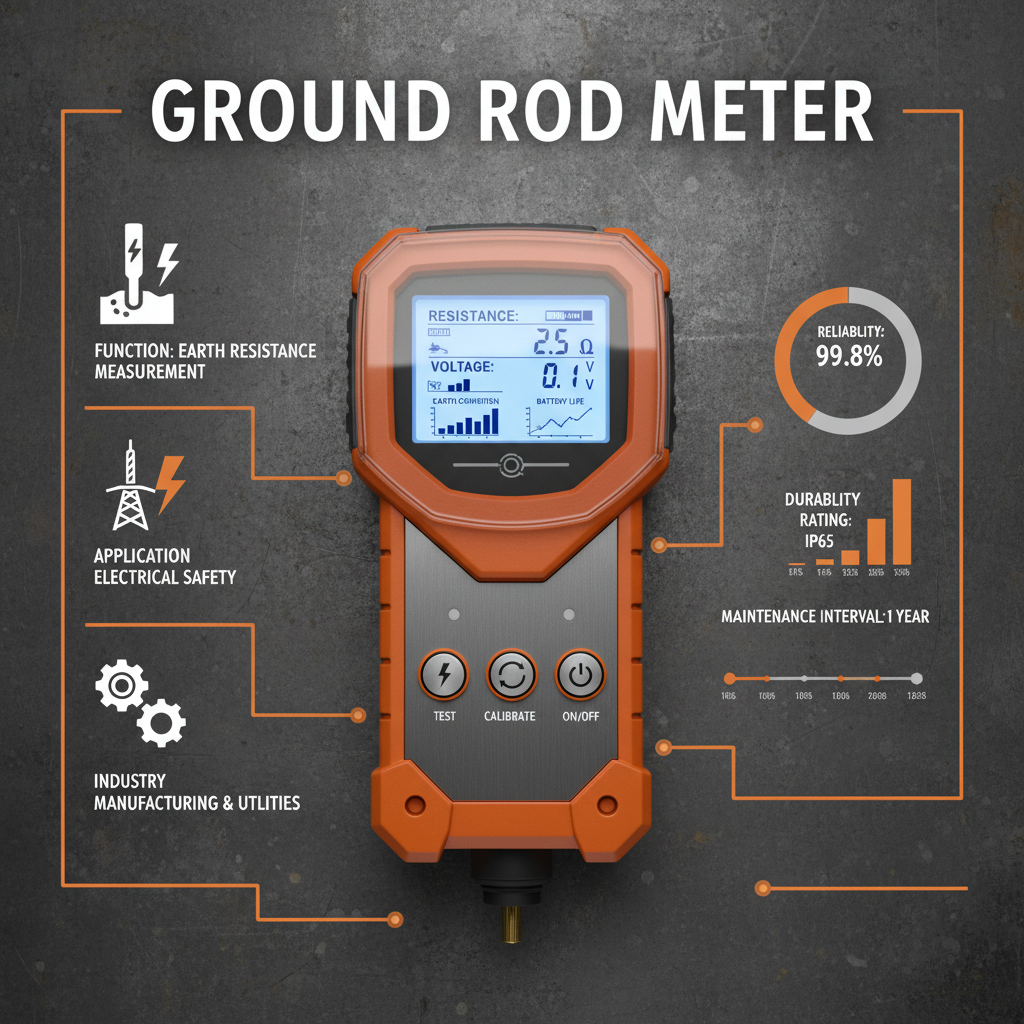
Ground Rod Meter Specifications: A Quick Reference
Here’s a quick overview of typical specifications found in ground rod meters:
Conclusion: Ensuring a Safe and Reliable Grounding System
Investing in a high-quality ground rod meter is a proactive step towards ensuring electrical safety and protecting valuable equipment. Regular testing and maintenance of your grounding system are essential for preventing hazards and ensuring compliance with industry standards. Browse the selection at Bilopowtel to find the perfect meter for your needs.
Frequently Asked Questions (FAQs)
What is considered a good ground resistance reading?
A "good" ground resistance reading generally falls below 5 ohms, as recommended by the IEEE. However, the acceptable level can vary based on local regulations and the specific application. Ideally, you want to achieve the lowest possible resistance. Readings between 5 and 10 ohms are often considered acceptable, but require closer monitoring. Values above 10 ohms indicate a potentially problematic grounding system that requires investigation and remediation. Always consult your local electrical codes for specific requirements.
How often should I test my ground rods?
The frequency of ground rod testing depends on several factors, including the environment, the criticality of the equipment being grounded, and local regulations. A good practice is to perform an initial test after installation and then conduct regular inspections at least once a year. In harsh environments (e.g., coastal areas with corrosive soil) or for critical systems, more frequent testing (e.g., every six months) may be necessary. Any time there is construction or excavation near grounding electrodes, a re-test is recommended.
Can I test a ground rod during a thunderstorm?
Absolutely not. Testing a ground rod during a thunderstorm is extremely dangerous. The presence of lightning creates a highly conductive path to ground, and attempting to measure resistance during such conditions could result in severe electrical shock. Always wait for the storm to pass completely before performing any ground rod testing. Safety should always be the top priority.
What causes high ground resistance?
Several factors can contribute to high ground resistance, including poor soil conductivity, corrosion of the ground rod, loose connections, and insufficient ground rod depth or number. Dry, sandy, or rocky soil offers poor conductivity. Corrosion can increase the resistance at the rod-to-soil interface. Loose connections introduce additional resistance into the circuit. Finally, a ground rod that is too short or not driven deep enough may not make sufficient contact with conductive soil layers.
Latest news
Precision Lifting and Pulling with the Lever Block 0.5 Ton Guide
NewsApr.16,2026
Precision Engineering Guide for High Performance Jet Lever
NewsApr.16,2026
Ultimate Guide to Choosing the Professional Industrial hoist lever
NewsApr.16,2026
Industrial Hoist Lever Chain Guide for Heavy Lifting and Rigging
NewsApr.16,2026
Industrial Lever Hoist Guide for Efficient Lifting and Pulling
NewsApr.16,2026
Ultimate Guide to Hand Ratchet Lift for Heavy Industrial Lifting
NewsApr.16,2026
- CONTACT
- ADDRESS: 188, Fengshou Road, Shijiazhuang. China
- EMAlL: info@bilopowtel.com
- PHONE: 0086-311-88862036
- WHATSAPP: 0086-152-26563165


