



Mar . 28, 2026 01:45 Back to list
Comprehensive Guide to Types of Ground Rods for Effective Grounding Systems
Types of Ground Rods: A Comprehensive Guide
Ground rods are essential components in effective grounding systems, playing a crucial role in electrical safety and protecting equipment from damage. Selecting the right type of ground rod depends on soil conditions, electrical requirements, and budget. This article provides an in-depth look at the various types of ground rods available, their applications, and factors to consider when making a purchase. Understanding the different options will enable you to create a reliable and compliant grounding system. Proper grounding is vital for safeguarding people and property against electrical hazards.
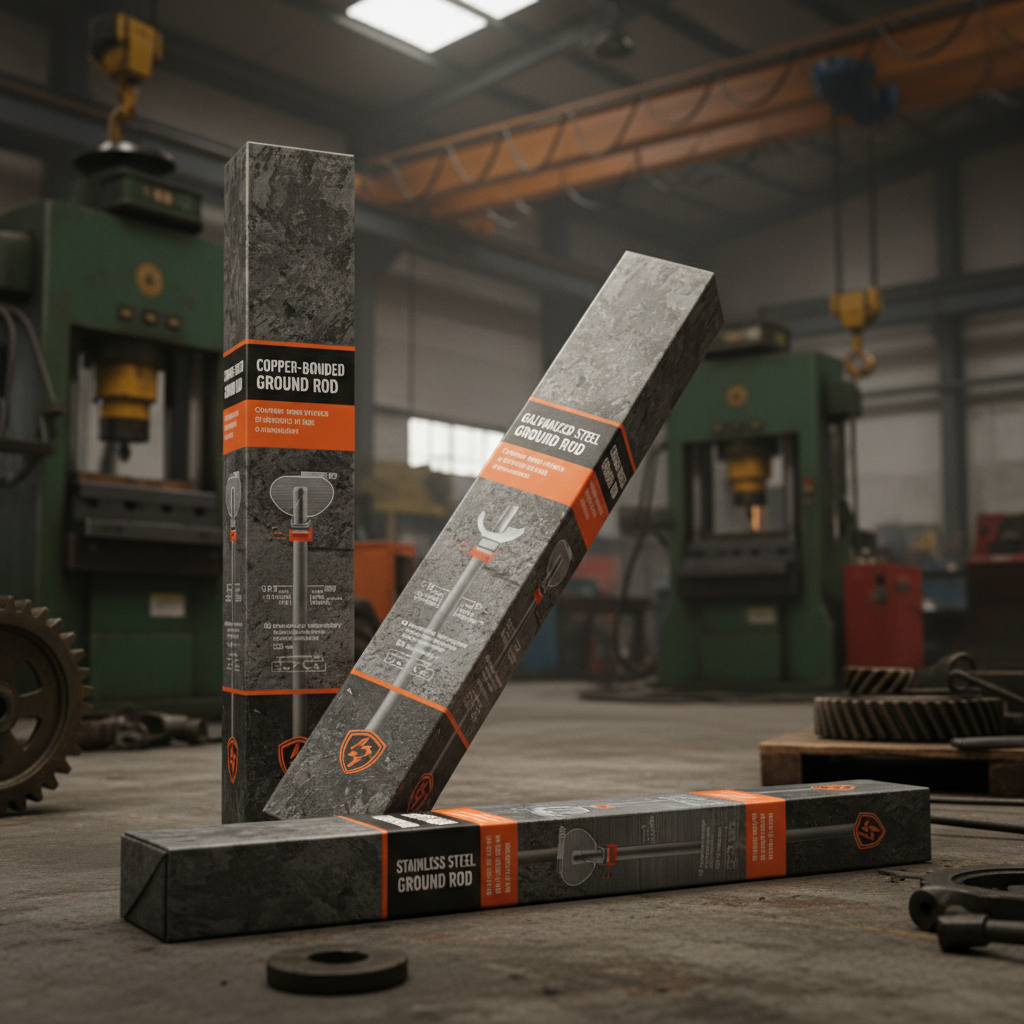
Copper-Clad Steel Ground Rods
Copper-clad steel ground rods are among the most commonly used types. They consist of a steel core covered with a layer of copper. This combination offers the strength of steel and the excellent conductivity of copper. They are suitable for a wide range of soil conditions and are generally more cost-effective than solid copper rods. The steel core provides structural rigidity, making them less prone to bending or breaking during installation, especially in rocky or challenging soils. These rods are available in various lengths and diameters to meet specific grounding needs.
Solid Copper Ground Rods
Solid copper ground rods provide the highest level of conductivity and corrosion resistance. They are ideal for areas with highly corrosive soil conditions, such as coastal regions or areas with high salt content. While more expensive than copper-clad steel rods, their superior performance and longevity often justify the investment. They are relatively soft, so careful installation is needed to prevent bending. Solid copper rods are commonly used in critical applications where reliability is paramount.
Galvanized Steel Ground Rods
Galvanized steel ground rods are coated with a layer of zinc to protect against corrosion. They are a more economical option, but their conductivity is lower than copper or copper-clad steel. While suitable for some applications, they may not be ideal for areas with highly corrosive soils, as the zinc coating can degrade over time. Galvanized steel rods are often used in temporary grounding applications or in situations where cost is a primary concern. Regular inspection and eventual replacement may be necessary to maintain grounding effectiveness.
Stainless Steel Ground Rods
Stainless steel ground rods offer excellent corrosion resistance and good conductivity. They are more expensive than galvanized steel but less expensive than solid copper. They are a good choice for areas with moderately corrosive soils. While strong and durable, they may not offer the same level of conductivity as copper-clad steel or solid copper. Stainless steel rods are often preferred in environments where long-term reliability and minimal maintenance are required.
Helical Ground Rods
Helical ground rods, also known as screw-type ground rods, are installed by screwing them into the ground. They are particularly effective in areas with rocky or dry soils where driving traditional rods can be difficult. They provide a secure and stable connection to the earth and are available in various lengths and diameters. Their installation requires specialized equipment, but can be significantly faster and easier than driving rods in challenging conditions. Bilo Powtel offers a range of helical ground rod solutions.
Key Considerations: Choosing the right ground rod involves considering soil resistivity, corrosion potential, budget, and local electrical codes. Consult with a qualified electrician or grounding specialist to ensure proper selection and installation.
Ground Rod Comparison
Here's a comparison table summarizing the key characteristics of each type of ground rod:
Conclusion
Selecting the appropriate type of ground rod is critical for ensuring a safe and reliable grounding system. Considering factors such as soil conditions, corrosion potential, and budget will help you make the best choice. Bilo Powtel provides a comprehensive range of ground rods and grounding solutions to meet diverse needs. Prioritizing quality and proper installation will protect your equipment and safeguard against electrical hazards.
Frequently Asked Questions (FAQs)
What is the recommended depth for installing a ground rod?
The National Electrical Code (NEC) generally recommends a minimum depth of 8 feet (2.44 meters) for ground rods. However, the optimal depth can vary depending on soil conditions and local regulations. In areas with dry or rocky soil, a deeper installation may be necessary to ensure adequate contact with moisture. It's important to consult local electrical codes and a qualified electrician to determine the appropriate depth for your specific location. Shallower depths may be permissible in consistently moist soil conditions, but this should be verified by a professional.
How do I know if my ground rod is effective?
The effectiveness of a ground rod can be tested using a ground resistance tester. This instrument measures the resistance between the ground rod and a distant grounding electrode. Lower resistance values indicate a more effective grounding system. The NEC specifies maximum allowable ground resistance values, which vary depending on the system voltage. If the ground resistance is too high, additional ground rods or other grounding methods may be required. Regular testing is recommended to ensure continued effectiveness.
Can I connect multiple ground rods together?
Yes, multiple ground rods can be connected together to reduce overall ground resistance. They should be connected using a suitable grounding conductor, typically a copper wire or strap. The connections must be secure and corrosion-resistant. The NEC provides specific requirements for bonding multiple ground rods, including the maximum allowable distance between them. Connecting multiple rods can be particularly beneficial in areas with high soil resistivity or limited space.
Latest news
Precision Lifting and Pulling with the Lever Block 0.5 Ton Guide
NewsApr.16,2026
Precision Engineering Guide for High Performance Jet Lever
NewsApr.16,2026
Ultimate Guide to Choosing the Professional Industrial hoist lever
NewsApr.16,2026
Industrial Hoist Lever Chain Guide for Heavy Lifting and Rigging
NewsApr.16,2026
Industrial Lever Hoist Guide for Efficient Lifting and Pulling
NewsApr.16,2026
Ultimate Guide to Hand Ratchet Lift for Heavy Industrial Lifting
NewsApr.16,2026
- CONTACT
- ADDRESS: 188, Fengshou Road, Shijiazhuang. China
- EMAlL: info@bilopowtel.com
- PHONE: 0086-311-88862036
- WHATSAPP: 0086-152-26563165


