



Mar . 11, 2026 01:45 Back to list
Understanding the Importance of a Fence Ground Rod for Electrical Safety
Understanding the Role of a Fence Ground Rod in Electrical Safety
A fence ground rod is a crucial component of any grounding system, especially when dealing with electrically conductive fences used for livestock control. It provides a pathway for electrical current to safely dissipate into the earth, minimizing the risk of electric shock to animals and humans. This article will delve into the purpose, installation, types, and importance of fence ground rods, offering a comprehensive guide for farmers, ranchers, and anyone managing electric fencing. Proper grounding is not just about safety; it's about ensuring the effectiveness of your electric fence system.
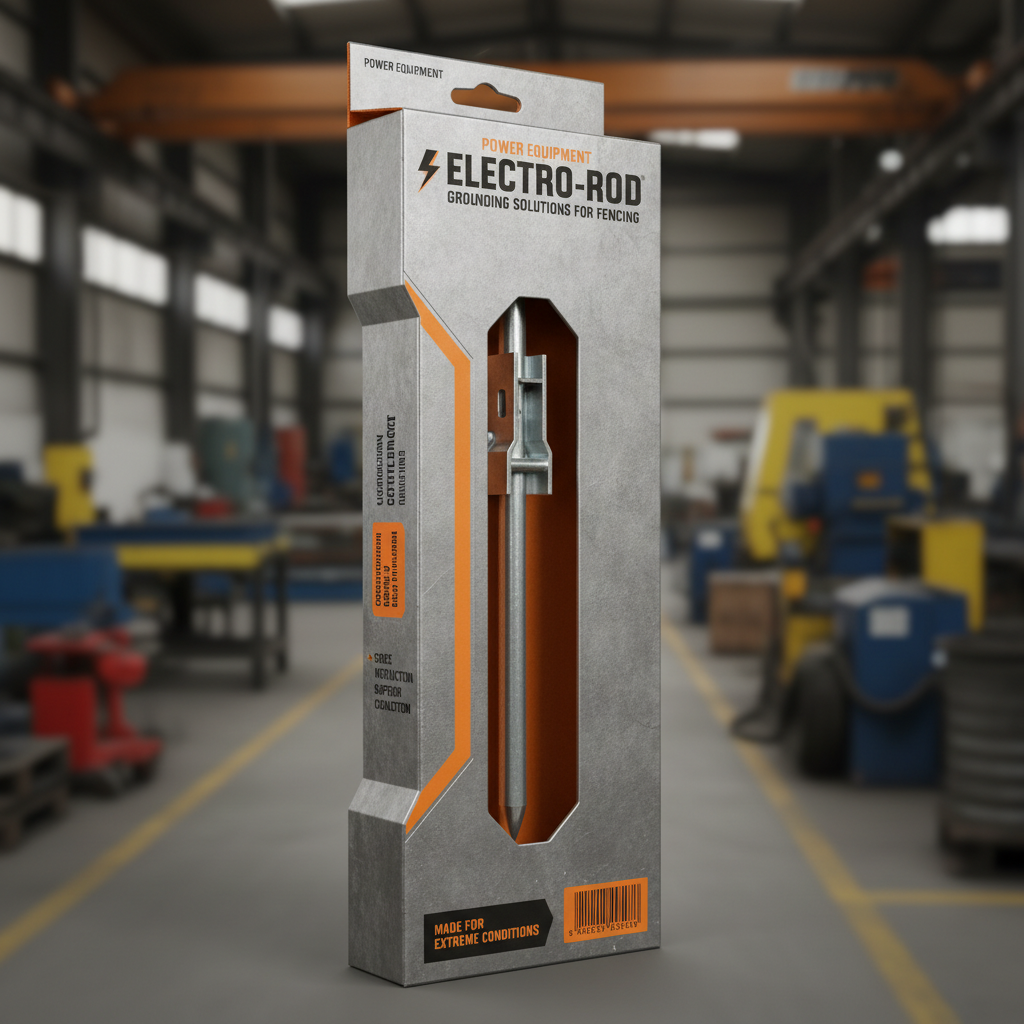
Why is a Fence Ground Rod Necessary?
Electric fences work by delivering a short, safe but noticeable electric shock to animals that come into contact with them. This discourages animals from challenging the fence. However, for this system to function correctly and safely, a robust grounding system is essential. Without a proper ground, the electricity will seek alternate paths, potentially through people or animals, leading to dangerous situations. The ground rod provides a low-resistance path to earth, ensuring that the electric current flows as intended and minimizing the risk of shock. Additionally, effective grounding maximizes the fence's performance, giving animals a more consistent shock, therefore strengthening the behavioral impact and keeping them away. Bilopowtel offers high-quality ground rods designed for optimal performance.
Key Benefits: Provides a safe path for electrical current, minimizes shock risk to animals and humans, ensures effective fence performance, and reduces the likelihood of dangerous electrical leakage.
Types of Fence Ground Rods
Fence ground rods come in several materials, each with its own advantages and disadvantages. The most common types include:
- Copper-Clad Steel: Offers a good balance of conductivity and strength at a reasonable price. The steel core provides structural support, while the copper coating ensures excellent electrical conductivity.
- Galvanized Steel: More affordable than copper-clad steel, but less conductive. Requires more rods to achieve the same grounding effect.
- Solid Copper: Provides the best conductivity but is the most expensive option. Ideal for areas with poor soil conductivity.
The choice of material depends on your budget, soil conditions, and the length of your fence. Consider the long-term benefits of a more conductive material, as it can improve the overall performance and safety of your electric fence.
Ground Rod Material Comparison:
• Copper-Clad Steel: Excellent conductivity, good strength, moderate cost.
• Galvanized Steel: Lower conductivity, affordable, requires more rods.
• Solid Copper: Highest conductivity, most expensive, ideal for poor soil.
Optimizing Grounding: Rod Placement & Quantity
Proper placement and the correct number of ground rods are crucial for an effective grounding system. Generally, you should install ground rods at least 8 feet apart and drive them fully into the ground, leaving only a few inches exposed. In areas with rocky or dry soil, you may need to use more ground rods to achieve adequate grounding. A good rule of thumb is to use at least three ground rods, spaced equally along the fence line. For longer fences, consider adding additional ground rods at regular intervals. Always refer to the instructions provided with your electric fence energizer for specific grounding recommendations.
Installing Your Fence Ground Rod: A Step-by-Step Guide
Installing a fence ground rod is a relatively straightforward process. Here’s a step-by-step guide:
- Choose the Location: Select a location near the energizer and in a moist area.
- Drive the Rod: Use a ground rod driver (available at most farm supply stores) to drive the rod fully into the ground.
- Connect the Ground Wire: Attach a heavy-gauge copper ground wire to the ground rod using a clamp.
- Connect to Energizer: Connect the other end of the ground wire to the ground terminal on your electric fence energizer.
- Test the System: Use a fence tester to ensure the grounding system is functioning correctly.
Maintaining Your Grounding System
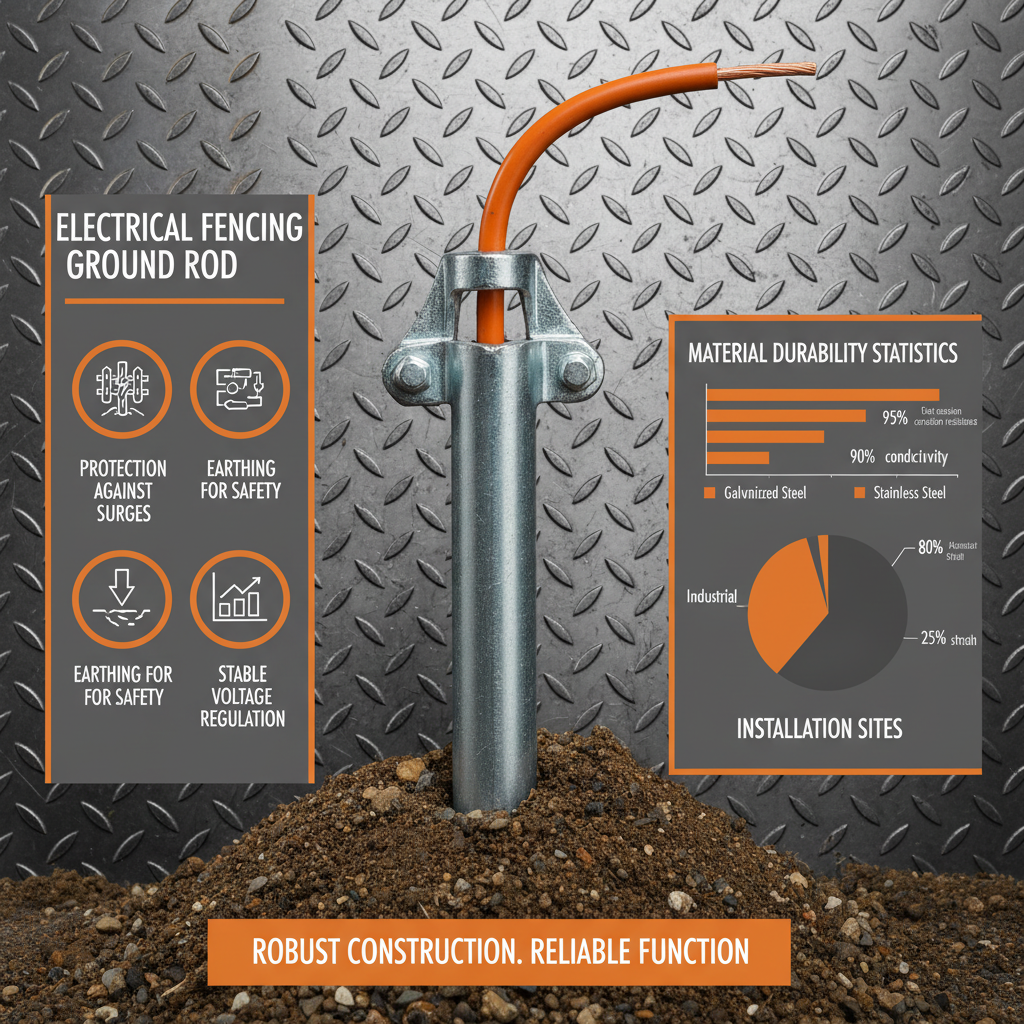
Regular maintenance is vital to ensure the ongoing effectiveness of your grounding system. Periodically check the ground rod connections for corrosion and tightness. Also, inspect the ground wire for damage and replace it if necessary. Additionally, consider testing the ground resistance annually to ensure it remains within acceptable limits. A well-maintained grounding system will provide years of reliable service, keeping your animals safe and your electric fence working efficiently. Bilopowtel provides durable ground rods designed to withstand harsh weather conditions.
Conclusion: Prioritizing Safety with Effective Grounding
Investing in a quality fence ground rod and implementing a proper grounding system is paramount for the safety and effectiveness of your electric fencing. By understanding the different types of ground rods, optimal placement techniques, and ongoing maintenance requirements, you can ensure a secure environment for your animals and peace of mind. Don't compromise on safety – choose a reliable grounding solution and protect your livestock.
Frequently Asked Questions (FAQs)
How often should I check my fence ground rods?
It's recommended to visually inspect your fence ground rods at least twice a year, ideally in the spring and fall. Check for corrosion on the connections and ensure the ground wire is securely attached. Additionally, perform a fence voltage test to verify the system's performance. A significant drop in voltage could indicate a grounding issue. Consider a professional inspection every few years for a more thorough assessment. Neglecting your grounding system can lead to reduced fence effectiveness and potential safety hazards.
What if my soil is very rocky?
Rocky soil can make driving ground rods challenging. Consider using a solid copper ground rod, as it's more durable and less likely to bend or break. You may also need to use a specialized ground rod driver designed for rocky conditions. Alternatively, explore horizontal ground rods buried in trenches, which can provide a wider grounding surface area. Ensure you still use multiple ground rods to maximize conductivity, even in rocky terrain.
Can I use metal fence posts as ground rods?
No, you should never use metal fence posts as ground rods. Fence posts are often painted or coated, which significantly reduces their conductivity. More importantly, using fence posts as ground rods can create a hazardous situation, as the entire fence line could become energized. Always use dedicated ground rods specifically designed for grounding electric fences. The safety of your animals and yourself depends on it.
Latest news
Precision Lifting and Pulling with the Lever Block 0.5 Ton Guide
NewsApr.16,2026
Precision Engineering Guide for High Performance Jet Lever
NewsApr.16,2026
Ultimate Guide to Choosing the Professional Industrial hoist lever
NewsApr.16,2026
Industrial Hoist Lever Chain Guide for Heavy Lifting and Rigging
NewsApr.16,2026
Industrial Lever Hoist Guide for Efficient Lifting and Pulling
NewsApr.16,2026
Ultimate Guide to Hand Ratchet Lift for Heavy Industrial Lifting
NewsApr.16,2026
- CONTACT
- ADDRESS: 188, Fengshou Road, Shijiazhuang. China
- EMAlL: info@bilopowtel.com
- PHONE: 0086-311-88862036
- WHATSAPP: 0086-152-26563165


