



Mar . 24, 2026 01:45 Back to list
Comprehensive Guide to Pool Ground Rods Installation and Safety Measures
Understanding Pool Ground Rods: A Comprehensive Guide
Maintaining a safe and effective grounding system is crucial for any swimming pool. A pool ground rod plays a vital role in this process, protecting swimmers and equipment from electrical hazards. This article provides an in-depth look at pool ground rods, covering their purpose, installation, types, and best practices. Understanding these essentials will help you ensure the safety and longevity of your pool. Learn how to select the right ground rod for your needs and maintain a secure electrical connection. Visit Bilopowtel for a wide selection of high-quality grounding solutions.
What is a Pool Ground Rod and Why is it Important?
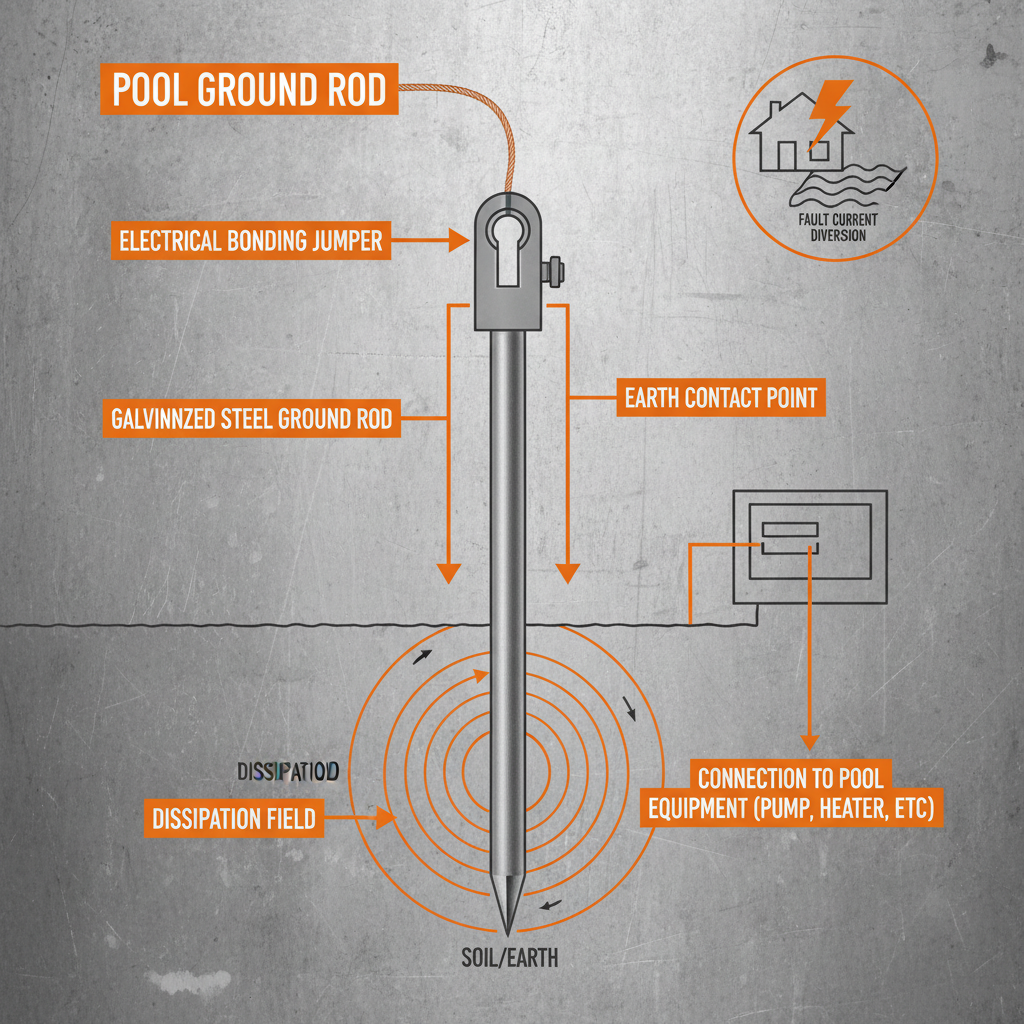
A pool ground rod is a metallic rod, typically made of copper or copper-clad steel, driven into the earth near a swimming pool. Its primary function is to provide a low-resistance path for electrical current to flow safely into the ground in the event of a fault. This is critical because pool water is conductive, meaning it can easily transmit electricity. Without proper grounding, a short circuit or electrical malfunction could energize the pool water, creating a potentially lethal shock hazard. A properly installed and maintained ground rod ensures the electrical system is safely grounded, protecting swimmers and pool equipment.
Key Benefit: Protects against electrical shock hazards, ensuring the safety of swimmers and pool users.
Types of Pool Ground Rods
Pool ground rods come in various types, each with its own characteristics and suitability for different soil conditions. The most common types include:
- Copper Ground Rods: Offer excellent conductivity and corrosion resistance, making them a premium choice for most applications.
- Copper-Clad Steel Ground Rods: Provide a cost-effective alternative to solid copper rods. They consist of a steel core covered with a layer of copper for conductivity.
- Galvanized Steel Ground Rods: Less expensive than copper or copper-clad steel, but offer lower conductivity and are more susceptible to corrosion. Generally not recommended for pool applications.
Selecting the Right Pool Ground Rod: Factors to Consider
Choosing the correct pool ground rod depends on several factors. The length and diameter of the rod are determined by the soil resistivity. Soil resistivity is a measure of how easily electricity flows through the ground. High resistivity soils (sandy, rocky) require longer and/or wider rods to achieve the necessary low resistance. Local electrical codes also dictate specific requirements for ground rod size and installation. Consider these factors:
- Soil Type: Sandy or rocky soils require longer rods.
- Local Electrical Codes: Always adhere to local regulations.
- Rod Diameter: Larger diameter rods provide lower resistance.
- Material: Copper or copper-clad steel are generally preferred for longevity and performance.
Soil Resistivity Guide:
• Low Resistivity (Clay): Shorter rods may suffice.
• Medium Resistivity (Loam): Moderate length rods are typically used.
• High Resistivity (Sand, Rock): Longer rods or multiple rods are needed.
Installation Best Practices for a Pool Ground Rod
Proper installation is just as important as selecting the right pool ground rod. Here’s a step-by-step guide:
- Location: Choose a location within 5-10 feet of the pool’s electrical equipment and away from underground utilities.
- Driving: Use a ground rod driver to hammer the rod vertically into the ground, leaving approximately 6-12 inches exposed.
- Connection: Connect the ground wire from the pool’s electrical system to the ground rod using an approved clamp.
- Testing: Use a ground resistance tester to verify the rod’s resistance is within acceptable limits (typically less than 25 ohms). If resistance is too high, consider installing additional ground rods.
Maintaining Your Pool Ground Rod System
Regular inspection and maintenance are essential to ensure the continued effectiveness of your pool ground rod system. Periodically check the connection between the ground wire and the rod to ensure it is clean and secure. Retest the ground resistance annually, or after any significant electrical work. If the resistance exceeds acceptable limits, consider adding additional ground rods or replacing the existing one. Bilopowtel provides a comprehensive range of grounding accessories and expert advice to help you maintain a safe and reliable system.
Conclusion: Prioritizing Pool Safety with Grounding
A properly installed and maintained pool ground rod is a critical component of a safe swimming pool environment. By understanding the different types of ground rods, installation best practices, and maintenance requirements, you can significantly reduce the risk of electrical hazards. Don’t compromise on safety – invest in quality grounding solutions from Bilopowtel.
Frequently Asked Questions (FAQs)
What is the ideal depth for a pool ground rod?
The ideal depth for a pool ground rod is typically 8-10 feet. This depth ensures that the rod reaches moist soil, providing a consistent and low-resistance path to ground. In areas with shallow bedrock or consistently dry soil, you may need to drive the rod as deep as possible or consider using multiple ground rods connected together. Local electrical codes may specify minimum depth requirements, so always consult those before installation.
How often should I test the ground resistance of my pool ground rod?
You should test the ground resistance of your pool ground rod at least annually. It's also advisable to test after any significant electrical work is performed near the pool. A ground resistance tester is used to measure the resistance between the ground rod and the grounding system. If the resistance exceeds 25 ohms, it indicates a potential problem that needs to be addressed. Consistent monitoring ensures the continued safety and effectiveness of your grounding system.
Can I use multiple ground rods for my pool?
Yes, in some cases, using multiple ground rods is recommended or even required by local codes. This is particularly useful in areas with high soil resistivity. Connecting multiple ground rods together creates a larger grounding surface, effectively lowering the overall resistance. The rods should be spaced at least the length of the rod itself and connected with a substantial grounding conductor. Consult with a qualified electrician to determine if multiple ground rods are necessary for your pool.
What should I do if my ground rod is corroded?
If your pool ground rod is significantly corroded, it should be replaced immediately. Corrosion increases resistance and reduces the effectiveness of the grounding system. Before replacing, disconnect the ground wire from the old rod. Install a new rod of the appropriate type and length, ensuring a secure connection to the grounding wire. It’s crucial to address corrosion promptly to maintain a safe electrical environment around the pool.
Latest news
Precision Lifting and Pulling with the Lever Block 0.5 Ton Guide
NewsApr.16,2026
Precision Engineering Guide for High Performance Jet Lever
NewsApr.16,2026
Ultimate Guide to Choosing the Professional Industrial hoist lever
NewsApr.16,2026
Industrial Hoist Lever Chain Guide for Heavy Lifting and Rigging
NewsApr.16,2026
Industrial Lever Hoist Guide for Efficient Lifting and Pulling
NewsApr.16,2026
Ultimate Guide to Hand Ratchet Lift for Heavy Industrial Lifting
NewsApr.16,2026
- CONTACT
- ADDRESS: 188, Fengshou Road, Shijiazhuang. China
- EMAlL: info@bilopowtel.com
- PHONE: 0086-311-88862036
- WHATSAPP: 0086-152-26563165


