



Mar . 21, 2026 01:45 Back to list
Comprehensive Guide to Installing a Grounding Rod Residential for Safety
Installing a Grounding Rod Residential: A Comprehensive Guide
Ensuring your home's electrical system is properly grounded is crucial for safety and protecting your valuable electronics. A grounding system provides a safe path for electrical currents to flow in the event of a fault, minimizing the risk of shock and fire. This guide will walk you through the process of installing a grounding rod residential, covering everything from choosing the right materials to the proper installation techniques. Proper grounding is not just a good idea; it’s often required by local electrical codes. Understanding these procedures will empower you to maintain a safe and reliable electrical system in your home.
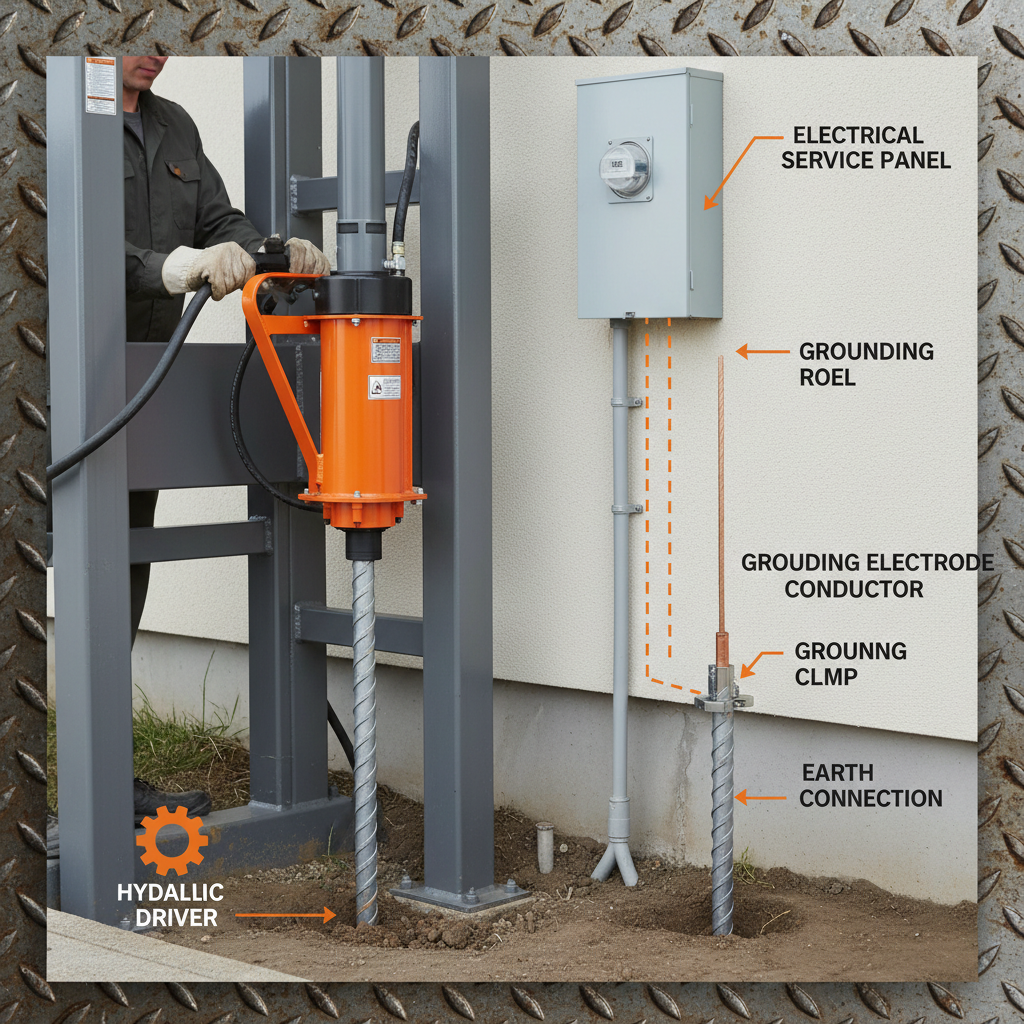
Understanding the Importance of Grounding
Grounding provides a low-resistance path for stray electrical current to return to the source, typically the electrical panel. Without grounding, this current could build up on metal objects, creating a dangerous shock hazard. It also protects sensitive electronic equipment from voltage surges, safeguarding your investment. A properly installed grounding system is a critical component of a safe and functional electrical system, and adhering to local electrical codes is paramount. Grounding is especially important in older homes that may not have been originally grounded or may have inadequate grounding systems.
Key Benefits: Protects against electrical shock, safeguards electronics from surges, and complies with electrical codes.
Materials Needed for Installing a Grounding Rod Residential
Before you begin, gather the necessary materials. You will need a grounding rod (typically copper or copper-clad steel, 8-10 feet long), a grounding clamp (sized to fit the grounding rod and the grounding wire), grounding wire (typically #6 AWG copper), a sledgehammer, a digging tool, and potentially a ground rod driver. It's crucial to use materials that are approved for grounding purposes and meet local electrical code requirements. Consider purchasing a kit that includes all the essential components for a hassle-free installation. Don't forget to wear appropriate safety gear, including gloves and eye protection.
Choosing the Right Grounding Rod and Wire
Selecting the appropriate grounding rod and wire is critical for a successful installation. The length of the grounding rod depends on the soil conditions; generally, a longer rod provides better grounding. Copper-clad steel rods are a cost-effective option, while solid copper rods offer superior conductivity. The grounding wire gauge should meet local code requirements, with #6 AWG being a common standard. Ensure the grounding clamp is compatible with both the grounding rod and the wire gauge. Consult a qualified electrician if you are unsure about the correct materials for your specific application.
Step-by-Step Installation Guide
1. Choose a Location: Select a location near your electrical panel, ideally in a well-drained area. Check for underground utilities before digging.
2. Drive the Grounding Rod: Using a sledgehammer or ground rod driver, drive the grounding rod into the ground until only 6-8 inches remain exposed.
3. Attach the Grounding Clamp: Securely attach the grounding clamp to the grounding rod.
4. Connect the Grounding Wire: Connect the grounding wire to the grounding clamp, ensuring a tight and secure connection.
5. Connect to the Electrical Panel: Run the grounding wire to your electrical panel and connect it to the grounding busbar. This step should ideally be performed by a qualified electrician.
Safety Precautions and Considerations
Working with electrical systems can be dangerous. If you are not comfortable with any part of this process, consult a qualified electrician. Always disconnect power to the circuit before working on the grounding system. Wear appropriate safety gear, including gloves and eye protection. Check local electrical codes and obtain any necessary permits before beginning the installation. A professional inspection is highly recommended after completing the installation to ensure it meets safety standards. It’s also important to remember that driving a grounding rod into rocky soil can be extremely difficult and may require professional assistance.
Conclusion: Ensuring a Safe and Grounded Home
Properly installing a grounding rod residential is a vital step in protecting your home and family from electrical hazards. By following these guidelines and taking appropriate safety precautions, you can ensure a safe and reliable electrical system. Don't hesitate to consult a qualified electrician if you have any concerns or are unsure about any aspect of the installation process.
Frequently Asked Questions (FAQs)
How deep should a grounding rod be driven?
Generally, a grounding rod should be driven at least 8 feet into the ground. However, local electrical codes may specify a different depth. In areas with rocky soil or shallow bedrock, you may need to consult a qualified electrician to determine the best approach. The goal is to achieve a low-resistance connection to the earth. The more of the rod that is in contact with the soil, the better the grounding will be. It's important to follow the manufacturer's recommendations and local regulations.
Can I use multiple grounding rods?
Yes, in some cases, multiple grounding rods may be required or recommended, especially in areas with poor soil conductivity. When using multiple rods, they should be spaced at least 6 feet apart and connected together with a grounding conductor. This creates a more robust and effective grounding system. Consult local electrical codes or a qualified electrician to determine if multiple grounding rods are necessary for your specific situation.
What if I hit a rock while driving the grounding rod?
If you encounter a rock while driving the grounding rod, stop immediately. Do not force the rod into the rock, as this could damage the rod or create a poor connection. You may need to relocate the grounding rod to a different location, or consult a qualified electrician to explore alternative grounding methods. It is crucial to maintain the required depth for effective grounding, even if it means moving the location of the rod.
Do I need a permit to install a grounding rod?
Permit requirements vary depending on your location. It’s best to check with your local building department or electrical inspector to determine if a permit is required before you begin the installation. Some jurisdictions may require an inspection to ensure the grounding system meets safety standards. Failure to obtain the necessary permits can result in fines and delays.
Latest news
Precision Lifting and Pulling with the Lever Block 0.5 Ton Guide
NewsApr.16,2026
Precision Engineering Guide for High Performance Jet Lever
NewsApr.16,2026
Ultimate Guide to Choosing the Professional Industrial hoist lever
NewsApr.16,2026
Industrial Hoist Lever Chain Guide for Heavy Lifting and Rigging
NewsApr.16,2026
Industrial Lever Hoist Guide for Efficient Lifting and Pulling
NewsApr.16,2026
Ultimate Guide to Hand Ratchet Lift for Heavy Industrial Lifting
NewsApr.16,2026
- CONTACT
- ADDRESS: 188, Fengshou Road, Shijiazhuang. China
- EMAlL: info@bilopowtel.com
- PHONE: 0086-311-88862036
- WHATSAPP: 0086-152-26563165


