



Mar . 08, 2026 01:45 Back to list
Comprehensive Earth Rod Testing Guidance for Optimal Grounding System Safety
Earth Rod Testing: A Comprehensive Guide
Effective earth rod testing is crucial for ensuring the safety and reliability of grounding systems. A properly grounded system protects personnel and equipment from dangerous electrical faults. This article will cover the principles of earth rod testing, common methods, interpreting results, and best practices. We'll explore why regular testing, adhering to relevant standards, and using quality testing equipment – available from suppliers like Bilopowtel – are essential.
Understanding the Importance of Earth Rod Testing
Earth rods, also known as ground rods, are vital components of any grounding system. Their primary function is to provide a low-resistance path to earth for fault currents. Over time, connections can corrode, rods can become damaged, and soil conditions can change, all affecting the resistance of the ground connection. Regular earth rod testing verifies the integrity of this grounding path. Without reliable grounding, electrical faults can lead to equipment damage, fire hazards, and, most importantly, severe electrical shock to personnel. This makes testing not just a best practice but often a legal requirement.
Key Benefit: Ensuring a safe and reliable grounding system minimizes the risk of electrical shock and protects valuable equipment.
Common Earth Rod Testing Methods
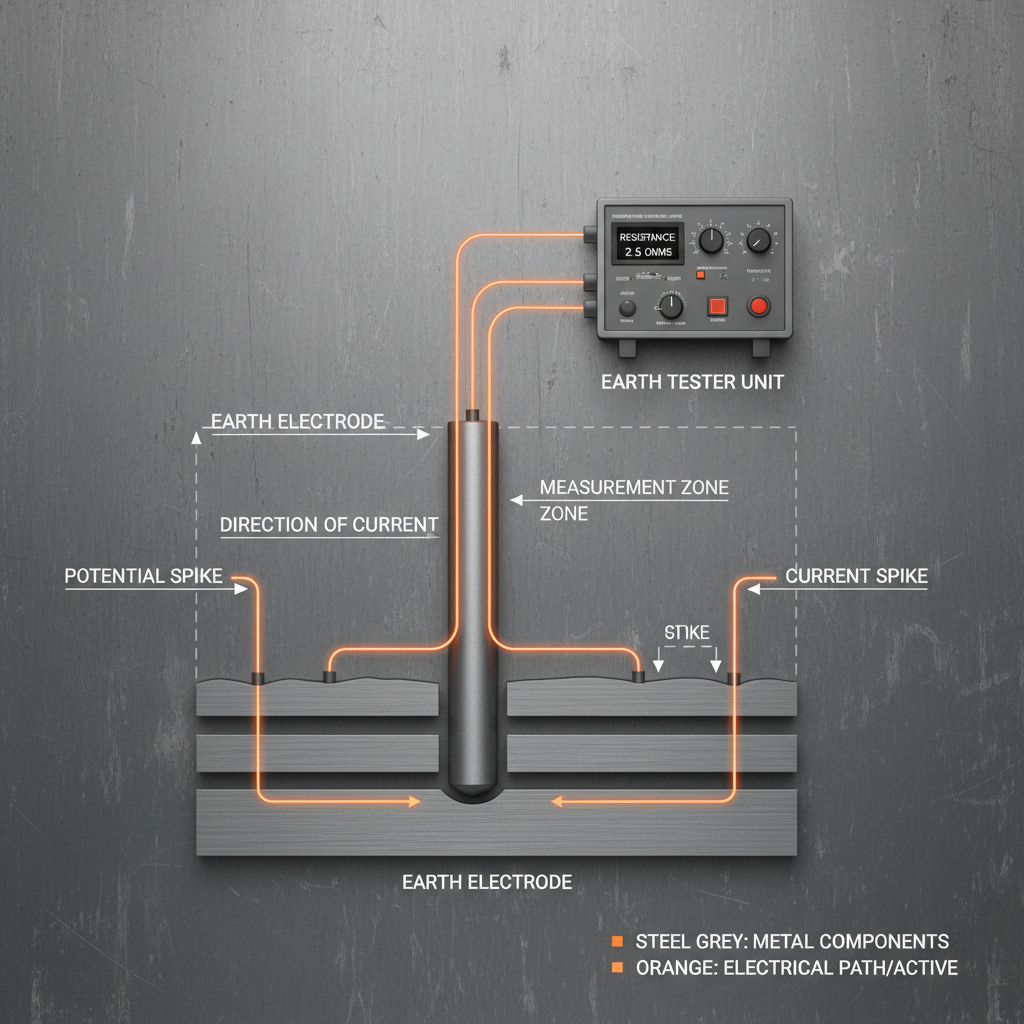
Several methods are used for earth rod testing. The most common include the 3-point fall-of-potential method and the clamp-on method. The 3-point method involves driving two auxiliary earth stakes into the ground at increasing distances from the earth rod being tested. A known current is then passed between the earth rod and the auxiliary stakes, and the voltage drop is measured. The clamp-on method utilizes an inductive clamp to measure the current flowing through the earth rod without direct connection. Both methods require specialized earth rod testers for accurate readings.
Testing Method Comparison:
• 3-Point Fall-of-Potential: More accurate, requires more setup time and space.
• Clamp-On: Faster and simpler, but generally less accurate.
Interpreting Earth Rod Test Results
The primary metric in earth rod testing is resistance, measured in ohms (Ω). Acceptable resistance values vary depending on local regulations and the application. Generally, a resistance of 5 ohms or less is considered good, but this can be lower for sensitive electronic equipment. Higher resistance values indicate a compromised ground connection. Factors influencing acceptable resistance include soil resistivity, rod depth, and the number of earth rods used. A gradual increase in resistance over time can indicate corrosion or a deteriorating connection, warranting further investigation.
Best Practices for Earth Rod Testing
To ensure accurate and reliable results, several best practices should be followed. Always use calibrated testing equipment from a reputable supplier like Bilopowtel. Follow the manufacturer's instructions for the testing equipment. Test regularly – at least annually, and more frequently in corrosive environments. Maintain detailed records of test results for tracking trends and identifying potential issues. Ensure the testing is performed by qualified personnel. Consider soil conditions and adjust testing procedures accordingly.
Choosing the Right Earth Rod Testing Equipment
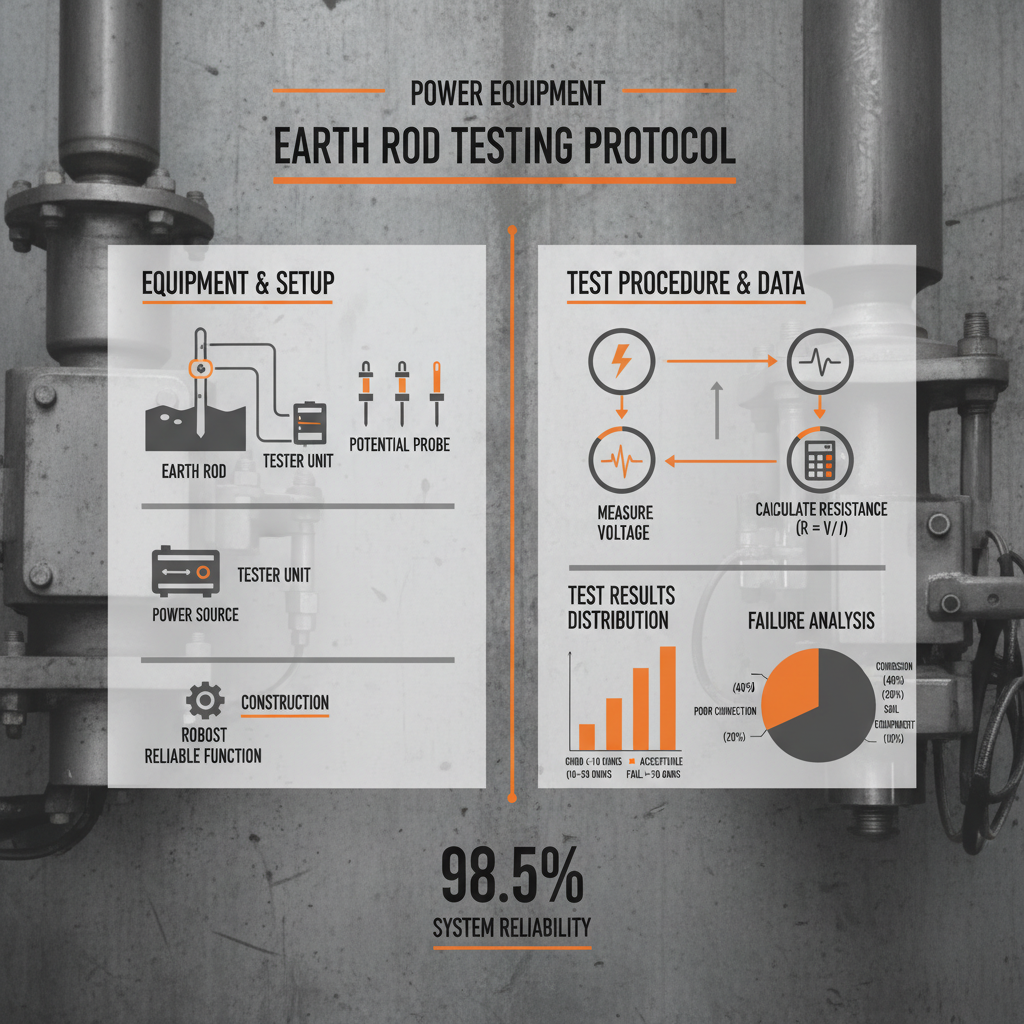
Selecting the appropriate testing equipment is vital. Bilopowtel offers a range of earth rod testers, including 3-point testers and clamp-on meters. Consider the specific needs of your application, the accuracy required, and the ease of use when choosing equipment. Look for testers that comply with relevant safety standards and provide clear, easy-to-read results. Investing in high-quality equipment ensures reliable measurements and accurate assessments of your grounding system's integrity.
Conclusion: Prioritizing Safety Through Regular Earth Rod Testing
Regular earth rod testing is a fundamental aspect of electrical safety. By proactively monitoring the integrity of your grounding system, you can protect personnel, prevent equipment damage, and ensure regulatory compliance. Partner with a trusted supplier like Bilopowtel for high-quality testing equipment and expert advice. Don’t compromise on safety – make earth rod testing a priority.
Frequently Asked Questions (FAQs)
How often should I test my earth rods?
The frequency of earth rod testing depends on various factors, including the environment, soil conditions, and the criticality of the grounded system. Generally, annual testing is recommended as a minimum. However, in corrosive environments (e.g., coastal areas, industrial sites with chemical emissions), testing should be performed more frequently, such as every six months. Also, testing is essential after any significant ground disturbance or electrical work near the grounding system. Following any electrical incident, an immediate test should be conducted to verify the system's integrity.
What factors can affect earth rod resistance?
Several factors can influence earth rod resistance, including soil resistivity (influenced by moisture content, temperature, and mineral composition), the length and diameter of the earth rod, the number of earth rods connected in parallel, and the quality of the connection between the rod and the conductor. Corrosion of the rod or its connection, and changes in soil conditions over time, can also significantly increase resistance. Additionally, nearby metallic objects can affect the ground potential and measurement accuracy.
Can I improve earth rod resistance?
Yes, several methods can be used to improve earth rod resistance. Adding additional earth rods connected in parallel reduces the overall resistance. Using longer earth rods increases the contact area with the soil. Backfilling around the rod with a low-resistivity material, such as bentonite clay, can significantly improve conductivity. Ensuring a clean and tight connection between the rod and the conductor is crucial. Regularly inspecting and maintaining the grounding system helps identify and address any issues that may increase resistance.
Latest news
Precision Lifting and Pulling with the Lever Block 0.5 Ton Guide
NewsApr.16,2026
Precision Engineering Guide for High Performance Jet Lever
NewsApr.16,2026
Ultimate Guide to Choosing the Professional Industrial hoist lever
NewsApr.16,2026
Industrial Hoist Lever Chain Guide for Heavy Lifting and Rigging
NewsApr.16,2026
Industrial Lever Hoist Guide for Efficient Lifting and Pulling
NewsApr.16,2026
Ultimate Guide to Hand Ratchet Lift for Heavy Industrial Lifting
NewsApr.16,2026
- CONTACT
- ADDRESS: 188, Fengshou Road, Shijiazhuang. China
- EMAlL: info@bilopowtel.com
- PHONE: 0086-311-88862036
- WHATSAPP: 0086-152-26563165


