



Feb . 25, 2026 01:45 Back to list
Understanding Insulated Earth Wire for Electrical Safety and Reliability
Understanding Insulated Earth Wire: A Comprehensive Guide
In electrical systems, safety is paramount. A critical component of this safety is the insulated earth wire, also known as a ground wire. This article will delve into the function, types, applications, and importance of insulated earth wire, providing a thorough understanding for professionals and anyone interested in electrical safety. Properly installed and maintained earth wires prevent electrical shocks and damage to equipment, safeguarding both people and property. Understanding the intricacies of this vital component is crucial for ensuring a safe and reliable electrical installation.
What is an Insulated Earth Wire?
An insulated earth wire is a conductive path designed to provide a low-resistance route back to the electrical source in the event of a fault. It's typically green or green-yellow in color, distinguishing it from live (hot) and neutral wires. The ‘insulation’ is a non-conductive coating – typically PVC, XLPE, or rubber – that prevents accidental contact and short circuits. Without a properly connected earth wire, a fault can cause the metal casing of an appliance to become live, creating a serious shock hazard. This wire doesn't carry current during normal operation but plays a crucial role in fault protection. Bilopowtel offers a wide range of high-quality insulated earth wires.
Key Benefits: Prevents electric shock, protects equipment from damage, minimizes fire risk, and ensures compliance with electrical safety regulations.
Types of Insulated Earth Wire
Insulated earth wires come in various types, differing in conductor material, insulation type, and cable size. Common conductor materials include copper and aluminum, with copper being preferred for its superior conductivity. Insulation types include PVC, XLPE, and rubber, each offering different levels of heat resistance, flexibility, and durability. Cable size (measured in AWG or mm²) is critical and must be appropriate for the circuit's current-carrying capacity. Selecting the correct type is crucial for ensuring optimal performance and safety. Factors like environmental conditions and the specific application influence the choice of wire.
Common Insulation Materials:
• PVC (Polyvinyl Chloride): Cost-effective, widely used for general purpose wiring.
• XLPE (Cross-Linked Polyethylene): Offers superior heat resistance and electrical properties.
• Rubber: Flexible and suitable for harsh environments.
Choosing the Right Insulated Earth Wire: A Comparison
Selecting the appropriate earth wire is crucial. The following table compares common options to help you make an informed decision.
Applications of Insulated Earth Wire
The applications of insulated earth wire are widespread across various sectors. These include residential electrical installations, commercial buildings, industrial facilities, and even within appliances themselves. In residential settings, it safeguards against shocks from faulty appliances and wiring. In industrial environments, it protects workers and machinery from potentially hazardous conditions. Proper grounding is also essential for the effective operation of sensitive electronic equipment, preventing data loss and damage. Explore our range of earth wires for various applications.
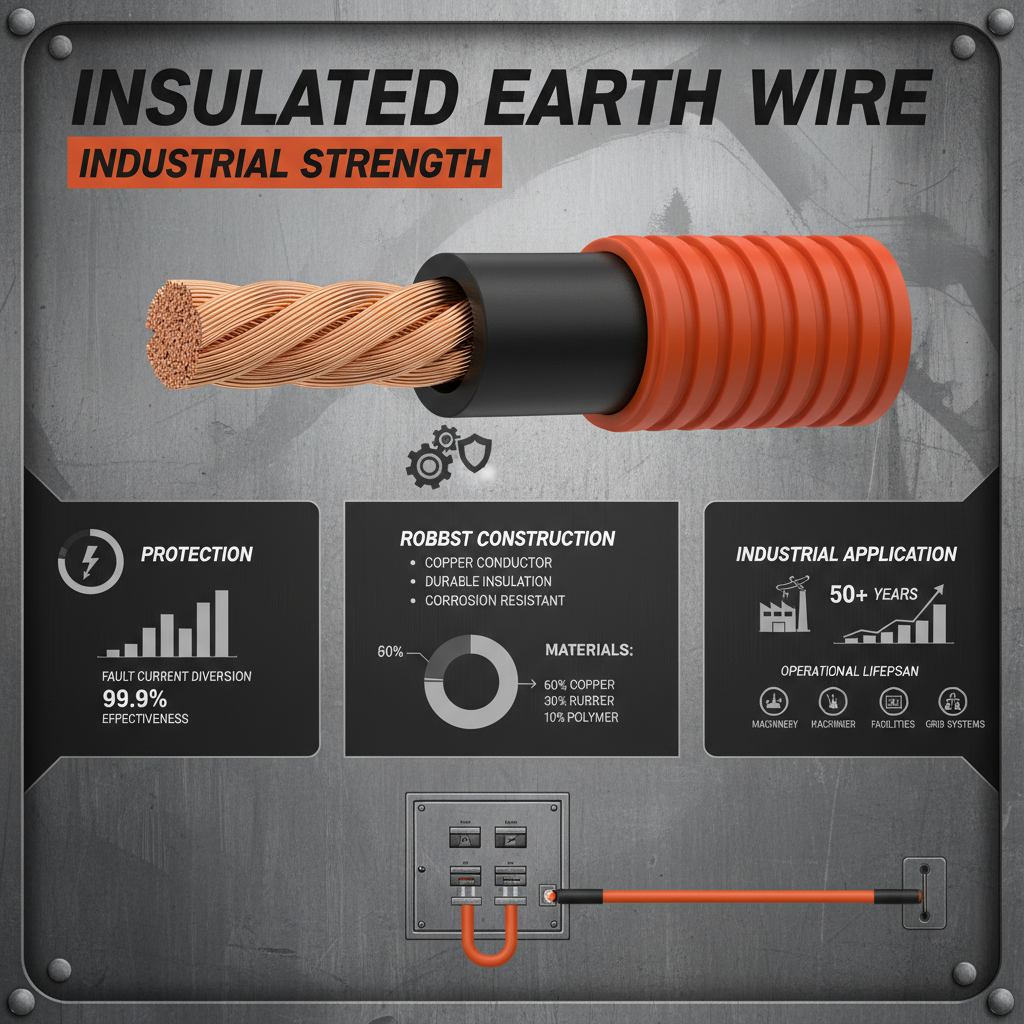
Standards and Regulations for Insulated Earth Wire
Electrical installations are governed by strict standards and regulations to ensure safety. Insulated earth wires must comply with relevant standards such as IEC 60357, VDE 0298-4, and UL 467. These standards specify requirements for conductor size, insulation thickness, and mechanical strength. Compliance with these standards is crucial for ensuring the wire’s ability to perform its protective function reliably. Regular inspections and testing are also essential to verify continued compliance and identify any potential issues.
Conclusion: The Importance of a Reliable Earth Wire
The insulated earth wire is a critical component of any electrical system, providing a vital safety measure against electric shock and equipment damage. Choosing the right type, ensuring proper installation, and adhering to relevant standards are all essential for maximizing its effectiveness. Investing in quality earth wires from a reputable supplier like Bilopowtel is a proactive step towards ensuring a safe and reliable electrical environment.
Frequently Asked Questions (FAQs)
What is the purpose of an earth wire?
The primary purpose of an earth wire is to provide a low-resistance path for fault currents to flow back to the electrical source. This triggers the protective devices (circuit breakers or fuses) to disconnect the power, preventing electric shock and damage to equipment. It does not carry current during normal operation; it only activates in the event of a fault, such as a live wire coming into contact with the metal casing of an appliance. It’s a crucial safety feature protecting individuals and assets.
How do I know if my earth wire is properly connected?
Checking the earth wire’s connection requires specialized testing equipment and knowledge. A qualified electrician can use an earth impedance tester to verify the continuity and resistance of the earth path. A visual inspection can confirm the wire is securely connected at both the appliance and the electrical panel. However, visual inspection alone is insufficient; testing is crucial. If you suspect a problem, always consult a professional.
Can I use aluminum wire for an earth wire?
While aluminum wire can be used for earth wires in some applications, copper is generally preferred due to its superior conductivity and corrosion resistance. Aluminum requires careful installation to prevent corrosion at connections, which can increase resistance and compromise the earth path. Always consult local electrical codes and regulations to determine the permissible materials for earth wires in your specific situation.
What size earth wire do I need?
The appropriate earth wire size depends on the circuit’s current-carrying capacity and the type of protective device used. Electrical codes specify minimum earth wire sizes based on these factors. Generally, the earth wire should be at least the same size as the live (hot) and neutral conductors. Consulting a qualified electrician is highly recommended to ensure the correct wire size is selected for your specific application.
Latest news
Precision Lifting and Pulling with the Lever Block 0.5 Ton Guide
NewsApr.16,2026
Precision Engineering Guide for High Performance Jet Lever
NewsApr.16,2026
Ultimate Guide to Choosing the Professional Industrial hoist lever
NewsApr.16,2026
Industrial Hoist Lever Chain Guide for Heavy Lifting and Rigging
NewsApr.16,2026
Industrial Lever Hoist Guide for Efficient Lifting and Pulling
NewsApr.16,2026
Ultimate Guide to Hand Ratchet Lift for Heavy Industrial Lifting
NewsApr.16,2026
- CONTACT
- ADDRESS: 188, Fengshou Road, Shijiazhuang. China
- EMAlL: info@bilopowtel.com
- PHONE: 0086-311-88862036
- WHATSAPP: 0086-152-26563165


