



Feb . 11, 2026 01:45 Back to list
Comprehensive Guide to Hot Stick for High Voltage Safety and Applications
Understanding the Applications and Safety of a Hot Stick for High Voltage
Working with high voltage electricity is inherently dangerous, demanding specialized tools and strict safety protocols. A hot stick for high voltage, also known as a live line stick, is a critical piece of equipment for electrical workers, enabling them to perform tasks on energized lines safely. This article will explore the various applications of hot sticks, the importance of proper material selection, safety considerations, and how to choose the right hot stick for your needs. Prioritizing safety when working with electricity is paramount, and understanding the capabilities and limitations of a hot stick is essential.
Common Applications of Hot Sticks
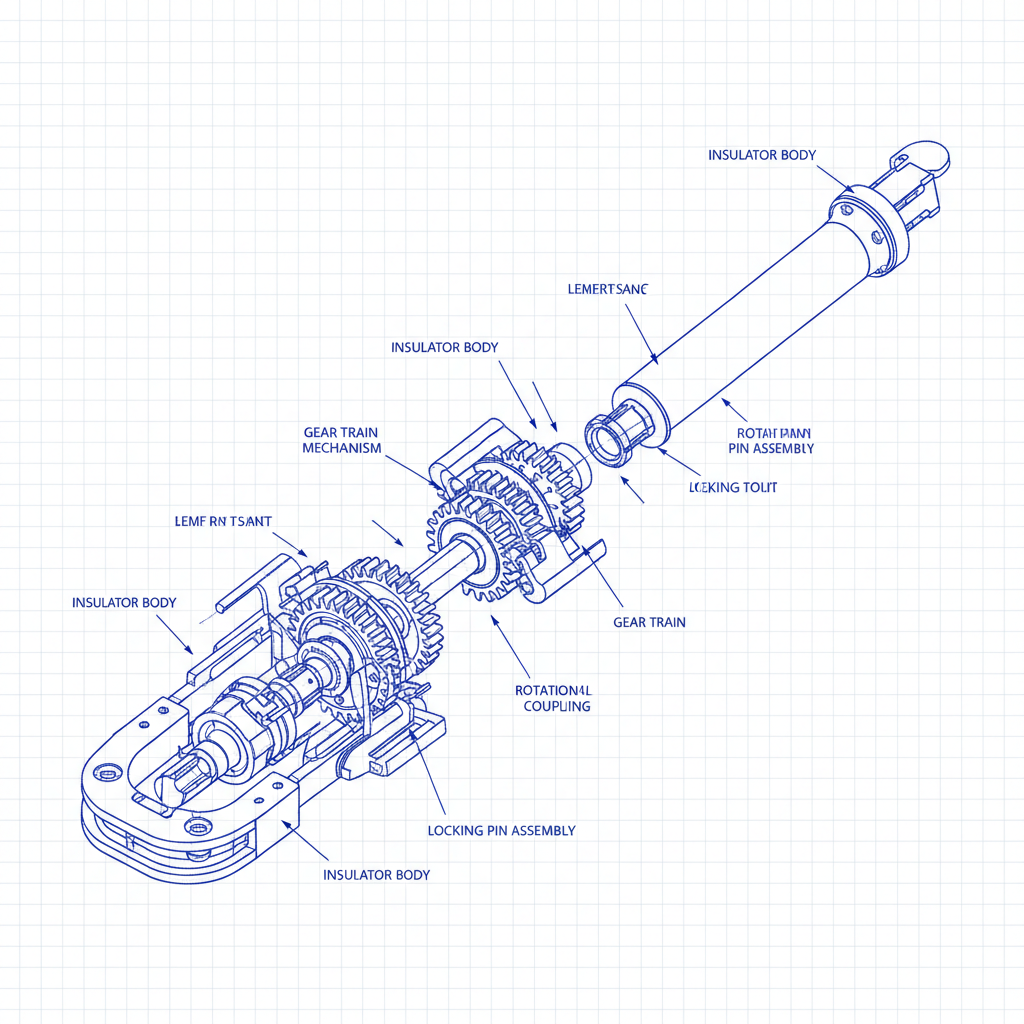
Hot sticks are incredibly versatile tools used in a multitude of electrical maintenance and repair tasks. Some of the most common applications include: operating switches and reclosers, installing and removing jumpers, applying and removing grounds, performing voltage testing, and manipulating fuses. They allow technicians to perform these operations from a safe distance, minimizing the risk of electrical shock. Their use extends to transmission and distribution lines, substations, and even railway electrification systems. Proper training and adherence to safety procedures are vital when using a hot stick to ensure worker safety.
Key Applications: Operating switches, installing jumpers, applying grounds, voltage testing, and fuse manipulation.
Materials Used in Hot Stick Construction
The materials used in a hot stick’s construction are critical to its performance and safety. Fiberglass reinforced polyester resin (FRP) is the most common material due to its excellent dielectric strength, meaning its ability to resist the flow of electricity. Epoxy resins offer enhanced strength and resistance to environmental factors. The conductive parts, typically used for gripping and manipulating equipment, are made from high-strength aluminum or other conductive alloys. The quality of these materials directly impacts the stick’s ability to protect workers from electrical hazards. A high-quality hot stick will be made from durable, reliable materials.
Material Properties:
• Fiberglass Reinforced Polyester Resin (FRP): Excellent dielectric strength.
• Epoxy Resins: Enhanced strength and environmental resistance.
• Aluminum Alloys: High conductivity for gripping and manipulation.
Hot Stick for High Voltage: Material Comparison
Selecting the right hot stick material is crucial for ensuring safety and longevity. Different materials offer varying levels of performance in terms of dielectric strength, mechanical strength, and resistance to environmental factors. Below is a comparison of common hot stick materials. Understanding these differences allows you to make an informed decision when purchasing a hot stick for high voltage applications.
Essential Safety Considerations When Using Hot Sticks
Safety is non-negotiable when working around high voltage electricity. Before each use, a hot stick should be thoroughly inspected for any signs of damage, such as cracks, chips, or wear. Users must wear appropriate personal protective equipment (PPE), including rubber gloves, sleeves, and face shields. Proper grounding procedures are essential to minimize the risk of electric shock. Regular training and certification are crucial to ensure workers understand the correct procedures for using and maintaining hot sticks. Never assume a line is de-energized; always treat it as live.
Choosing the Right Hot Stick for Your Application
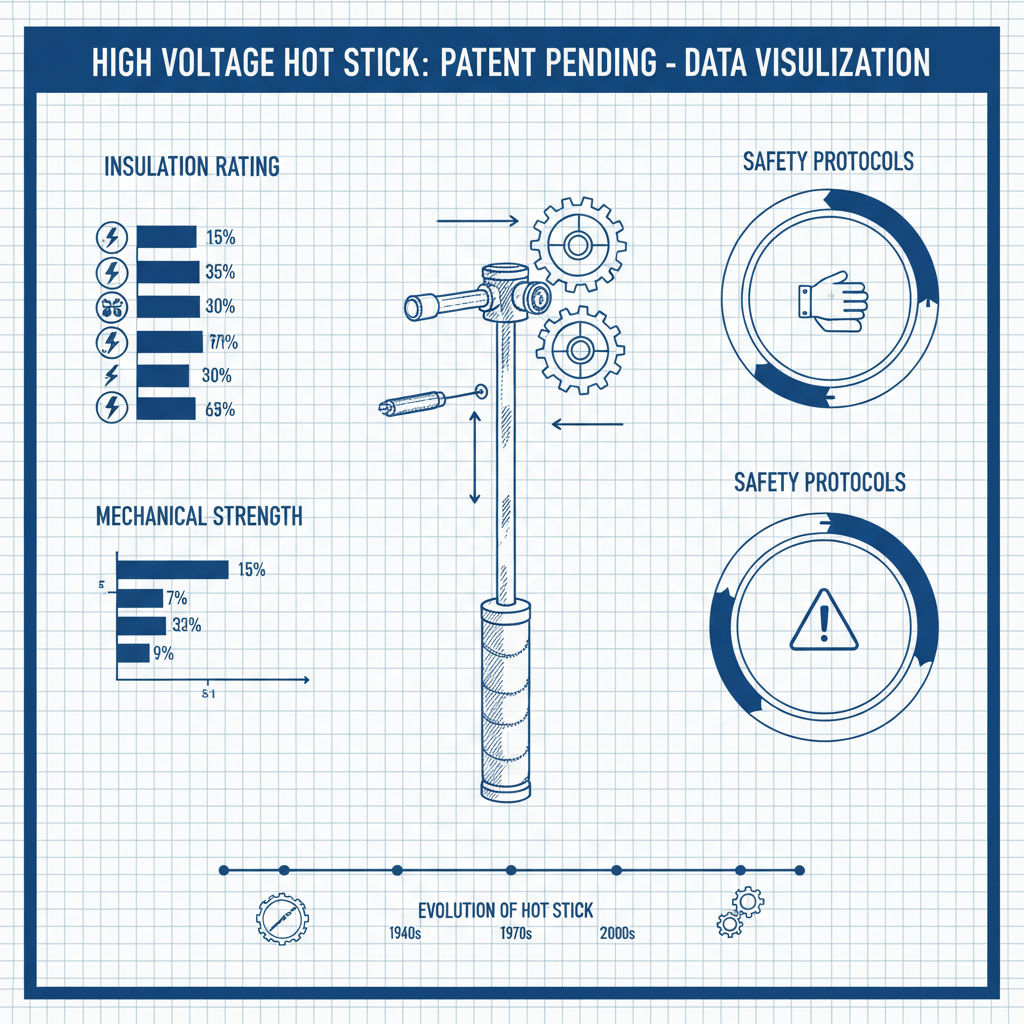
Selecting the appropriate hot stick depends on the voltage level of the equipment, the specific task being performed, and the working environment. Hot sticks are rated for specific voltage classes. Ensure the stick's voltage rating exceeds the maximum voltage of the lines you will be working on. Consider the length of the stick – it must be long enough to maintain a safe working distance. Also, choose a stick with the appropriate head attachment for the task at hand. BiloPowTel offers a wide range of hot sticks to meet various needs.
Conclusion: Prioritizing Safety with Reliable Hot Sticks
A hot stick for high voltage is an indispensable tool for electrical workers, enabling them to perform essential tasks safely and efficiently. By understanding the applications, materials, safety considerations, and proper selection criteria, you can ensure that you are equipped with the right tool for the job. Investing in high-quality hot sticks and providing comprehensive training are crucial steps in protecting your workforce and maintaining a safe working environment.
Frequently Asked Questions (FAQs)
How often should a hot stick be inspected?
Hot sticks should be inspected before each use, and a more comprehensive inspection should be conducted at least annually. The inspection should include a visual check for cracks, chips, wear, and any other damage. Also, check the condition of the conductive parts and ensure that all components are securely attached. If any damage is found, the hot stick should be removed from service immediately and repaired or replaced. Maintaining a detailed inspection log is a good practice.
What voltage class hot stick do I need?
The voltage class of the hot stick must exceed the maximum voltage of the energized lines you will be working on. It's crucial to choose a stick with a sufficient safety margin. Refer to industry standards and regulations to determine the appropriate voltage class for your specific application. Using a hot stick with an insufficient voltage rating can be extremely dangerous.
What is the importance of proper grounding when using a hot stick?
Proper grounding is essential to provide a safe path for electrical current in the event of a fault. It minimizes the risk of electric shock by diverting current away from the worker. Grounding should be established before beginning any work on energized lines. Always follow established grounding procedures and use appropriate grounding equipment.
Latest news
Precision Lifting and Pulling with the Lever Block 0.5 Ton Guide
NewsApr.16,2026
Precision Engineering Guide for High Performance Jet Lever
NewsApr.16,2026
Ultimate Guide to Choosing the Professional Industrial hoist lever
NewsApr.16,2026
Industrial Hoist Lever Chain Guide for Heavy Lifting and Rigging
NewsApr.16,2026
Industrial Lever Hoist Guide for Efficient Lifting and Pulling
NewsApr.16,2026
Ultimate Guide to Hand Ratchet Lift for Heavy Industrial Lifting
NewsApr.16,2026
- CONTACT
- ADDRESS: 188, Fengshou Road, Shijiazhuang. China
- EMAlL: info@bilopowtel.com
- PHONE: 0086-311-88862036
- WHATSAPP: 0086-152-26563165


