



Mar . 24, 2026 01:55 Back to list
Comprehensive Guide to Residential Grounding Rods for Home Electrical Safety
Understanding Residential Grounding Rods: A Comprehensive Guide
A properly grounded electrical system is paramount for safety in any home. Central to this system is the residential grounding rod, a critical component that diverts dangerous electrical currents into the earth. This article will explore the importance of grounding rods, their types, installation best practices, and how to choose the right one for your needs. We will also highlight where you can find quality grounding rods and related electrical supplies. Understanding these details is vital for homeowner safety and protecting your property. Explore our range of grounding solutions at Bilopowtel.com.
Why are Residential Grounding Rods Important?
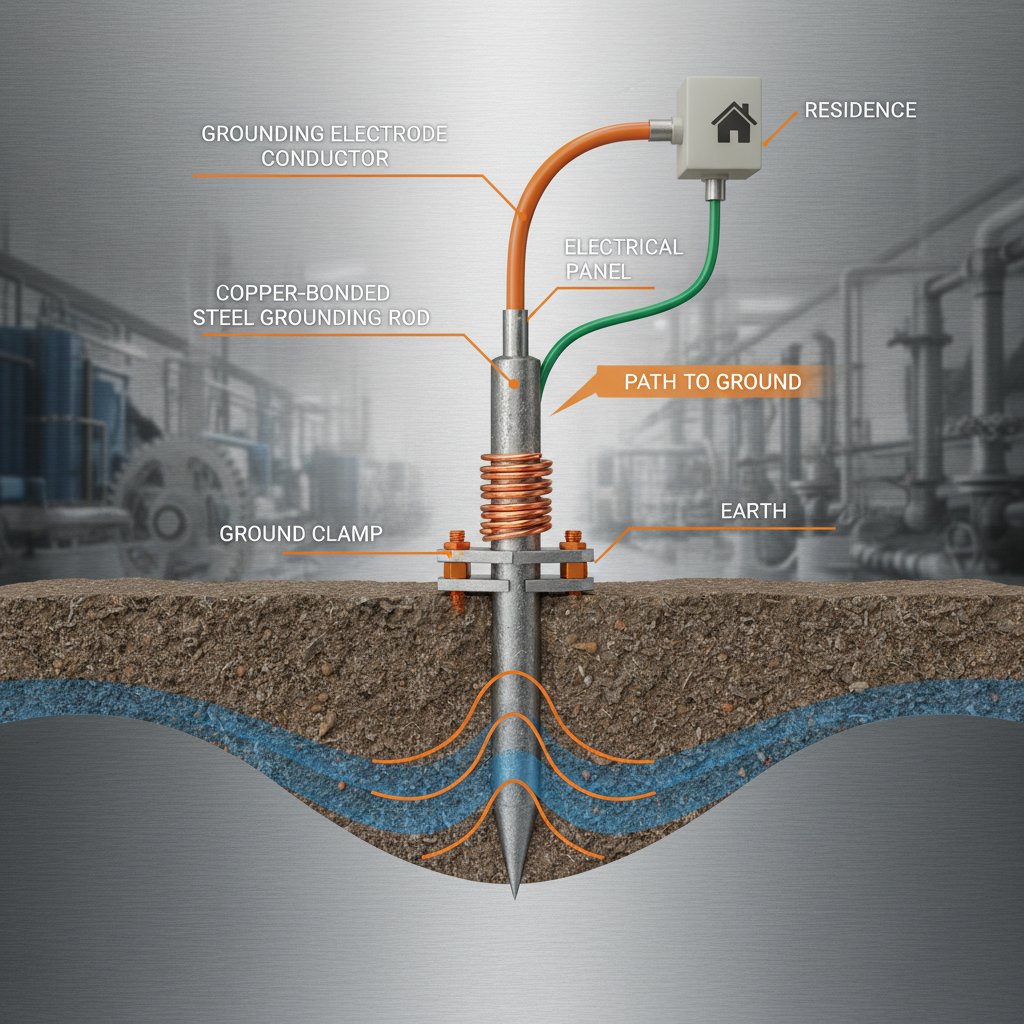
Grounding rods provide a path of least resistance for electrical current to flow back to the source in the event of a fault, such as a short circuit. Without proper grounding, this current can build up, creating a shock hazard for occupants and potentially causing fires. A grounding rod essentially safeguards your home and family by channeling excess electricity safely into the earth. It’s a foundational element of your home’s electrical safety system, mandated by electrical codes for a reason. Investing in a quality grounding rod is investing in peace of mind.
Key Benefit: Protecting your home and family from electrical shock and fire hazards by providing a safe path for fault currents.
Types of Residential Grounding Rods
Grounding rods come in several materials, each with its own advantages. The most common types include:
- Copper-Clad Steel: A steel core surrounded by a layer of copper. This is the most widely used type due to its cost-effectiveness and good conductivity.
- Solid Copper: Offers the best conductivity but is more expensive than copper-clad steel.
- Galvanized Steel: While cheaper, galvanized steel is less conductive and prone to corrosion, making it a less desirable option for grounding.
The choice of material depends on your local electrical code and soil conditions. Bilopowtel offers a comprehensive selection of grounding rods to meet various needs and regulations.
Grounding Rod Material Comparison:
• Copper-Clad Steel: Best balance of cost and conductivity.
• Solid Copper: Highest conductivity, most expensive.
• Galvanized Steel: Least conductive, prone to corrosion.
Choosing the Right Size Grounding Rod
The size (length and diameter) of the grounding rod is crucial for effective grounding. Generally, a longer rod provides better grounding, especially in areas with poor soil conductivity. Local electrical codes specify the minimum size requirement, but 8-foot grounding rods are a common standard. The diameter typically ranges from 5/8 inch to 3/4 inch. Consider the soil type; sandy or rocky soil may require a longer or multiple grounding rods to achieve adequate grounding.
Installation Best Practices for Residential Grounding Rods
Proper installation is just as important as choosing the right grounding rod. Here are key considerations:
- Location: Install the rod at least 2 feet away from any metal piping, such as gas lines or water pipes.
- Depth: Drive the rod at least 8 feet into the ground, leaving 6-8 inches exposed for connections.
- Connections: Use approved grounding connectors and ensure a tight, corrosion-resistant connection.
- Multiple Rods: In some cases, multiple grounding rods may be required, spaced at least 6 feet apart.
Always consult a qualified electrician for grounding rod installation. Incorrect installation can compromise the safety of your electrical system. Bilopowtel provides resources and quality materials to support professional installers.
Where to Buy Quality Grounding Rods
Finding a reliable supplier of grounding rods is essential. Bilopowtel.com offers a wide range of grounding rods, connectors, and related electrical supplies. We prioritize quality, safety, and compliance with industry standards. Browse our selection and ensure your home is properly grounded.
Conclusion: Ensuring a Safe Electrical System with Proper Grounding
Investing in a quality residential grounding rod and ensuring its proper installation is a critical step in protecting your home and family from electrical hazards. Don't compromise on safety – choose reliable materials and professional installation. Explore the wide range of grounding solutions available at Bilopowtel.com and prioritize the safety of your electrical system.
Frequently Asked Questions (FAQs)
How often should I inspect my grounding rod system?
It's recommended to visually inspect your grounding rod system every few years, or after any significant electrical work is done. Look for signs of corrosion on the rod and connections. Ensure the connection remains tight and free of debris. If you notice any issues, contact a qualified electrician for assessment and repair. A proactive approach to maintenance can prevent potential safety hazards. Keep in mind that environmental factors such as soil composition and moisture levels can affect the longevity and effectiveness of the grounding system.
Can I install a grounding rod myself?
While it's technically possible for a homeowner to install a grounding rod, it's strongly recommended to hire a qualified electrician. Electrical work can be dangerous, and improper installation can create serious safety hazards. A professional electrician will ensure the grounding rod is installed correctly, meets local electrical codes, and is properly connected to your electrical system. They have the knowledge, tools, and experience to perform the job safely and effectively.
What if my soil is very rocky?
If your soil is very rocky, driving a grounding rod to the required depth can be difficult or impossible. In this case, a qualified electrician might recommend using a chemical ground rod system, which doesn't require driving a rod deep into the ground, or installing multiple grounding rods and connecting them together. The best approach will depend on the specific soil conditions and local electrical codes. It's essential to consult with a professional to determine the most appropriate solution for your property.
Latest news
Precision Lifting and Pulling with the Lever Block 0.5 Ton Guide
NewsApr.16,2026
Precision Engineering Guide for High Performance Jet Lever
NewsApr.16,2026
Ultimate Guide to Choosing the Professional Industrial hoist lever
NewsApr.16,2026
Industrial Hoist Lever Chain Guide for Heavy Lifting and Rigging
NewsApr.16,2026
Industrial Lever Hoist Guide for Efficient Lifting and Pulling
NewsApr.16,2026
Ultimate Guide to Hand Ratchet Lift for Heavy Industrial Lifting
NewsApr.16,2026
- CONTACT
- ADDRESS: 188, Fengshou Road, Shijiazhuang. China
- EMAlL: info@bilopowtel.com
- PHONE: 0086-311-88862036
- WHATSAPP: 0086-152-26563165


