



Mar . 17, 2026 01:45 Back to list
Essential Guide to Ground Rod to Panel Connections for Electrical Safety
Ground Rod to Panel Connections: A Comprehensive Guide
Ensuring a reliable and safe electrical grounding system is paramount in any setting. A crucial component of this is the connection between the ground rod and the electrical panel. This article will delve into the best practices for establishing a robust ground rod to panel connection, covering materials, techniques, and safety considerations. A properly installed ground provides a vital path for fault currents, protecting equipment and personnel. We'll explore common issues and solutions to ensure your grounding system functions effectively.
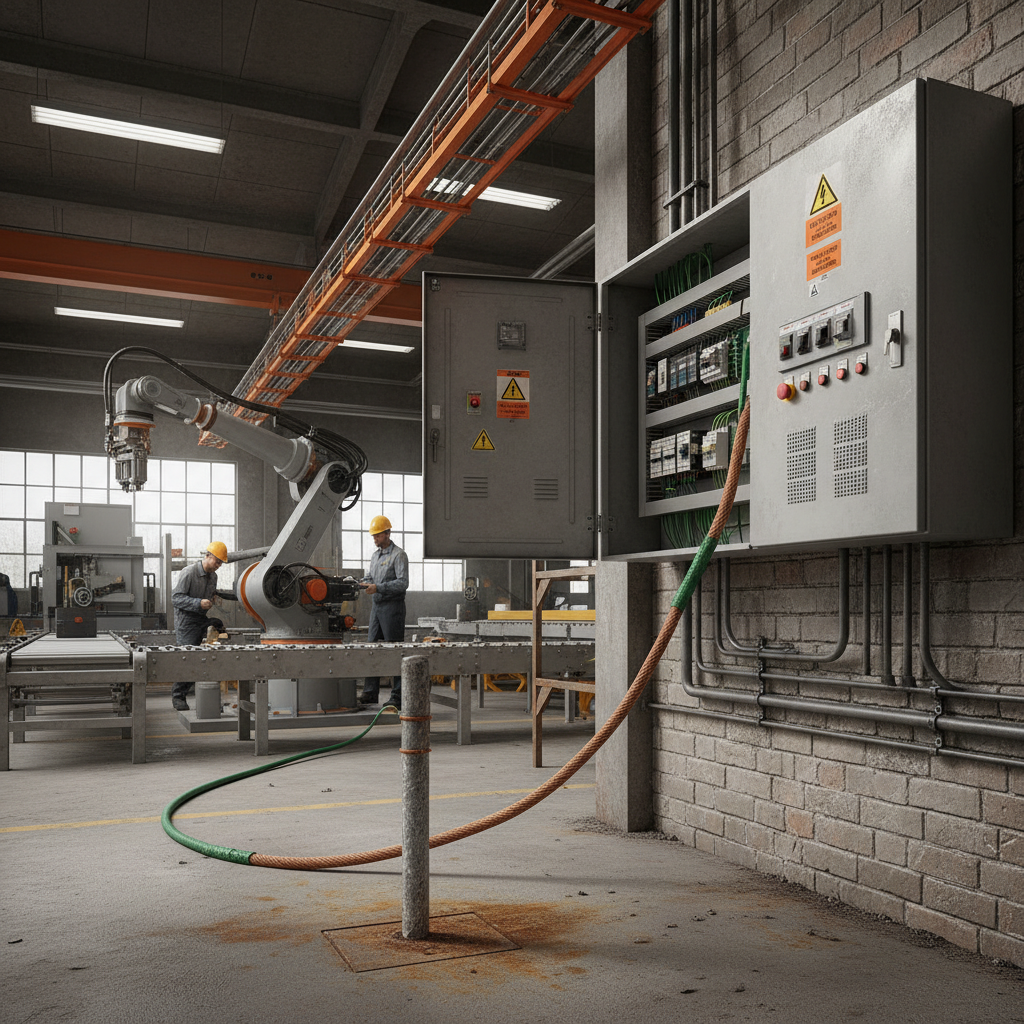
Understanding the Importance of Grounding
A properly grounded electrical system serves several critical functions. First, it provides a low-impedance path for fault currents, allowing circuit breakers or fuses to quickly interrupt the flow of electricity in the event of a short circuit. This minimizes the risk of electrical shock and fire. Second, grounding helps to stabilize voltage levels, reducing the potential for voltage spikes and surges that can damage sensitive electronic equipment. Third, it provides a reference point for voltage measurements, ensuring the accurate operation of electrical devices. Ignoring proper grounding can lead to dangerous situations and costly repairs.
Key Benefits of Proper Grounding: Protection against electrical shock, prevention of fire hazards, stabilization of voltage levels, and safeguarding of electronic equipment.
Materials Required for a Secure Ground Rod to Panel Connection
Establishing a solid ground rod to panel connection requires specific materials. This includes copper grounding wire (typically #6 or #4 AWG, depending on the service size), a grounding clamp to connect the wire to the ground rod, a grounding bus bar inside the electrical panel, and appropriate connectors to join the grounding wire to the bus bar. Using corrosion-resistant materials is crucial, especially for underground connections. Stainless steel grounding rods are preferred over galvanized steel due to their superior corrosion resistance and longevity. Additionally, ensure all connections are UL listed and approved for electrical grounding applications.
Essential Materials:
• Copper Grounding Wire (#6 or #4 AWG)
• Grounding Clamp (for ground rod connection)
• Grounding Bus Bar (inside electrical panel)
• UL Listed Connectors
• Stainless Steel Ground Rod (Recommended)
Ground Rod to Panel Connection Methods: A Comparative Analysis
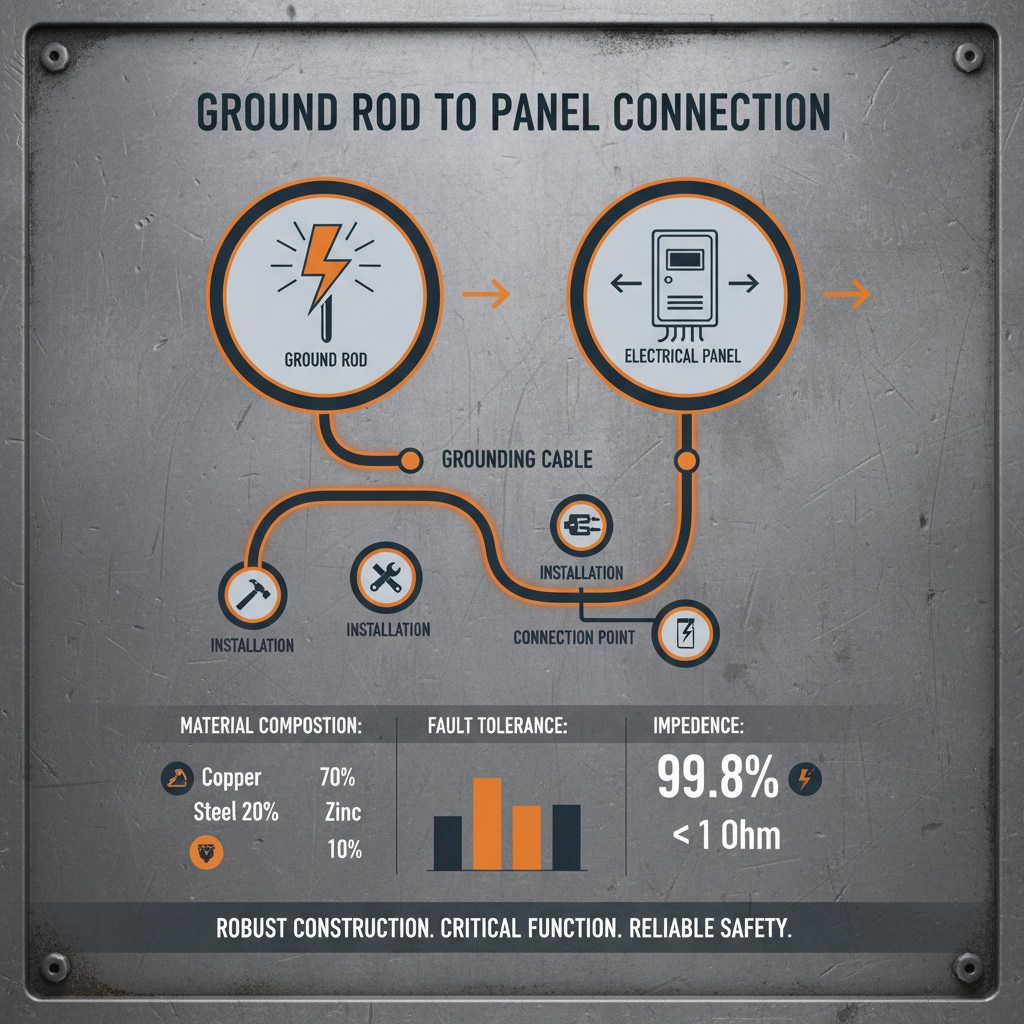
There are several ways to connect the ground rod to the electrical panel. The most common method involves running a continuous copper wire from the ground rod to the grounding bus bar inside the panel. The wire should be securely clamped to the ground rod using an approved grounding clamp and then connected to the bus bar using a suitable connector. Another method, particularly useful when the ground rod is located far from the panel, involves using a grounding conductor cable. However, ensuring a low-impedance connection is crucial regardless of the method used.
Ensuring a Low-Impedance Connection for Optimal Safety
The key to effective grounding is minimizing impedance – the resistance to the flow of electrical current. A high-impedance connection can hinder the operation of circuit breakers and potentially create a dangerous situation. To ensure a low-impedance connection, use properly sized grounding wire, make secure connections at all points, and avoid sharp bends in the grounding wire. Regularly inspect the connection for corrosion or looseness, and tighten or replace components as needed. Testing the grounding system with a ground resistance tester can verify its effectiveness.
Safety Precautions When Working with Grounding Systems
Working with electrical grounding systems can be hazardous. Always de-energize the electrical panel before working on the grounding system. Use insulated tools and wear appropriate personal protective equipment (PPE), including safety glasses and gloves. If you are not comfortable working with electrical systems, it is best to hire a qualified electrician. Following local electrical codes and regulations is crucial for ensuring a safe and compliant installation. Never assume a wire is de-energized – always verify with a voltage tester.
Conclusion: Prioritizing Safety with Proper Grounding
A robust ground rod to panel connection is a fundamental aspect of electrical safety. By understanding the principles of grounding, using the right materials, and following proper installation techniques, you can protect your equipment and yourself from the dangers of electrical faults. Investing in a high-quality grounding system is an investment in safety and peace of mind.
Frequently Asked Questions (FAQs)
How deep should a ground rod be driven?
Generally, a ground rod should be driven at least 8 feet into the ground. However, local codes and soil conditions may require a greater depth. In areas with rocky soil, it may be necessary to use multiple ground rods or a longer rod to achieve sufficient grounding. The goal is to reach consistently moist soil, as moisture helps to improve conductivity. Always consult local electrical codes for specific requirements.
Can I use a galvanized steel ground rod instead of stainless steel?
While galvanized steel ground rods are less expensive, stainless steel is generally preferred due to its superior corrosion resistance. Galvanized steel can corrode over time, particularly in acidic soils, which can increase the impedance of the grounding system. Stainless steel offers a longer lifespan and more reliable performance, making it a better long-term investment, especially in harsh environments.
What is the purpose of the grounding clamp?
The grounding clamp is a crucial component that provides a secure and low-resistance connection between the grounding wire and the ground rod. It’s designed to firmly grip the ground rod without damaging it, ensuring a reliable electrical pathway. Using an approved grounding clamp specifically designed for this purpose is essential for maintaining the integrity of the grounding system. Improperly installed or damaged clamps can significantly increase impedance and compromise safety.
How often should I inspect my grounding system?
It's recommended to visually inspect your grounding system at least once a year, and ideally whenever significant changes are made to the electrical system or after any major weather event. Look for signs of corrosion, looseness, or damage to connections, wires, and the ground rod itself. A ground resistance test should be conducted periodically, especially in older installations, to verify the system's effectiveness.
Latest news
Precision Lifting and Pulling with the Lever Block 0.5 Ton Guide
NewsApr.16,2026
Precision Engineering Guide for High Performance Jet Lever
NewsApr.16,2026
Ultimate Guide to Choosing the Professional Industrial hoist lever
NewsApr.16,2026
Industrial Hoist Lever Chain Guide for Heavy Lifting and Rigging
NewsApr.16,2026
Industrial Lever Hoist Guide for Efficient Lifting and Pulling
NewsApr.16,2026
Ultimate Guide to Hand Ratchet Lift for Heavy Industrial Lifting
NewsApr.16,2026
- CONTACT
- ADDRESS: 188, Fengshou Road, Shijiazhuang. China
- EMAlL: info@bilopowtel.com
- PHONE: 0086-311-88862036
- WHATSAPP: 0086-152-26563165


