



Mar . 17, 2026 01:45 Back to list
Comprehensive Guide to Ground Rod Wiring for Electrical Safety
Understanding Ground Rod Wiring: A Comprehensive Guide
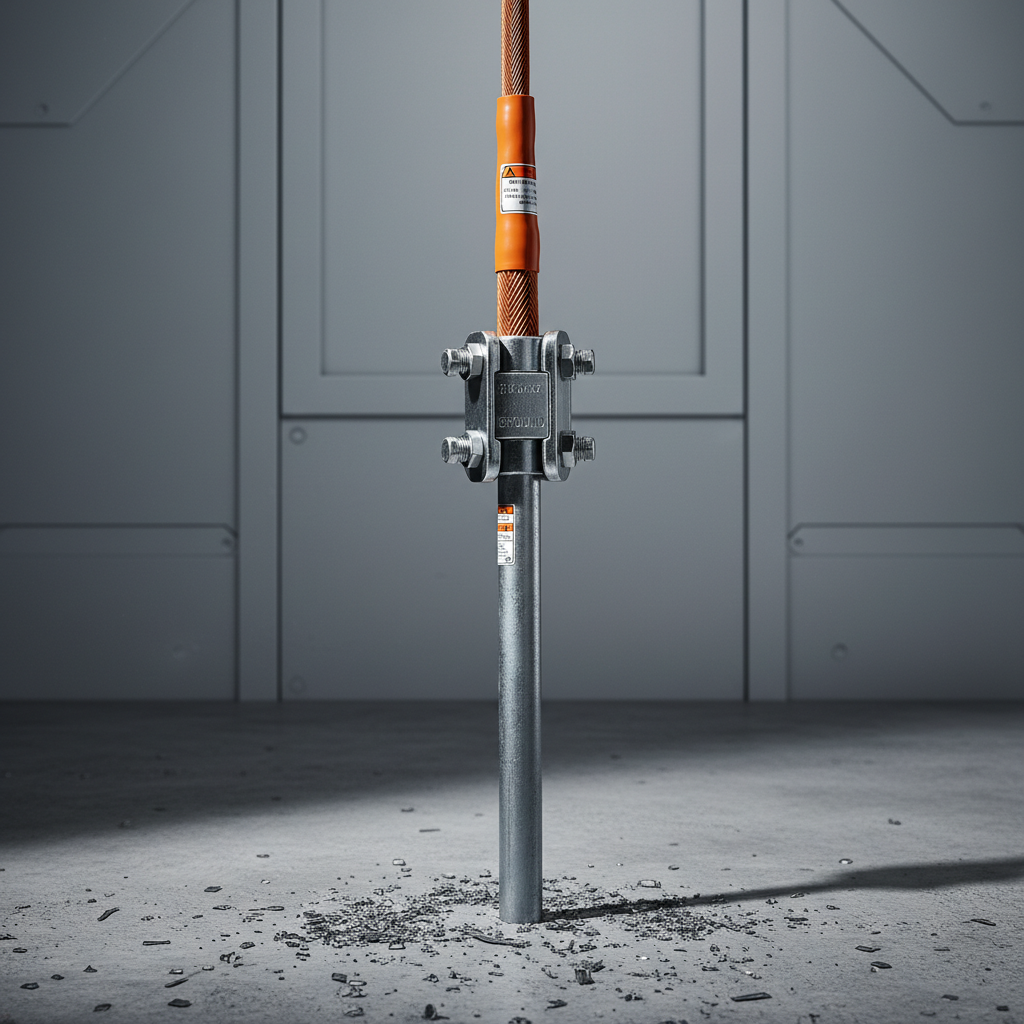
Proper ground rod wiring is crucial for a safe and effective grounding system, protecting both people and equipment from electrical hazards. This article will delve into the intricacies of ground rod wiring, covering best practices, common issues, and the importance of using quality components from reputable suppliers like Bilopowtel. We’ll explore the different types of connections, the importance of proper materials, and how to ensure your grounding system meets relevant safety standards. A well-maintained grounding system is a fundamental aspect of electrical safety.
The Importance of Effective Grounding
Grounding provides a low-resistance path for fault currents to flow back to the source, tripping circuit breakers or fuses and preventing dangerous voltage buildup. Without proper grounding, electrical equipment can become energized, creating a shock hazard. Effective ground rod wiring is a critical component of this system, ensuring a reliable connection to earth. This is especially important in areas prone to lightning strikes or with unstable soil conditions. Incorrect grounding can lead to equipment damage, fire hazards, and potentially fatal electric shocks. Investing in quality materials and professional installation is paramount for ensuring long-term safety and reliability.
Key Benefits: Provides a safe path for fault currents, prevents electrical shock, protects equipment from damage, and minimizes fire hazards.
Ground Rod Wiring Methods: A Comparison
Several methods can be used for ground rod wiring, each with its advantages and disadvantages. The most common include direct burial, using ground rods with clamps, and utilizing grounding rings. Direct burial involves running the ground wire directly into the earth, which is generally not recommended due to potential corrosion and damage. Ground rods with clamps provide a more secure and reliable connection, particularly when using corrosion-resistant materials. Grounding rings offer a wider surface area for dissipation, making them suitable for areas with high soil resistance. Choosing the right method depends on soil conditions, local regulations, and the specific application. Bilopowtel offers a variety of grounding solutions tailored to diverse needs.
Grounding Method Comparison:
• Direct Burial: Least reliable, prone to corrosion.
• Ground Rods with Clamps: Secure, reliable, good corrosion resistance with proper materials.
• Grounding Rings: Ideal for high soil resistance, wider dissipation area.
Key Considerations for Ground Rod Wiring
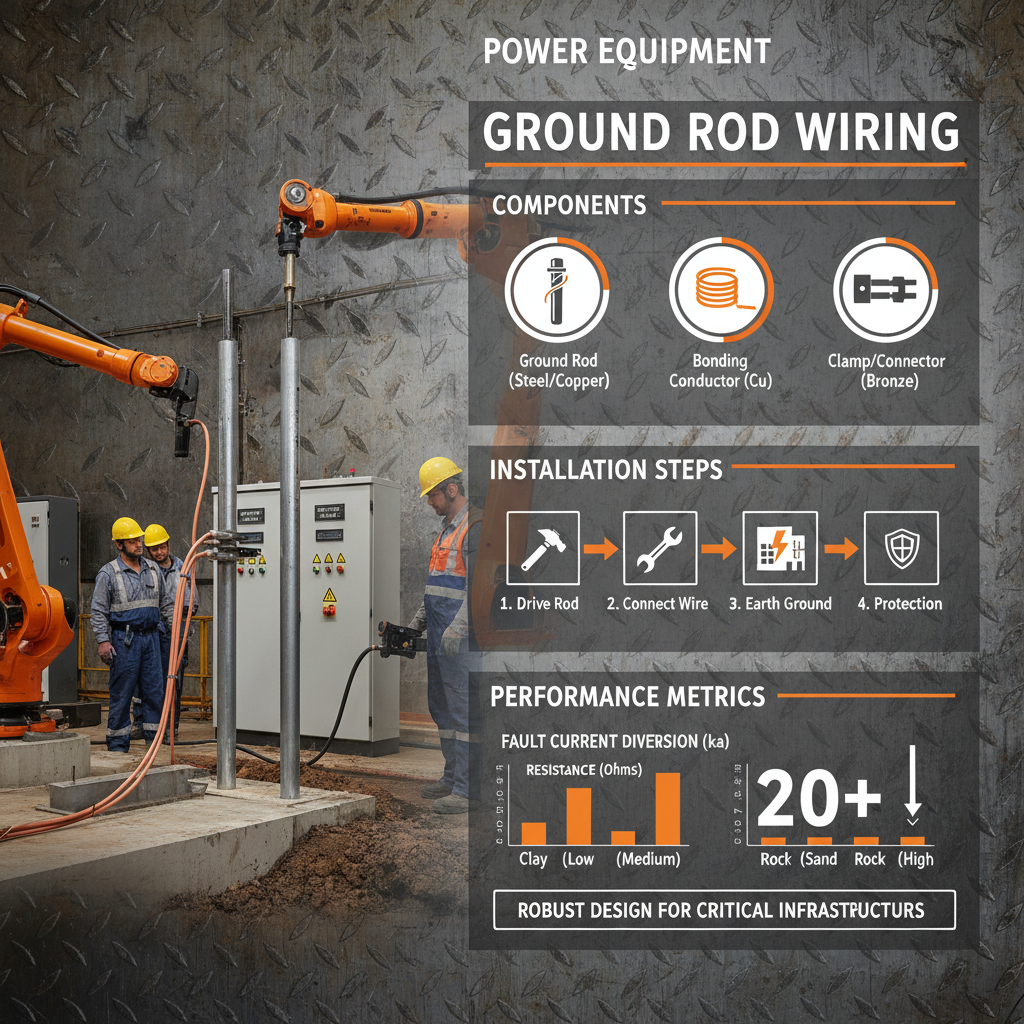
Several factors significantly impact the effectiveness of ground rod wiring. Soil conductivity is a primary concern; sandy or rocky soils offer higher resistance than clay soils. The length and diameter of the ground rod also play a crucial role—longer and thicker rods provide lower resistance. The type of connection between the ground wire and the rod is equally important; using corrosion-resistant clamps and connectors is essential. Furthermore, multiple ground rods may be required for optimal grounding, especially in areas with poor soil conductivity. Regular inspections and maintenance are vital to ensure the grounding system remains effective over time.
Selecting the Right Ground Rods and Connectors
Choosing the appropriate materials is crucial for long-term reliability. Copper-clad steel ground rods offer excellent conductivity and corrosion resistance. Stainless steel connectors are ideal for harsh environments. Avoid using dissimilar metals, as this can lead to galvanic corrosion. Bilopowtel provides a comprehensive selection of high-quality ground rods, connectors, and accessories designed to withstand even the most challenging conditions. Consider the specific environment and potential corrosive factors when making your selection.
Ground Rod Wiring Standards and Regulations
Grounding systems must comply with relevant national and local electrical codes, such as the National Electrical Code (NEC) in the United States. These codes specify requirements for ground rod size, spacing, and connection methods. It’s crucial to consult with a qualified electrician to ensure your grounding system meets all applicable regulations. Compliance with these standards is essential for safety and preventing potential liability issues. Ignoring these codes can lead to fines, insurance complications, and, most importantly, jeopardize safety.
Conclusion: Ensuring a Safe and Reliable Grounding System
Proper ground rod wiring is a cornerstone of electrical safety. By understanding the principles outlined in this guide and utilizing high-quality components from a trusted supplier like Bilopowtel, you can ensure a reliable and effective grounding system that protects people and equipment. Don't compromise on safety – invest in a properly designed and maintained grounding system.
Frequently Asked Questions (FAQs)
What is the recommended depth for installing a ground rod?
The recommended depth for installing a ground rod varies depending on local codes and soil conditions, but generally, it should be driven at least 8 feet (2.4 meters) into the ground. In areas with rocky soil or shallow bedrock, this may not be possible. In such cases, multiple ground rods should be installed and connected in parallel to achieve the required grounding resistance. It's vital to ensure the ground rod is driven vertically to maximize its effectiveness. Consult local electrical codes for specific requirements.
How do I test the effectiveness of my ground rod wiring?
The effectiveness of your ground rod wiring can be tested using a ground resistance tester. This instrument measures the resistance between the ground rod and a distant ground point. Acceptable resistance values vary depending on local codes, but generally, a resistance of 25 ohms or less is considered good. If the resistance is too high, consider adding additional ground rods or improving the soil conductivity around the existing rods. Testing should be performed periodically to ensure the grounding system remains effective.
What types of connectors should I use for ground rod wiring?
Use only connectors specifically designed for grounding applications. These connectors should be made from corrosion-resistant materials like copper or stainless steel. Compression connectors are preferred over set-screw connectors, as they provide a more secure and reliable connection. Ensure the connector is properly sized to accommodate the ground wire and the ground rod. Avoid using connectors that are damaged or corroded. Bilopowtel offers a variety of high-quality grounding connectors.
Can I use copper wire to connect to a galvanized steel ground rod?
While technically possible, connecting copper wire directly to a galvanized steel ground rod is not recommended. This can lead to galvanic corrosion, where the copper corrodes the galvanized steel over time, weakening the connection and increasing resistance. It’s best to use a bimetallic connector specifically designed to prevent galvanic corrosion or utilize a copper-clad steel ground rod. Proper material selection is crucial for ensuring the long-term reliability of your grounding system.
Latest news
Precision Lifting and Pulling with the Lever Block 0.5 Ton Guide
NewsApr.16,2026
Precision Engineering Guide for High Performance Jet Lever
NewsApr.16,2026
Ultimate Guide to Choosing the Professional Industrial hoist lever
NewsApr.16,2026
Industrial Hoist Lever Chain Guide for Heavy Lifting and Rigging
NewsApr.16,2026
Industrial Lever Hoist Guide for Efficient Lifting and Pulling
NewsApr.16,2026
Ultimate Guide to Hand Ratchet Lift for Heavy Industrial Lifting
NewsApr.16,2026
- CONTACT
- ADDRESS: 188, Fengshou Road, Shijiazhuang. China
- EMAlL: info@bilopowtel.com
- PHONE: 0086-311-88862036
- WHATSAPP: 0086-152-26563165


