



Mar . 12, 2026 01:45 Back to list
Comprehensive Guide to Choosing the Right 16mm Ground Rod for Effective Grounding
Choosing the Right Ground Rod: A Guide to 16mm Ground Rods
When building a safe and effective grounding system, selecting the correct ground rod is critical. A 16mm ground rod is a popular choice for a variety of applications, offering a balance of durability and effectiveness. This article will provide a comprehensive overview of 16mm ground rods, covering their uses, materials, installation, and benefits, helping you make an informed decision for your project. Proper grounding is essential for safety and the efficient operation of electrical systems, and choosing the right ground rod is the first step.
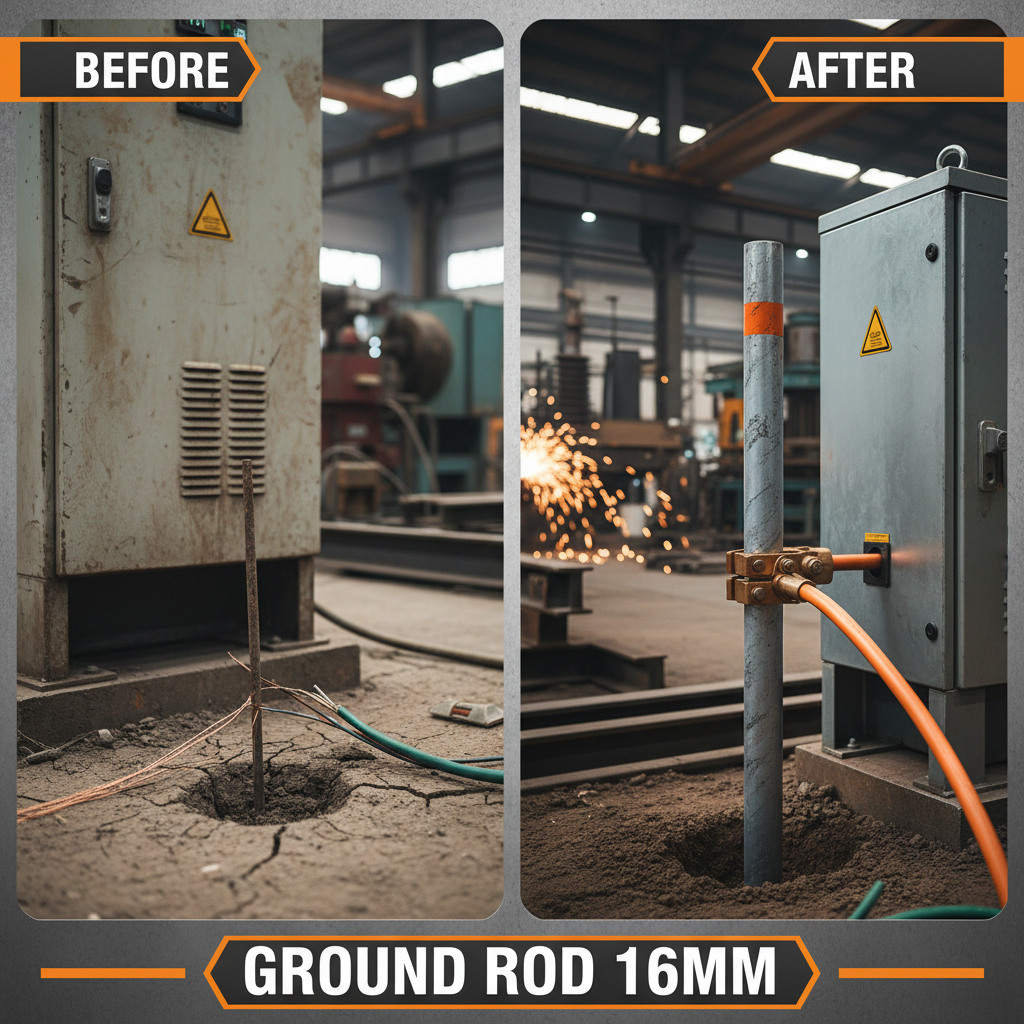
Understanding 16mm Ground Rods: What are they?
A 16mm ground rod, as the name suggests, is a grounding electrode with a diameter of 16 millimeters. These rods are typically made from copper-bonded steel, galvanized steel, or solid copper. They are driven into the earth to provide a low-resistance path for electrical current to dissipate in the event of a fault. This protects people and equipment from electrical shock and damage. The 16mm size is a common standard, balancing cost-effectiveness with sufficient conductivity for many residential and light commercial applications. These rods are versatile and can be used in a variety of soil conditions, but it’s crucial to consider the soil resistivity when selecting and installing them.
Key Benefits: Provides a low-resistance path to ground, protects against electrical shock, and safeguards equipment.
Materials Used in 16mm Ground Rods
The material of a ground rod significantly impacts its conductivity, durability, and cost. Here’s a breakdown of the most common materials:
- Copper-Bonded Steel: This is the most popular choice due to its excellent balance of cost and performance. It features a steel core with a thick layer of copper bonded to the exterior, providing good conductivity and corrosion resistance.
- Galvanized Steel: A more affordable option, galvanized steel rods are coated with zinc to protect against rust. However, they have lower conductivity than copper-bonded steel and are more susceptible to corrosion over time, especially in acidic soils.
- Solid Copper: Offering the highest conductivity and corrosion resistance, solid copper rods are the most expensive option. They are typically used in applications where maximum performance and longevity are required.
16mm Ground Rod: Comparing Material Performance
Choosing the right material for your 16mm ground rod depends on your specific application and budget. The following table provides a detailed comparison of the three main materials:
Proper Installation of a 16mm Ground Rod
Correct installation is crucial for ensuring the effectiveness of a ground rod. Here's a step-by-step guide:
- Choose the Location: Select a location with moist soil and away from underground utilities.
- Driving the Rod: Use a ground rod driver to hammer the rod into the earth. It should be driven until only a few inches are exposed.
- Connecting the Ground Wire: Securely attach the ground wire to the ground rod using an approved clamp.
- Multiple Rods: In areas with high soil resistivity, multiple ground rods may be required, spaced at least the length of the rod apart.
Applications for 16mm Ground Rods
16mm ground rods are suitable for a wide array of applications, including:
- Residential electrical systems
- Light commercial buildings
- Telecommunications equipment grounding
- Lightning protection systems
- Agricultural grounding
Conclusion: Investing in a Reliable Grounding System
Choosing the right ground rod, such as a 16mm option, is a vital investment in safety and system performance. Understanding the different materials, proper installation techniques, and potential applications will empower you to make the best decision for your specific needs. Don't compromise on grounding – it's a critical component of any electrical system.
Frequently Asked Questions (FAQs)
How deep should a 16mm ground rod be driven?
Generally, a 16mm ground rod should be driven until only 6 to 12 inches remain exposed above the ground. However, local electrical codes may have specific requirements. The key is to ensure sufficient contact with moist soil for optimal conductivity. In areas with rocky soil, it may be necessary to use a longer rod or multiple rods to achieve adequate grounding. Consult local regulations and a qualified electrician for guidance.
What is soil resistivity and how does it affect ground rod selection?
Soil resistivity measures how strongly the soil resists the flow of electrical current. High soil resistivity indicates poor conductivity, requiring longer or multiple ground rods to achieve a low-resistance ground. Low soil resistivity means the soil is highly conductive, and fewer or shorter rods may be sufficient. Soil resistivity testing can be performed by a qualified electrician to determine the best grounding solution for your location. Different soil types (sandy, clay, rocky) have different resistivity levels.
Can I use a galvanized steel ground rod in corrosive environments?
While galvanized steel offers some corrosion resistance, it is not ideal for highly corrosive environments such as those with acidic soil or near saltwater. In these situations, copper-bonded steel or solid copper ground rods are recommended, as they provide superior protection against corrosion. Regularly inspecting galvanized steel rods in corrosive environments is crucial to ensure their continued effectiveness and prevent premature failure.
Latest news
Precision Lifting and Pulling with the Lever Block 0.5 Ton Guide
NewsApr.16,2026
Precision Engineering Guide for High Performance Jet Lever
NewsApr.16,2026
Ultimate Guide to Choosing the Professional Industrial hoist lever
NewsApr.16,2026
Industrial Hoist Lever Chain Guide for Heavy Lifting and Rigging
NewsApr.16,2026
Industrial Lever Hoist Guide for Efficient Lifting and Pulling
NewsApr.16,2026
Ultimate Guide to Hand Ratchet Lift for Heavy Industrial Lifting
NewsApr.16,2026
- CONTACT
- ADDRESS: 188, Fengshou Road, Shijiazhuang. China
- EMAlL: info@bilopowtel.com
- PHONE: 0086-311-88862036
- WHATSAPP: 0086-152-26563165


