



Mar . 12, 2026 01:45 Back to list
Comprehensive Guide to 3 8 Ground Rod Selection and Installation
Understanding Ground Rods: A Guide to 3/8" Options
When establishing a reliable grounding system, selecting the appropriate ground rod is crucial. A ground rod, also known as a grounding rod, provides a path for electrical current to safely dissipate into the earth, protecting equipment and personnel. This article focuses on the versatile and widely-used 3/8" ground rod, exploring its applications, benefits, installation, and comparing it to other common sizes. Effective grounding is paramount for safety and performance, and choosing the right ground rod is a key component of a successful installation. Bilo Powtel offers a comprehensive range of grounding solutions.
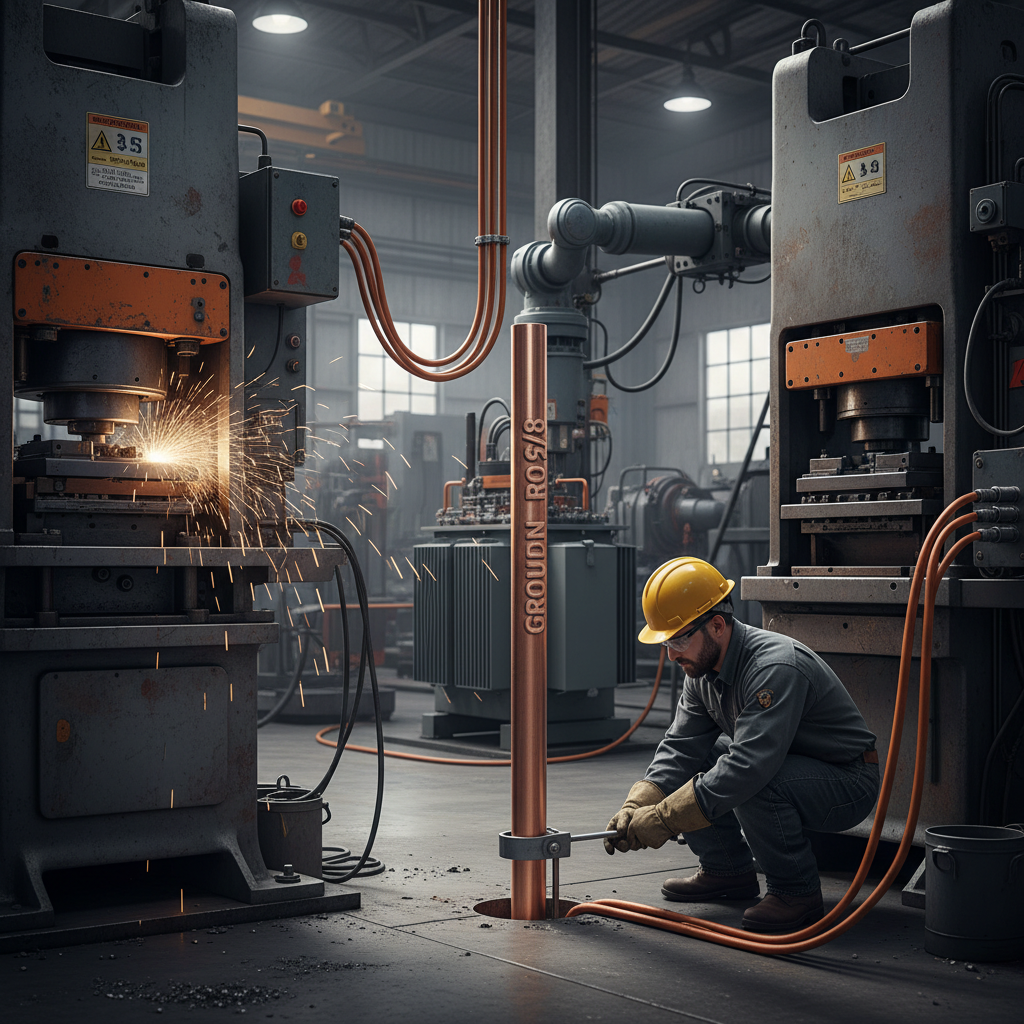
What is a 3/8" Ground Rod and Why Choose It?
A 3/8" ground rod refers to its diameter – 3/8 of an inch. These rods are typically made of copper-bonded steel, galvanized steel, or solid copper. Copper-bonded steel offers an excellent balance between conductivity and cost-effectiveness. The 3/8" diameter strikes a balance between being robust enough for effective grounding and manageable for installation, particularly in challenging soil conditions. They are commonly used in residential, commercial, and light industrial applications where a moderate level of grounding is required. Their smaller diameter makes them easier to drive into the ground compared to larger rods, reducing installation time and effort.
Key Benefits: Easier installation, cost-effective solution, sufficient grounding for many applications, versatile material options (copper-bonded steel, galvanized steel, solid copper).
Applications for 3/8" Ground Rods
The 3/8" ground rod is incredibly versatile and suitable for a wide range of applications. Common uses include: grounding electrical services to homes and buildings, protecting electronic equipment from power surges and lightning strikes, grounding antennas and satellite dishes, grounding metal water pipes, and providing grounding for temporary power systems at construction sites. Their smaller profile also makes them ideal for installations where space is limited. They are frequently used in conjunction with grounding clamps and connectors to create a robust and reliable grounding system. Bilo Powtel provides a full range of connectors to complement these rods.
Common Applications:
• Residential Grounding
• Commercial Building Grounding
• Lightning Protection Systems
• Antenna and Satellite Dish Grounding
Ground Rod Comparison: 3/8" vs. Other Sizes
While 3/8" ground rods are a popular choice, it's important to understand how they compare to other available sizes. Larger diameter rods, such as 1/2" and 5/8", offer lower resistance to ground, making them suitable for applications with high grounding requirements. However, they are more difficult to install and typically more expensive. Here's a comparative look:
Proper Installation Techniques for 3/8" Ground Rods
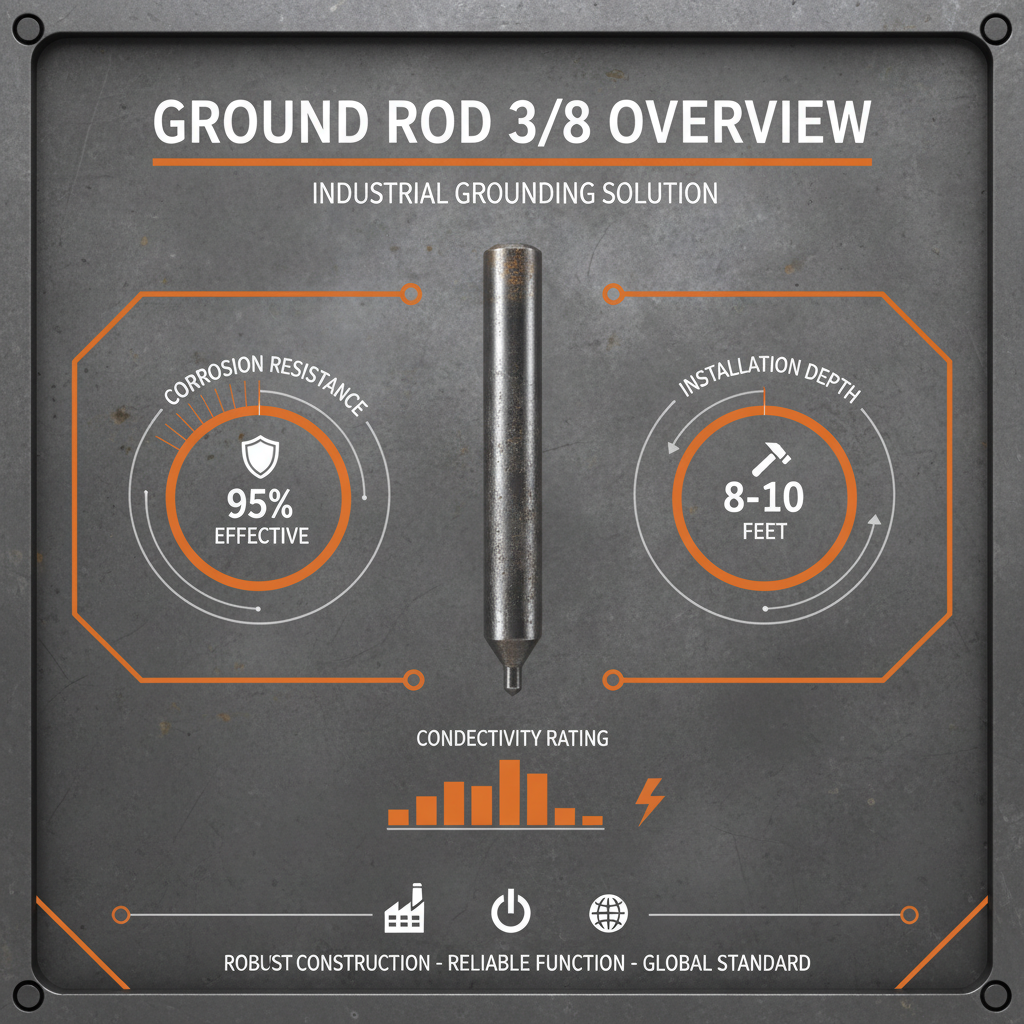
Correct installation is critical for ensuring the effectiveness of a ground rod. The rod should be driven vertically into the ground until only a small portion remains above the surface for connection. Ideally, the rod should be driven at least 8 feet into the ground to reach consistently moist soil. If multiple ground rods are used, they should be spaced at least 6 feet apart. Always use a grounding clamp and connector that is compatible with the ground rod material to establish a secure and low-resistance connection. Regularly inspect the grounding system to ensure its integrity. Bilo Powtel can provide guidance on proper installation techniques.
Conclusion: Choosing the Right Ground Rod for Your Needs
Selecting the appropriate ground rod is a critical step in ensuring a safe and reliable grounding system. The 3/8" ground rod offers a cost-effective and versatile solution for many residential and light commercial applications. Bilo Powtel provides a wide selection of high-quality ground rods and accessories to meet your specific needs.
Investing in a quality grounding system is an investment in safety and peace of mind.
Frequently Asked Questions (FAQs)
What is the recommended depth for installing a 3/8" ground rod?
Ideally, a 3/8" ground rod should be driven at least 8 feet into the ground. This depth ensures that the rod reaches consistently moist soil, providing a low-resistance path for electrical current. However, the specific depth may vary depending on local soil conditions and applicable regulations. In areas with rocky soil or a high water table, it may be necessary to adjust the depth accordingly. Always consult local electrical codes and guidelines for specific requirements.
What materials are 3/8" ground rods typically made from?
3/8" ground rods are commonly made from three materials: copper-bonded steel, galvanized steel, and solid copper. Copper-bonded steel offers an excellent balance of conductivity and cost-effectiveness, making it a popular choice. Galvanized steel is more affordable but has lower conductivity. Solid copper provides the highest conductivity but is also the most expensive option. The best material for your application will depend on your budget and specific grounding requirements. Bilo Powtel offers all three material options.
How do I connect a grounding wire to a 3/8" ground rod?
A grounding wire is connected to a 3/8" ground rod using a grounding clamp specifically designed for that rod diameter. The clamp is attached to the rod and then the grounding wire is secured within the clamp using a set screw. It's crucial to use a clamp that is compatible with both the rod material (copper-bonded steel, galvanized steel, or solid copper) and the grounding wire size. A tight, secure connection is essential for ensuring a low-resistance path to ground.
Latest news
Precision Lifting and Pulling with the Lever Block 0.5 Ton Guide
NewsApr.16,2026
Precision Engineering Guide for High Performance Jet Lever
NewsApr.16,2026
Ultimate Guide to Choosing the Professional Industrial hoist lever
NewsApr.16,2026
Industrial Hoist Lever Chain Guide for Heavy Lifting and Rigging
NewsApr.16,2026
Industrial Lever Hoist Guide for Efficient Lifting and Pulling
NewsApr.16,2026
Ultimate Guide to Hand Ratchet Lift for Heavy Industrial Lifting
NewsApr.16,2026
- CONTACT
- ADDRESS: 188, Fengshou Road, Shijiazhuang. China
- EMAlL: info@bilopowtel.com
- PHONE: 0086-311-88862036
- WHATSAPP: 0086-152-26563165


