



Mar . 07, 2026 01:45 Back to list
Essential Guide to Selecting the Right Clamp for Ground Rod Systems
Choosing the Right Clamp for Ground Rod: A Comprehensive Guide
Ensuring a secure and reliable grounding system is critical for safety and optimal performance in various applications, from electrical installations to telecommunications. A key component of this system is the clamp for ground rod, which connects the ground wire to the grounding electrode (ground rod). Selecting the appropriate clamp is essential for maintaining a low-resistance connection and preventing corrosion. This article will provide a detailed overview of clamps for ground rods, covering types, materials, installation, and key considerations for choosing the right clamp for your needs. A properly chosen clamp ensures long-term reliability and safety for your grounding system.
Understanding Different Types of Ground Rod Clamps
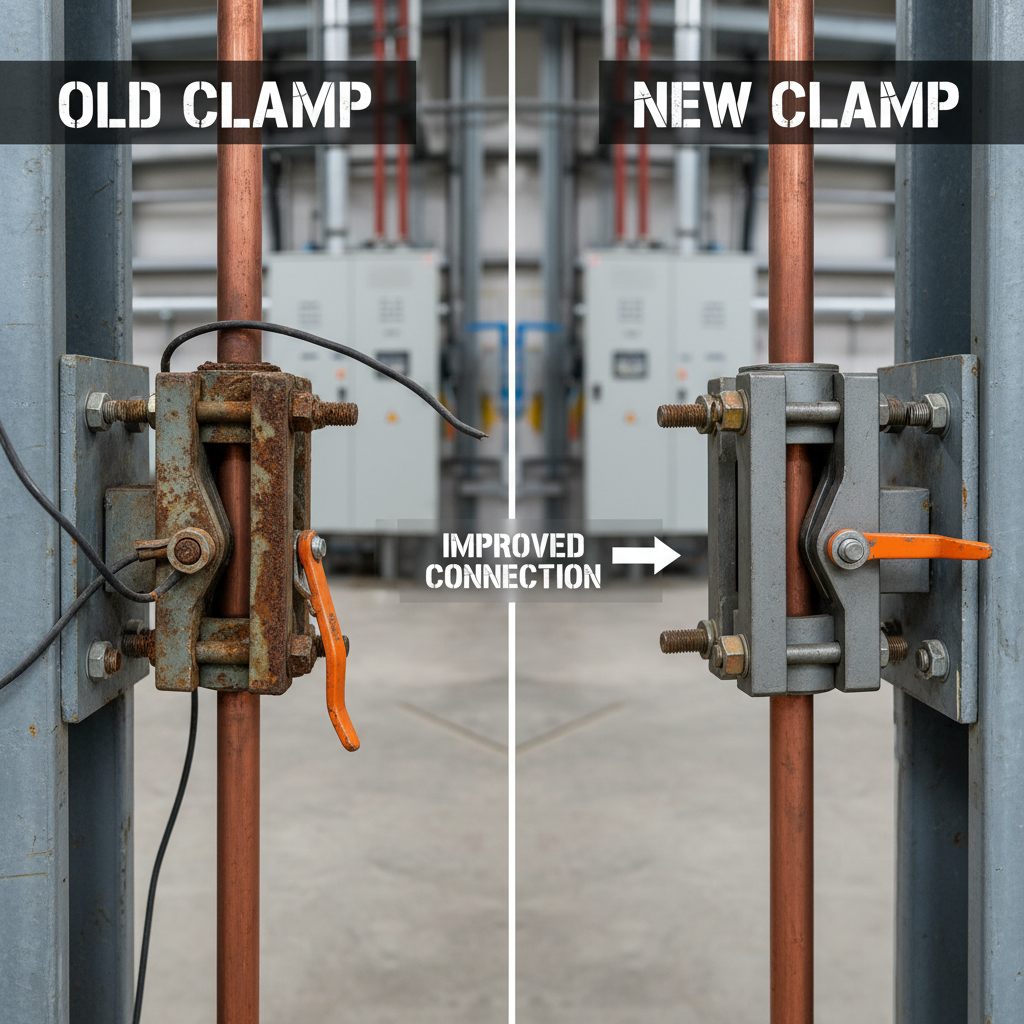
Ground rod clamps come in a variety of types, each designed for specific ground rod sizes and applications. Common types include side-mount clamps, top-mount clamps, and split-bolt connectors. Side-mount clamps are attached to the side of the ground rod, offering easy installation. Top-mount clamps connect to the top of the rod, providing a more secure connection in some cases. Split-bolt connectors are used to connect multiple ground rods together, creating a larger grounding network. Understanding these differences is vital for selecting the most appropriate clamp for your project. Bilopowtel offers a wide selection of these clamp types to suit diverse requirements.
Key Takeaway: Choosing the right clamp type is determined by the ground rod size, installation method, and desired connection security.
Material Considerations for Long-Term Reliability
The material of the clamp for ground rod significantly impacts its resistance to corrosion and overall lifespan. Common materials include copper, brass, and stainless steel. Copper clamps offer excellent conductivity but can corrode in certain soil conditions. Brass is more corrosion-resistant than copper but has lower conductivity. Stainless steel provides superior corrosion resistance and strength, making it ideal for harsh environments. It’s crucial to select a material compatible with the surrounding soil chemistry to prevent premature failure. Bilopowtel's clamps are available in multiple materials to meet diverse environmental demands.
Material Comparison:
• Copper: Excellent conductivity, moderate corrosion resistance.
• Brass: Good corrosion resistance, lower conductivity.
• Stainless Steel: Superior corrosion resistance, high strength.
Choosing the Right Clamp for Ground Rod Based on Ground Rod Size
Ground rods come in various diameters, and selecting a clamp that matches the rod size is paramount. Using a clamp that’s too small will result in a loose connection, increasing resistance. A clamp that’s too large may not provide sufficient contact area. Ensure the clamp is specifically designed for the diameter of your ground rod. Here’s a general guideline:
Proper Installation Techniques for a Secure Connection
Correct installation is critical for ensuring a low-resistance connection. Before installing the clamp for ground rod, clean the ground rod thoroughly to remove any dirt, rust, or coatings. Ensure the clamp is securely tightened onto the rod, but avoid over-tightening, which could damage the clamp or the rod. Use appropriate tools for tightening and follow the manufacturer’s instructions. Finally, verify the connection with a ground resistance tester to ensure it meets safety standards.
Regulatory Compliance and Safety Standards
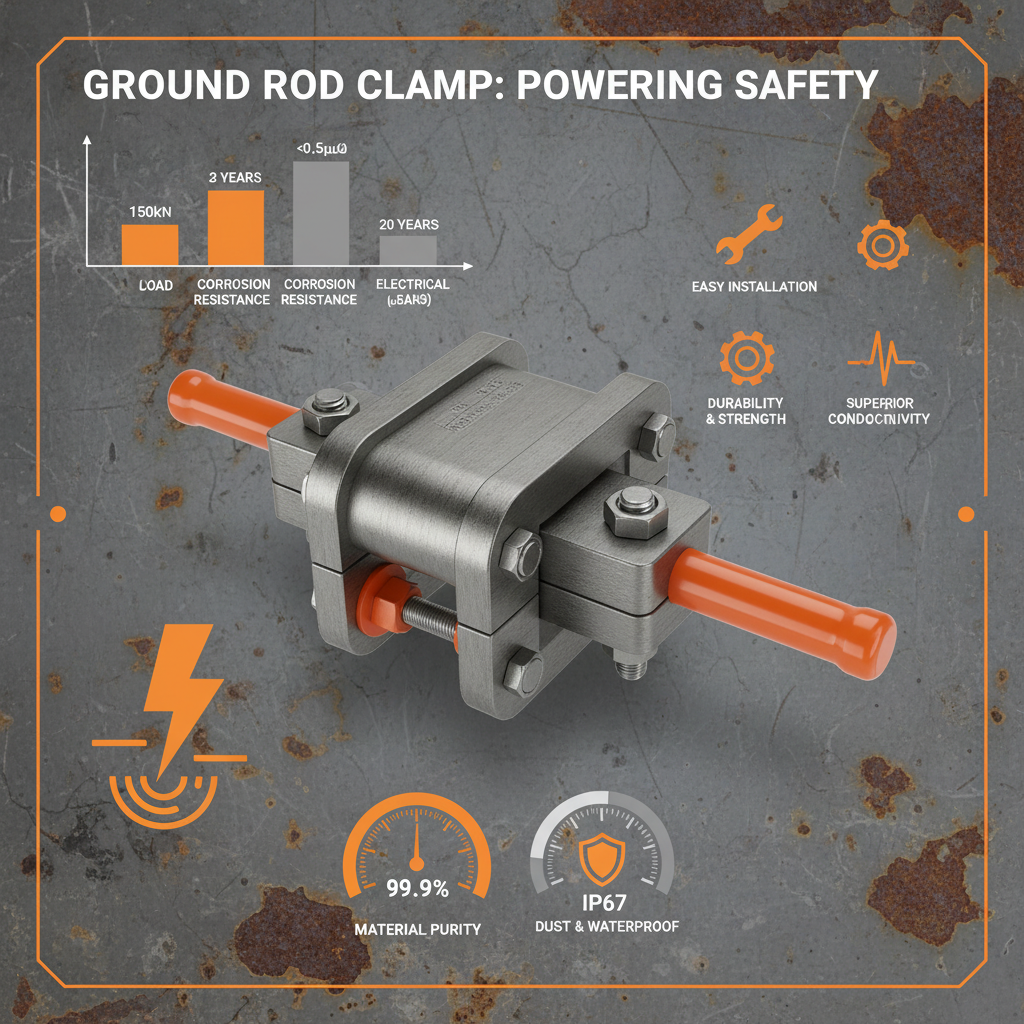
Grounding systems and their components, including clamps, must comply with relevant safety standards and regulations, such as those set by the National Electrical Code (NEC) in the United States. These standards specify requirements for materials, installation, and testing to ensure the safety and effectiveness of the grounding system. Using clamps that meet these standards is essential for avoiding potential hazards and ensuring compliance with local regulations. Bilopowtel ensures that all its products meet or exceed relevant industry standards.
Conclusion: Selecting the Right Ground Rod Clamp for a Reliable System
Choosing the correct clamp for ground rod is crucial for the safety and reliability of any grounding system. By considering factors like clamp type, material, ground rod size, and installation techniques, you can ensure a secure and long-lasting connection. Investing in high-quality clamps that meet industry standards will provide peace of mind and protect your equipment and personnel. Don’t compromise on safety—choose wisely.
Frequently Asked Questions (FAQs)
What is the importance of a low-resistance connection in a grounding system?
A low-resistance connection is paramount because it provides a clear and efficient path for fault currents to flow to the earth. This prevents voltage buildup on equipment, reducing the risk of electric shock and equipment damage. High resistance can impede the flow of current, potentially causing dangerous voltage levels and hindering the effectiveness of protective devices like circuit breakers. Maintaining a low resistance ensures the grounding system functions correctly during a fault condition, safeguarding personnel and equipment. Regular testing and inspection of the ground rod clamp are essential to verify low resistance over time.
How often should ground rod clamps be inspected?
Ground rod clamps should be inspected at least annually, or more frequently in harsh environments. During inspection, check for signs of corrosion, damage, or looseness. Ensure the clamp is securely fastened to the ground rod and that the connection is clean and free from debris. A ground resistance test should also be performed to verify the integrity of the connection. Documenting inspection results can help track the condition of the grounding system over time and identify potential issues before they become serious problems.
Can different types of ground rods be used with the same clamp?
Generally, no. Different types of ground rods (e.g., copper-clad steel, galvanized steel, solid copper) require specific clamps designed to ensure compatibility and optimal conductivity. Using an incompatible clamp can lead to corrosion, increased resistance, and a compromised grounding system. Always consult the clamp manufacturer’s specifications to verify compatibility with the ground rod material and diameter. Bilopowtel provides detailed compatibility information for all its products.
What is the best way to prevent corrosion of ground rod clamps?
Preventing corrosion involves several steps. First, choose a clamp made from a corrosion-resistant material like stainless steel. Second, apply a corrosion inhibitor to the connection point. Third, ensure the surrounding soil is properly graded to promote drainage and prevent water accumulation. Regular inspection and cleaning of the clamp can also help identify and address corrosion early on. If corrosion is present, replace the clamp to maintain the integrity of the grounding system.
Latest news
Precision Lifting and Pulling with the Lever Block 0.5 Ton Guide
NewsApr.16,2026
Precision Engineering Guide for High Performance Jet Lever
NewsApr.16,2026
Ultimate Guide to Choosing the Professional Industrial hoist lever
NewsApr.16,2026
Industrial Hoist Lever Chain Guide for Heavy Lifting and Rigging
NewsApr.16,2026
Industrial Lever Hoist Guide for Efficient Lifting and Pulling
NewsApr.16,2026
Ultimate Guide to Hand Ratchet Lift for Heavy Industrial Lifting
NewsApr.16,2026
- CONTACT
- ADDRESS: 188, Fengshou Road, Shijiazhuang. China
- EMAlL: info@bilopowtel.com
- PHONE: 0086-311-88862036
- WHATSAPP: 0086-152-26563165


