



Mar . 21, 2026 01:45 Back to list
Comprehensive Guide to Pool Bonding and the Vital Role of a Ground Rod
Understanding Pool Bonding and the Importance of a Ground Rod
Maintaining a safe swimming environment is paramount for pool owners. A crucial aspect of this safety is proper pool bonding, which relies heavily on a correctly installed pool bonding ground rod. This article will comprehensively cover the purpose of pool bonding, the role of the ground rod, installation best practices, and troubleshooting common issues. We’ll explore why a properly bonded pool is essential to protect swimmers and comply with electrical safety regulations. Ignoring these measures can lead to dangerous, potentially fatal, electrical hazards.
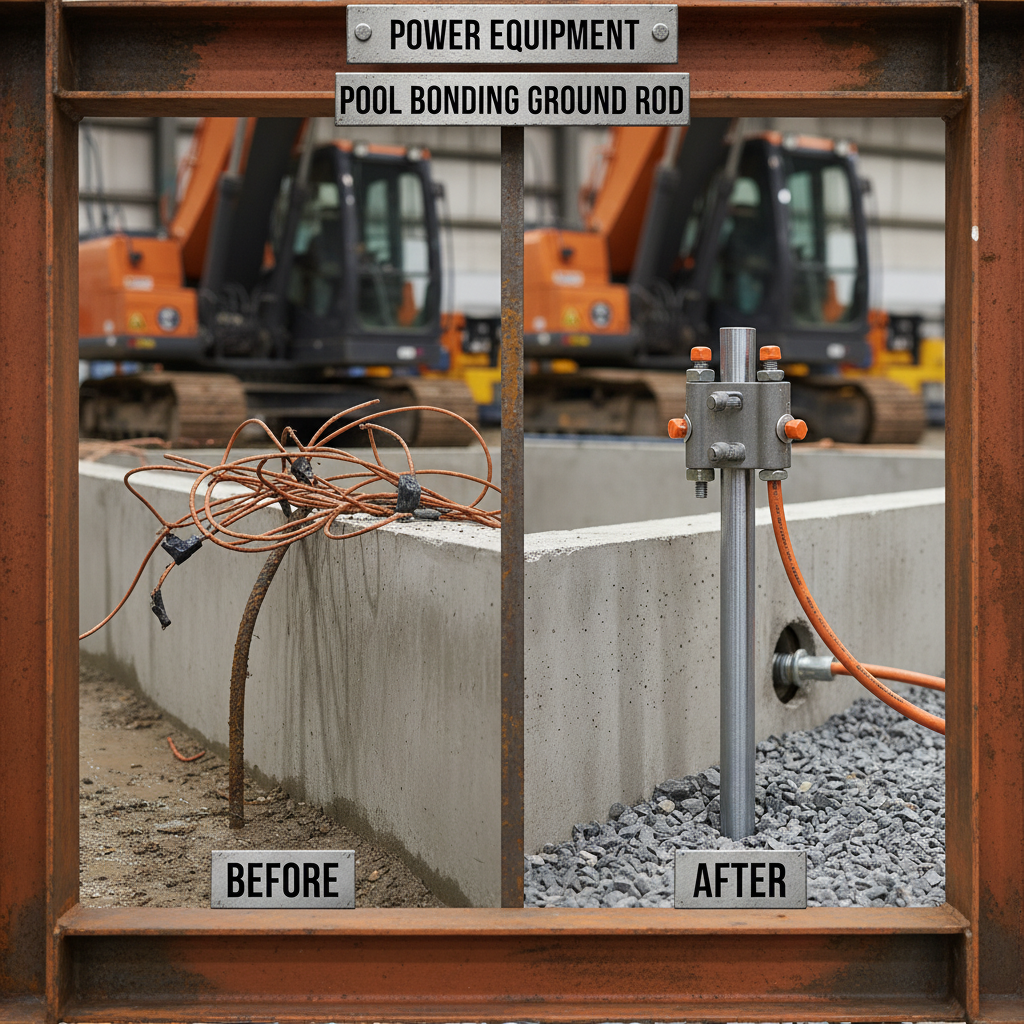
What is Pool Bonding and Why is it Necessary?
Pool bonding is the process of electrically connecting all metallic components within and around your pool area – including pumps, filters, ladders, railings, and even the reinforcing steel (rebar) within the pool structure itself. The purpose is to create an equipotential plane, meaning all these metal objects will be at the same electrical potential. This eliminates voltage differences that could shock a swimmer if a fault occurs. Without bonding, a fault current could energize these metal parts, turning them into potential shock hazards. Properly bonding ensures that if a fault does occur, the current will follow the path of least resistance – back to the electrical source – tripping a circuit breaker or GFCI (Ground Fault Circuit Interrupter) and cutting off the power.
Key Takeaway: Pool bonding doesn’t prevent electrical faults, it redirects fault current to activate safety devices and protect swimmers.
The Role of the Pool Bonding Ground Rod
The pool bonding ground rod is a critical component of the overall bonding system. It provides a direct connection to the earth, serving as a low-resistance pathway for fault current. Typically made of copper or copper-clad steel, the ground rod is driven into the ground near the pool equipment. All bonded metal components are connected to the ground rod via bonding wires. The effectiveness of the ground rod hinges on proper installation and soil conductivity. A poorly installed or corroded ground rod can significantly compromise the entire bonding system.
Ground Rod Functions:
• Provides a low-resistance path to earth for fault current.
• Completes the electrical circuit for the bonding system.
• Works in conjunction with GFCI’s to ensure swimmer safety.
Pool Bonding Ground Rod: Types and Specifications
There are several types of ground rods available. Copper ground rods are the most effective but also the most expensive. Copper-clad steel ground rods offer a more cost-effective alternative, providing good conductivity with added strength. The National Electrical Code (NEC) specifies minimum requirements for ground rod length and diameter, which depend on local soil conditions. Generally, an 8-foot ground rod is common, but in areas with high soil resistivity, multiple ground rods may be required, spaced at least the length of the rod apart. Bilo Powtel provides ground rods meeting or exceeding NEC standards.
Proper Installation Techniques for Maximum Effectiveness
Correct installation is just as important as the quality of the pool bonding ground rod. It should be driven vertically into the ground to its full depth, leaving only a few inches exposed for connection. The surrounding soil should be firmly packed, and in dry or rocky soil, a grounding funnel (water-filled) may be necessary to ensure good contact. All connections to the ground rod must be tight and corrosion-resistant, using approved bonding connectors. Regular inspection of these connections is vital to maintain the system’s integrity.
Conclusion: Prioritizing Safety with Proper Pool Bonding
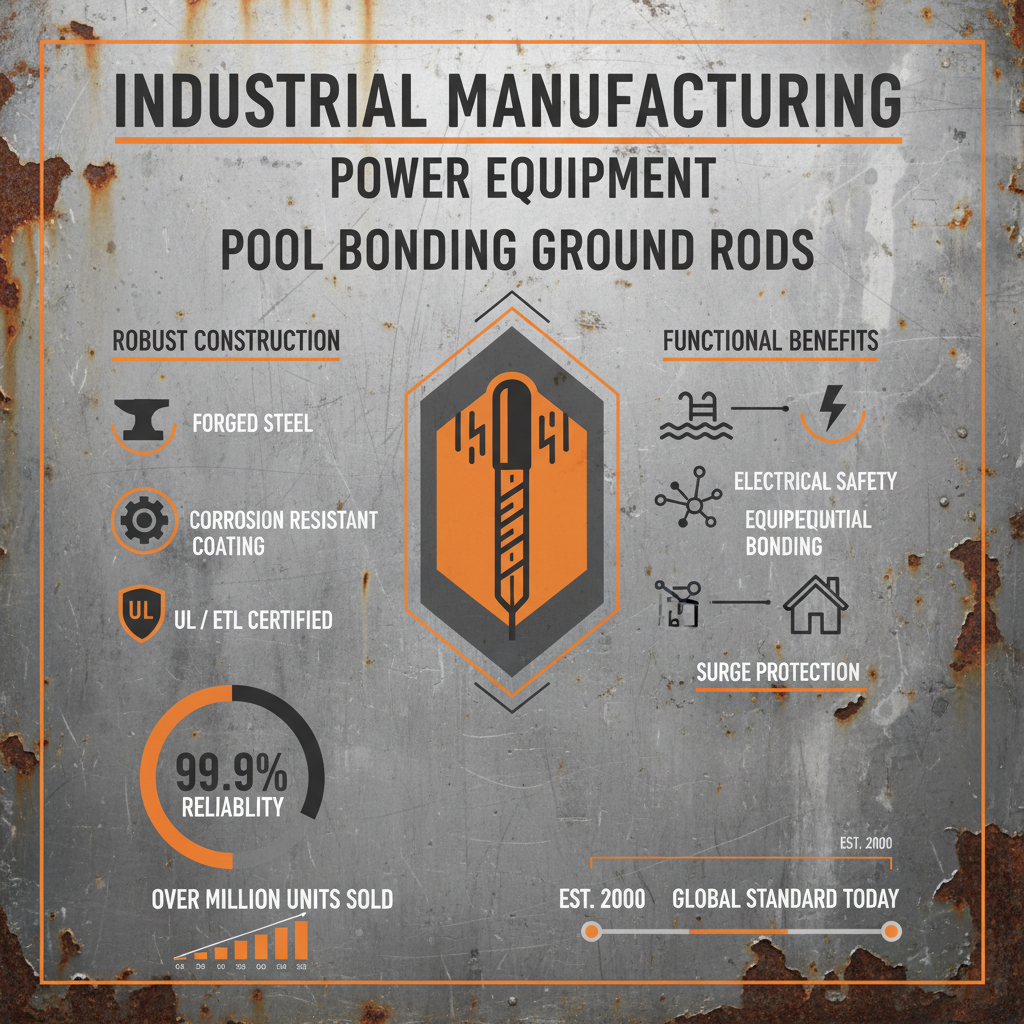
Investing in a properly installed and maintained pool bonding system, including a reliable pool bonding ground rod, is non-negotiable for pool owners. It's not just about compliance with electrical codes; it’s about protecting the lives of swimmers. Bilo Powtel provides high-quality grounding solutions and expert advice to ensure your pool is a safe and enjoyable environment. Don’t compromise on safety – take the necessary steps to bond your pool correctly.
Frequently Asked Questions (FAQs)
How often should I inspect my pool bonding system?
It's recommended to inspect your pool bonding system at least annually, and ideally before and after the swimming season. Check all bonding connections for corrosion, tightness, and damage. Visually inspect the ground rod for any signs of deterioration. If you notice any issues, contact a qualified electrician immediately. Regular inspections can identify potential problems before they become dangerous.
Can I install a pool bonding ground rod myself?
While it’s technically possible, installing a pool bonding ground rod is best left to a qualified and licensed electrician. They have the knowledge and experience to ensure proper installation, adherence to local codes, and accurate testing of the system. Incorrect installation can render the system ineffective and create a safety hazard.
What is the purpose of a GFCI and how does it work with pool bonding?
A Ground Fault Circuit Interrupter (GFCI) is a safety device that quickly cuts off power when it detects a ground fault – a leakage of current to ground. It works in conjunction with pool bonding by providing an additional layer of protection. If a fault current reaches a dangerous level, the GFCI will trip, even if the bonding system is functioning correctly. Both systems are crucial for swimmer safety, and both must be properly installed and maintained.
Latest news
Precision Lifting and Pulling with the Lever Block 0.5 Ton Guide
NewsApr.16,2026
Precision Engineering Guide for High Performance Jet Lever
NewsApr.16,2026
Ultimate Guide to Choosing the Professional Industrial hoist lever
NewsApr.16,2026
Industrial Hoist Lever Chain Guide for Heavy Lifting and Rigging
NewsApr.16,2026
Industrial Lever Hoist Guide for Efficient Lifting and Pulling
NewsApr.16,2026
Ultimate Guide to Hand Ratchet Lift for Heavy Industrial Lifting
NewsApr.16,2026
- CONTACT
- ADDRESS: 188, Fengshou Road, Shijiazhuang. China
- EMAlL: info@bilopowtel.com
- PHONE: 0086-311-88862036
- WHATSAPP: 0086-152-26563165


