



Apr . 09, 2026 01:45 Back to list
Industrial Lifting Efficiency Using the Cable Lever Hoist
Maximizing Industrial Efficiency with the Cable Lever Hoist
In the demanding world of industrial lifting and rigging, precision and reliability are non-negotiable. The cable lever hoist serves as a cornerstone for professionals who need to move heavy loads in tight spaces where electric cranes cannot reach. By combining the strength of high-grade steel cables with the intuitive control of a lever mechanism, these tools provide an unparalleled balance of power and safety. Whether you are working in construction, mining, or maritime maintenance, understanding how to choose and operate the right lifting equipment is essential for operational success. In this guide, we will explore the technical advantages and practical applications of these robust lifting solutions.
The Engineering Behind the Cable Lever Hoist
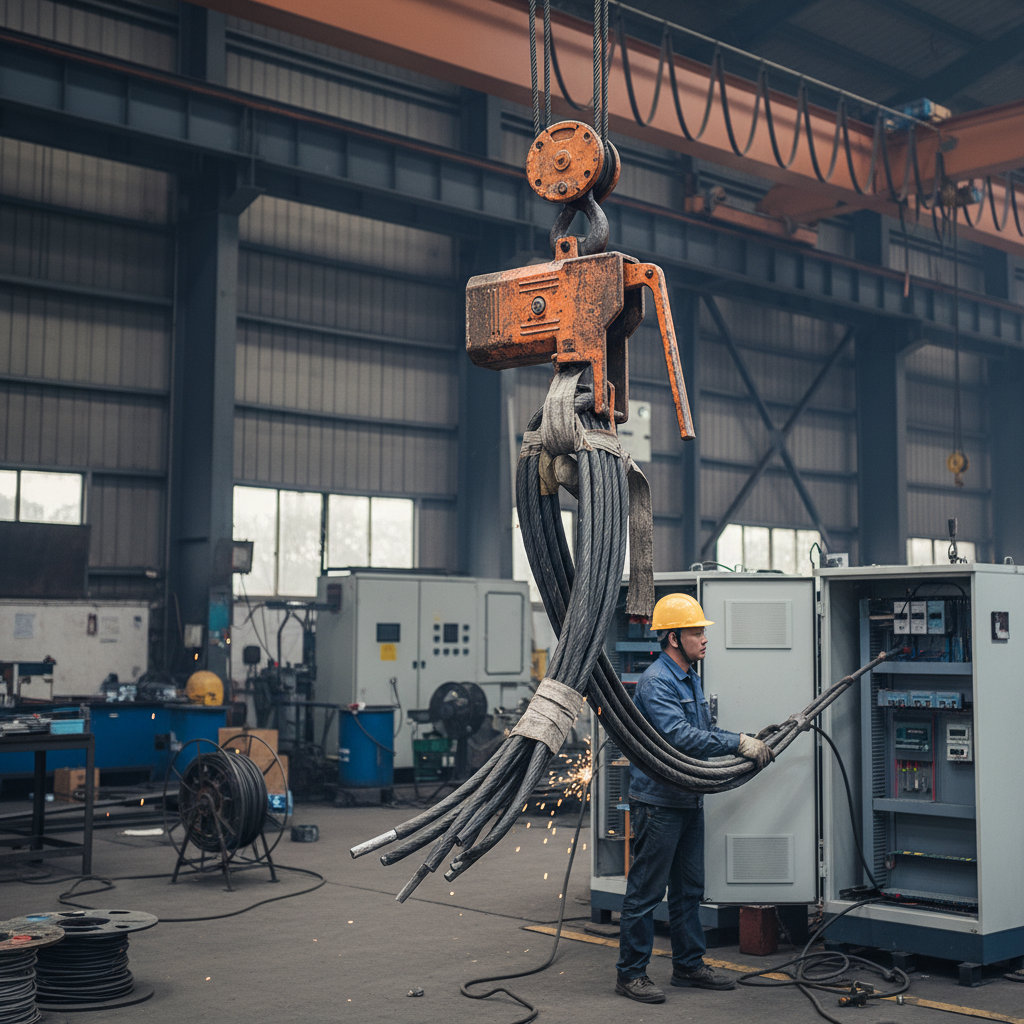
The core strength of a cable lever hoist lies in its mechanical advantage. Unlike chain hoists, the wire rope construction allows for a more compact design and often provides smoother operation over longer lift distances. The internal gearing system multiplies the force applied to the handle, allowing a single operator to lift several tons with minimal effort. High-tensile steel cables are used to ensure that the hoist can withstand extreme tension without stretching or snapping, while the braking system ensures that the load remains locked in place securely, preventing any accidental slips.
Pro Tip: Always check the wire rope for fraying or kinking before every lift. A well-maintained cable ensures the longevity of the gear system and the safety of the entire crew.
Comparing Cable Lever Hoists vs. Chain Hoists
When selecting lifting gear, the debate often comes down to whether a cable lever hoist or a chain hoist is more appropriate. Cable hoists are generally preferred for applications requiring faster lifting speeds and a more flexible "lead" to the load. However, chain hoists may offer slightly higher load capacities in some specific heavy-duty models. The decision typically depends on the environment; cables are excellent for versatility, whereas chains are traditional for rigid, vertical lifts. The following table highlights the primary differences to help you decide.
Practical Applications of the Cable Lever Hoist
The versatility of the cable lever hoist makes it indispensable across various sectors. In wind turbine installation, these hoists are used to position heavy components in high-altitude nacelles. In the oil and gas industry, they facilitate the movement of piping and valves in cramped refinery environments. Additionally, they are widely used in bridge construction for tensioning and positioning steel beams. The ability to operate manually without needing an external power source allows these tools to be used in remote locations or hazardous zones where sparks from electrical equipment could be dangerous.
Technical Specifications for Selection
When purchasing a cable lever hoist, it is critical to match the technical specifications to your specific load requirements. Overloading a hoist not only damages the internal gears but poses a severe safety risk. You must consider the Working Load Limit (WLL), the maximum lift height, and the grade of the cable. Using a hoist with a safety factor of 4:1 or 5:1 is industry standard to ensure a margin of error. Below are the typical specifications you will encounter when browsing professional lifting catalogs.
Maintenance and Safety Protocols
To ensure the long-term reliability of your cable lever hoist, a strict maintenance schedule is mandatory. Lubrication of the wire rope is the most important step, as it prevents corrosion and reduces friction between the cable and the drum. Operators should perform a daily visual check for any signs of "bird-caging" or broken strands in the cable. Additionally, the hoist hooks should be inspected for opening or twisting. Following these safety protocols not only extends the life of the equipment but protects the most valuable asset on any job site: the workers.
Essential Safety Checklist:
• Verify WLL (Working Load Limit) before every lift
• Ensure the hoist is anchored to a certified structural point
• Keep a safe distance from the load during movement
• Lubricate wire ropes every 50 operating hours
Conclusion: Choosing the Right Cable Lever Hoist
Investing in a high-quality cable lever hoist is an investment in both productivity and safety. By understanding the mechanical advantages, choosing the correct specifications, and adhering to a rigorous maintenance plan, businesses can significantly reduce downtime and risk. Whether you are lifting in a wind turbine or a ship's hull, the right tool makes all the difference. Visit our official website to find the perfect lifting solution for your industrial needs.
Frequently Asked Questions (FAQs)
How do I determine the correct capacity for my hoist?
To determine the correct capacity, you must first calculate the total weight of the load, including any rigging gear like slings or shackles. It is a critical safety rule to never choose a hoist that exactly matches the load weight; instead, apply a safety margin of at least 20-25%. For example, if your load is 2 tons, a 2.5-ton or 3-ton hoist is a safer choice. Always refer to the manufacturer's Working Load Limit (WLL) stamped on the device to ensure compliance with safety standards.
What are the signs that the cable needs replacement?
The most common sign is "bird-caging," where the outer strands of the cable separate and bulge. You should also look for kinking, severe corrosion (rust), or a high number of broken individual wires in a single strand. If the cable begins to slip on the drum or if the hoist becomes jerky during operation, it may indicate that the cable is worn or incorrectly seated. For safety, any cable showing visible structural damage should be replaced immediately by a certified technician.
Can a cable lever hoist be used for permanent suspension?
No, a cable lever hoist is designed for lifting, positioning, and tensioning—not for permanent load suspension. While they have robust braking systems, they are intended for temporary holds. For long-term suspension, you should transfer the load to a permanent support system or use specialized fixed-load rigging. Using a lever hoist for permanent suspension can lead to brake fatigue and increases the risk of a catastrophic failure over time.
How often should I lubricate the wire rope?
Lubrication frequency depends on the environment. In clean, indoor settings, a monthly check may suffice. However, in corrosive environments—such as saltwater air on a ship or dusty mining sites—lubrication should occur every 50 operating hours or weekly. Use a high-quality industrial lubricant specifically designed for wire ropes to penetrate the core and prevent internal friction and rust. Proper lubrication significantly reduces wear and ensures the hoist operates smoothly for years.
Latest news
Precision Lifting and Pulling with the Lever Block 0.5 Ton Guide
NewsApr.16,2026
Precision Engineering Guide for High Performance Jet Lever
NewsApr.16,2026
Ultimate Guide to Choosing the Professional Industrial hoist lever
NewsApr.16,2026
Industrial Hoist Lever Chain Guide for Heavy Lifting and Rigging
NewsApr.16,2026
Industrial Lever Hoist Guide for Efficient Lifting and Pulling
NewsApr.16,2026
Ultimate Guide to Hand Ratchet Lift for Heavy Industrial Lifting
NewsApr.16,2026
- CONTACT
- ADDRESS: 188, Fengshou Road, Shijiazhuang. China
- EMAlL: info@bilopowtel.com
- PHONE: 0086-311-88862036
- WHATSAPP: 0086-152-26563165


