



Mar . 14, 2026 01:45 Back to list
Comprehensive Guide to Choosing the Right Ground Rod for Hot Tub Safety
Choosing the Right Ground Rod for Your Hot Tub: A Comprehensive Guide
Maintaining a safe and properly grounded hot tub is paramount for preventing electrical hazards. A crucial component of this safety system is the ground rod for hot tub. This article will delve into the importance of grounding, the different types of ground rods available, installation best practices, and factors to consider when selecting the right rod for your needs. We'll ensure you understand how to choose a rod that provides optimal safety and peace of mind.
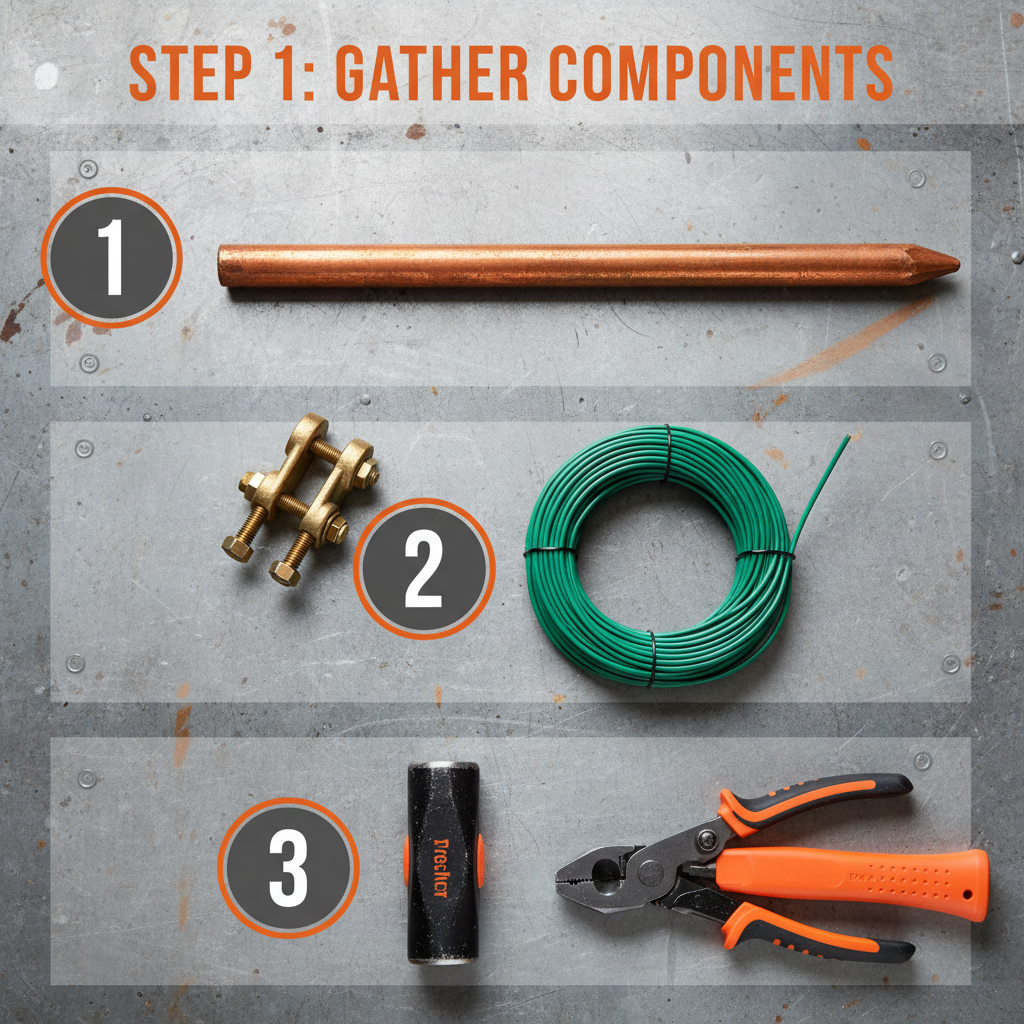
Why is Grounding a Hot Tub Important?
Grounding your hot tub creates a low-resistance path for electrical current to flow safely back to the electrical panel in the event of a fault. Without proper grounding, stray voltage can energize the water, posing a significant shock hazard to anyone using the tub. Local electrical codes typically require hot tubs to be grounded, and adhering to these codes is essential for safety and legal compliance. A properly installed ground rod is the foundation of this safety system, offering a vital layer of protection.
Key Benefit: Protecting users from potentially life-threatening electrical shocks.
Types of Ground Rods for Hot Tubs
Several types of ground rods are suitable for hot tub grounding, each with its own advantages and disadvantages. The most common materials are copper, copper-clad steel, and galvanized steel. Copper rods offer the best conductivity but are also the most expensive. Copper-clad steel rods provide a good balance of conductivity and cost-effectiveness, consisting of a steel core coated with copper. Galvanized steel rods are the most affordable but have lower conductivity and may corrode over time. The choice depends on your local soil conditions, budget, and local code requirements.
Ground Rod Material Comparison:
• Copper: Highest conductivity, most expensive.
• Copper-Clad Steel: Good conductivity, moderate cost.
• Galvanized Steel: Lowest conductivity, most affordable.
Ground Rod Dimensions and Installation Depth
The appropriate length and diameter of the ground rod depend on local soil resistivity. Generally, an 8-foot ground rod is recommended, but in areas with high soil resistivity (sandy or rocky soil), a longer rod or multiple rods may be necessary. Installation depth is also critical; the entire length of the rod should be buried, with only a few inches exposed for connection. Local electrical codes specify minimum depth requirements, so always consult your local authorities.
Selecting the Right Ground Rod: Key Considerations
When choosing a ground rod for hot tub applications, consider the following: soil type, local electrical codes, budget, and long-term durability. It’s crucial to purchase rods from a reputable supplier to ensure quality and compliance with industry standards. BiloPowTel offers a wide selection of high-quality ground rods suitable for various hot tub installations, backed by expert support and a commitment to safety.
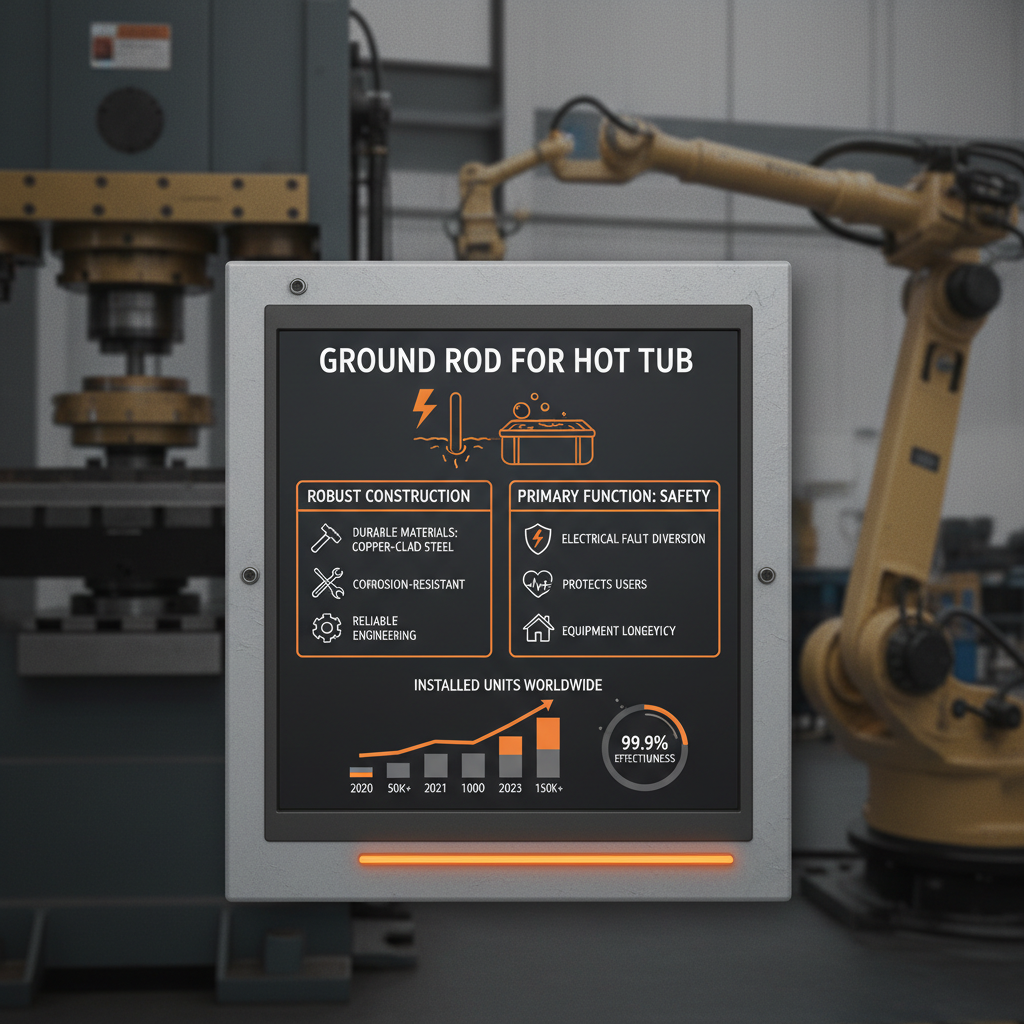
Ground Rod Installation Best Practices
Proper installation is just as important as selecting the right ground rod. Drive the rod vertically into the ground until only a few inches are exposed. Ensure a secure connection between the ground rod and the hot tub's bonding wire, using approved grounding connectors. It’s always best to have a qualified electrician perform the installation to guarantee compliance with local codes and safety standards. Regularly inspect the grounding system to ensure it remains effective.
Conclusion: Prioritize Safety with Proper Grounding
A properly installed ground rod for hot tub is a non-negotiable aspect of hot tub safety. By understanding the different types of rods, installation requirements, and best practices, you can ensure a safe and enjoyable hot tub experience. Don’t compromise on safety – invest in a quality ground rod and professional installation.
Frequently Asked Questions (FAQs)
What is the best material for a hot tub ground rod?
While galvanized steel is the most affordable, copper and copper-clad steel are generally preferred for hot tub grounding due to their superior conductivity and corrosion resistance. Copper offers the best performance but is more expensive. Copper-clad steel provides a good balance between cost and performance. Ultimately, the best material depends on your budget and local soil conditions. Always check local electrical codes for specific requirements. Choosing a quality ground rod is crucial for ensuring safety.
How far away from the hot tub should the ground rod be installed?
The general recommendation is to install the ground rod within 5 feet of the hot tub's electrical equipment. This minimizes the length of the bonding wire and reduces the potential for voltage drop. However, always consult local electrical codes, as they may have specific requirements regarding the placement of ground rods. The goal is to provide the shortest and most direct path to ground in the event of a fault.
Can I use multiple ground rods?
Yes, in some cases, using multiple ground rods is recommended or even required, especially in areas with high soil resistivity. If multiple rods are used, they should be spaced at least the length of the rod itself and connected together with a grounding conductor. Consult with a qualified electrician to determine if multiple ground rods are necessary for your specific installation and to ensure proper interconnection. BiloPowTel can provide expert guidance on these considerations.
Latest news
Precision Lifting and Pulling with the Lever Block 0.5 Ton Guide
NewsApr.16,2026
Precision Engineering Guide for High Performance Jet Lever
NewsApr.16,2026
Ultimate Guide to Choosing the Professional Industrial hoist lever
NewsApr.16,2026
Industrial Hoist Lever Chain Guide for Heavy Lifting and Rigging
NewsApr.16,2026
Industrial Lever Hoist Guide for Efficient Lifting and Pulling
NewsApr.16,2026
Ultimate Guide to Hand Ratchet Lift for Heavy Industrial Lifting
NewsApr.16,2026
- CONTACT
- ADDRESS: 188, Fengshou Road, Shijiazhuang. China
- EMAlL: info@bilopowtel.com
- PHONE: 0086-311-88862036
- WHATSAPP: 0086-152-26563165


