



Mar . 21, 2026 01:45 Back to list
Comprehensive Guide to Installing a Ground Rod for a Home Electrical Safety
Installing a Ground Rod for a Home: A Comprehensive Guide
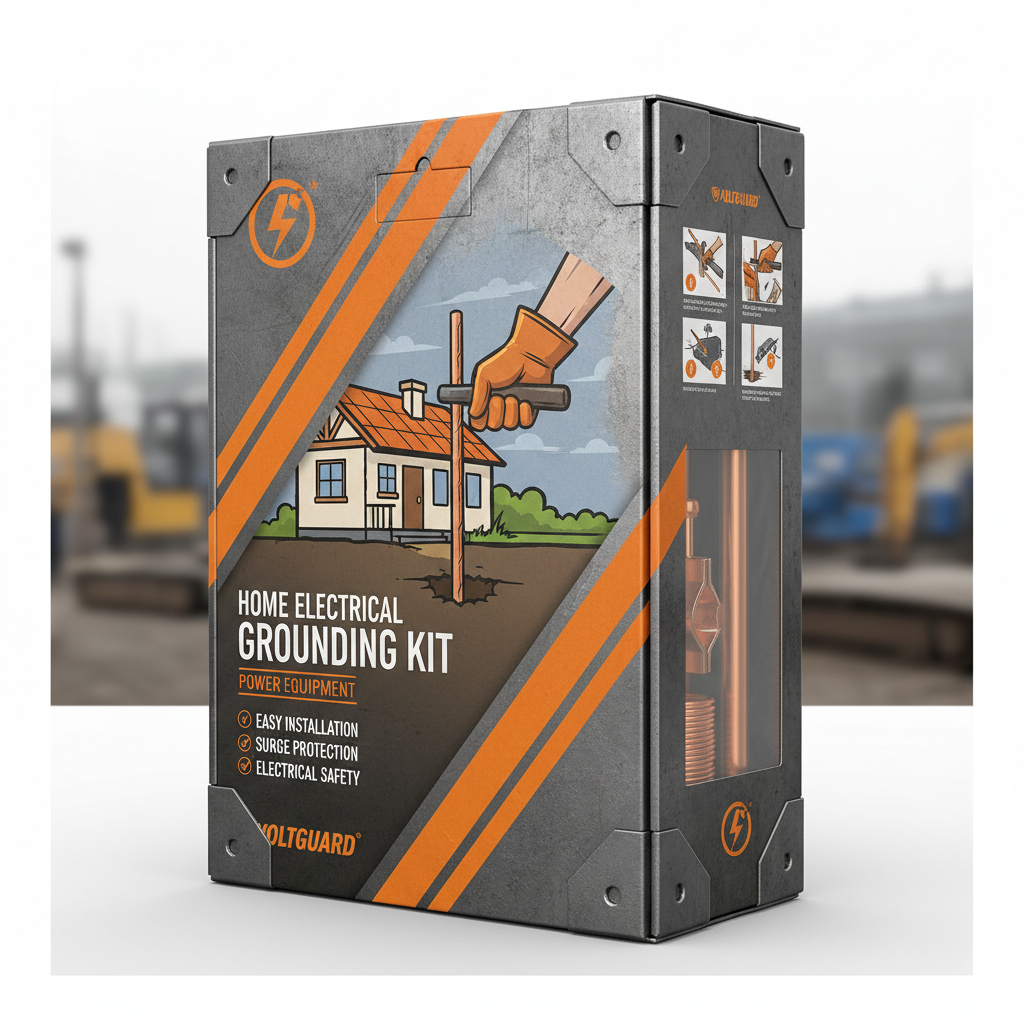
Ensuring your home's electrical system is safely grounded is crucial for protecting your family and property. Grounding helps to divert excess electricity safely into the earth, preventing shocks, fires, and damage to appliances. This guide provides a comprehensive overview of installing a ground rod for a home, covering everything from choosing the right materials to the proper installation techniques. A correctly installed grounding system is a vital component of a safe electrical infrastructure.
Why is Grounding Your Home Important?
A properly grounded electrical system is your first line of defense against electrical hazards. During a fault, such as a short circuit, the grounding system provides a low-resistance path for the electricity to flow back to the source, tripping the circuit breaker or fuse and cutting off the power. Without a grounding system, the electricity could flow through unintended paths, like your plumbing or even a person, causing serious injury or death. Moreover, grounding helps protect sensitive electronic equipment from surges and spikes, extending their lifespan and preventing data loss. The importance of grounding cannot be overstated – it’s a critical safety feature for any home.
Key Benefits: Protects against electrical shock, prevents fires, safeguards appliances, and protects sensitive electronics.
Choosing the Right Ground Rod and Materials
Selecting the appropriate materials is essential for a successful and long-lasting grounding system. The most common type of ground rod is made of copper-clad steel, which offers a good balance of conductivity and durability. The length and diameter of the ground rod will depend on the soil conditions and local electrical codes. Generally, an 8-foot ground rod is recommended, but in areas with rocky or sandy soil, a longer rod may be necessary. You’ll also need a grounding conductor (typically a heavy-gauge copper wire), grounding clamps to connect the conductor to the rod and the electrical panel, and potentially ground rods connectors. Bilo Powtel offers a range of high-quality grounding solutions designed for optimal performance and safety.
Essential Materials:
• Copper-clad steel ground rod
• Grounding conductor (copper wire)
• Grounding clamps
• Ground rod driver
Installing a Ground Rod for a Home: Step-by-Step
The installation process is straightforward but requires careful attention to detail. First, locate a suitable area for the ground rod, away from underground utilities like gas lines and water pipes. Use a ground rod driver to hammer the rod into the earth until only a few inches are exposed. Next, connect the grounding conductor to the ground rod using a grounding clamp. Run the grounding conductor to your electrical panel and connect it to the grounding bus bar, also using a grounding clamp. Ensure all connections are tight and secure. It's crucial to follow local electrical codes and regulations throughout the installation process. For your safety, it’s recommended to hire a qualified electrician for this task.
Grounding Methods: A Comparison
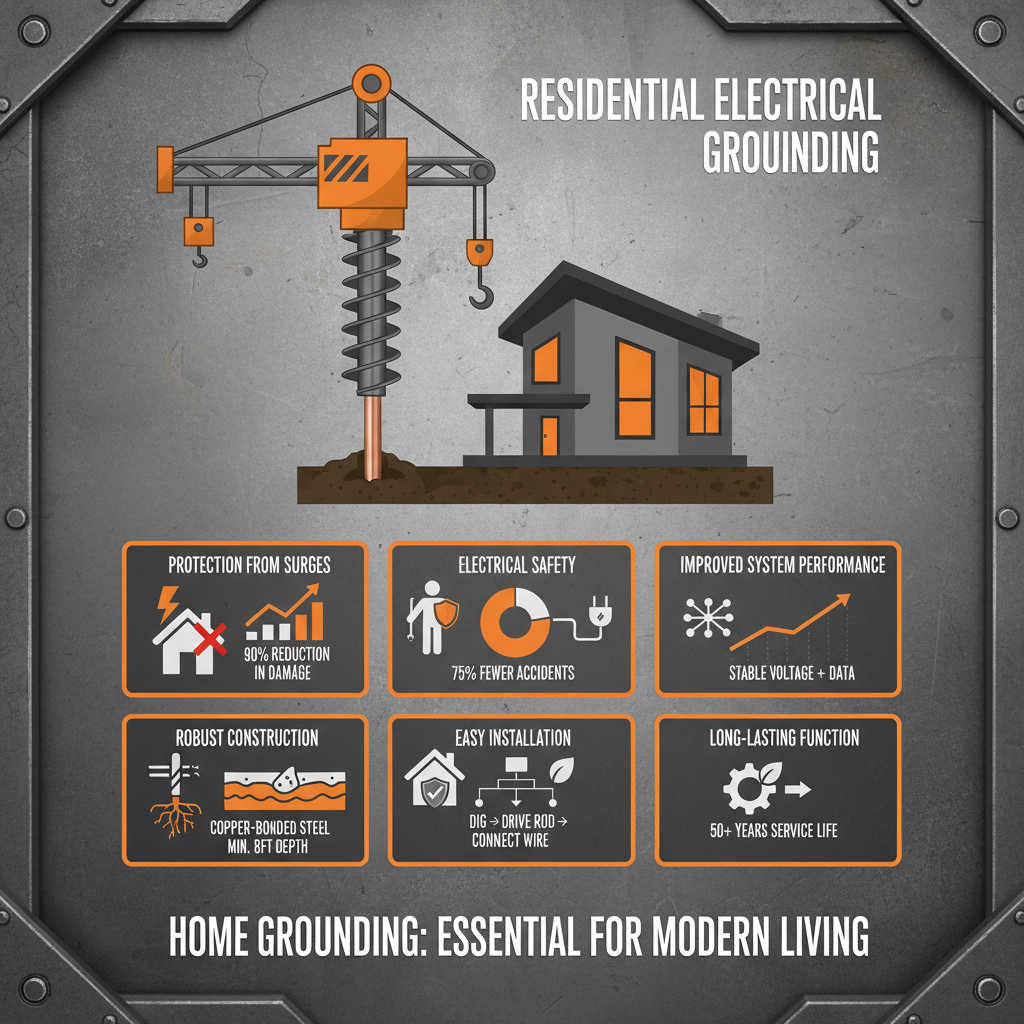
While ground rods are a common grounding method, other options exist, such as grounding to a metal water pipe (if permitted by local codes) or using a ground ring. Each method has its pros and cons. Ground rods are generally the most reliable and independent option, particularly in areas with poor soil conductivity. Grounding to a water pipe can be effective but depends on the pipe's integrity and continuous connection to the earth. Understanding the different methods allows you to choose the best solution for your specific needs.
Ground Rod Installation and Local Electrical Codes
Local electrical codes dictate the specific requirements for grounding systems, including the size and type of ground rod, the depth of installation, and the acceptable grounding methods. It's essential to consult your local building department or a qualified electrician to ensure your installation complies with all applicable regulations. Failing to meet these requirements could result in safety hazards and potential fines. Bilo Powtel provides resources and guidance to help you navigate these regulations.
Conclusion: Prioritizing Safety with Proper Grounding
Installing a ground rod for your home is a critical step in ensuring electrical safety. By following the guidelines outlined in this article and adhering to local electrical codes, you can protect your family, your property, and your peace of mind. Don’t compromise on safety – invest in a reliable grounding system today.
Frequently Asked Questions (FAQs)
How deep should a ground rod be installed?
Typically, a ground rod should be driven at least 8 feet into the earth. However, local electrical codes may have specific requirements, and the depth may need to be increased in areas with rocky or sandy soil. The goal is to reach moist soil that provides a good electrical connection. It is important to note that in areas prone to freezing, the rod should be installed below the frost line to prevent it from being pushed out of the ground during freeze-thaw cycles. Consulting with a qualified electrician is recommended to determine the optimal depth for your location.
Can I use a copper pipe instead of a ground rod?
While a copper water pipe was sometimes used for grounding in the past, this practice is now generally discouraged and may be prohibited by local electrical codes. The reason is that plastic pipes are increasingly replacing metal pipes in plumbing systems, creating a break in the grounding path. Even with metal pipes, the continuity of the connection can be unreliable due to corrosion or joints. A dedicated ground rod provides a more consistent and reliable grounding solution.
How do I know if my grounding system is working properly?
You can test your grounding system using a ground resistance tester, also known as a clamp meter. This device measures the resistance between the ground rod and the grounding bus bar in your electrical panel. A low resistance reading (typically less than 5 ohms) indicates a good grounding connection. It’s best to have a qualified electrician perform this test to ensure accurate results and identify any potential issues. Regular inspections of the grounding connections are also recommended.
Is it necessary to use a ground rod connector?
Yes, using a ground rod connector is essential for a reliable and long-lasting grounding system. The connector creates a secure and corrosion-resistant connection between the grounding conductor and the ground rod. Direct burial of the conductor can lead to corrosion and a weakened connection over time. A properly installed connector ensures a consistent electrical path and minimizes the risk of grounding failures. Bilo Powtel offers a variety of high-quality ground rod connectors designed for optimal performance.
Latest news
Precision Lifting and Pulling with the Lever Block 0.5 Ton Guide
NewsApr.16,2026
Precision Engineering Guide for High Performance Jet Lever
NewsApr.16,2026
Ultimate Guide to Choosing the Professional Industrial hoist lever
NewsApr.16,2026
Industrial Hoist Lever Chain Guide for Heavy Lifting and Rigging
NewsApr.16,2026
Industrial Lever Hoist Guide for Efficient Lifting and Pulling
NewsApr.16,2026
Ultimate Guide to Hand Ratchet Lift for Heavy Industrial Lifting
NewsApr.16,2026
- CONTACT
- ADDRESS: 188, Fengshou Road, Shijiazhuang. China
- EMAlL: info@bilopowtel.com
- PHONE: 0086-311-88862036
- WHATSAPP: 0086-152-26563165


