



Mar . 21, 2026 01:45 Back to list
Comprehensive Guide to House Earthing Rods for Electrical Safety
Understanding House Earthing Rods: A Comprehensive Guide
A reliable earthing system is crucial for electrical safety in any property. At the heart of this system often lies the house earthing rod, a vital component in diverting fault currents to the earth, protecting people and appliances. This article provides a detailed overview of house earthing rods, covering their function, types, installation, maintenance, and key considerations when choosing the right one for your needs. We'll also explore how Bilopowtel’s high-quality earthing rods contribute to a safer electrical environment. Ensuring proper earthing is not just about compliance; it’s about safeguarding lives and property.
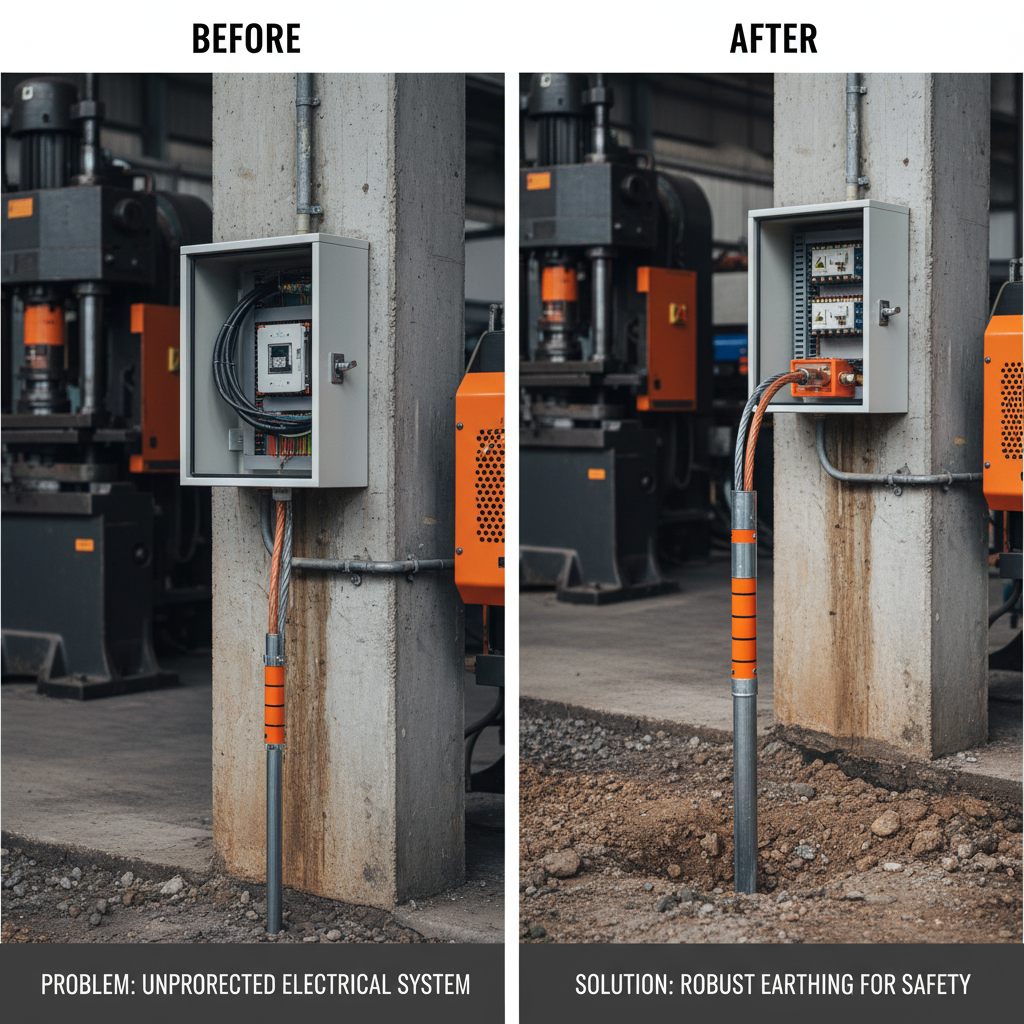
What is a House Earthing Rod and Why is it Important?
A house earthing rod (also known as a ground rod) is a conductive rod, typically made of copper or galvanized steel, driven into the earth to provide a low-resistance path for electrical fault currents. In the event of a fault – such as a live wire touching a metal appliance casing – the earthing rod provides a pathway for the current to flow safely to the ground, triggering the circuit breaker or fuse to trip, and cutting off the power. This prevents electric shock and minimizes the risk of fire. Without a properly installed and functioning earthing rod, your electrical system is vulnerable, and you are at risk. Regular inspection and maintenance of your earthing rod are vital for continued safety. Bilopowtel understands the importance of this, offering durable and reliable earthing solutions.
Key Benefits of a Properly Installed Earthing Rod:
- Protection against electric shock
- Prevention of electrical fires
- Safe operation of electrical appliances
- Compliance with electrical safety regulations
Types of House Earthing Rods
House earthing rods come in several types, each with its own advantages and disadvantages. The most common include:
- Copper Earthing Rods: Known for their excellent conductivity and corrosion resistance. They are generally more expensive than galvanized steel rods.
- Galvanized Steel Earthing Rods: A more affordable option, offering good conductivity and reasonable corrosion resistance.
- Stainless Steel Earthing Rods: Provide superior corrosion resistance, making them ideal for aggressive soil conditions. They are typically the most expensive option.
- Concrete-Encased Earthing Rods: These offer excellent stability and are suitable for areas with rocky soil.
The choice of rod material depends on your budget, soil conditions, and local regulations. Bilopowtel offers a comprehensive range of earthing rods to suit various needs and environments.
Earthing Rod Comparison
Proper Installation of a House Earthing Rod
Correct installation is paramount for the effective functioning of a house earthing rod. Here are key steps:
- Location: Choose a location close to the electrical panel, in moist soil, and away from underground utilities.
- Depth: Drive the rod at least 8 feet (2.4 meters) into the ground.
- Connection: Securely connect the earthing conductor (wire) to the rod using a clamp.
- Soil Enhancement: If the soil is dry or rocky, consider adding soil enhancement compounds to improve conductivity.
- Testing: Always test the earth resistance after installation to ensure it meets safety standards.
Due to the intricacies of electrical work, it's highly recommended to hire a qualified electrician for earthing rod installation. Improper installation can compromise safety and lead to potential hazards.
Maintenance and Testing of Earthing Rods
Earthing rods require periodic maintenance to ensure continued effectiveness. This includes:
- Visual Inspection: Regularly check for corrosion or damage to the rod and connections.
- Earth Resistance Testing: Conduct earth resistance tests annually or as recommended by local regulations.
- Soil Moisture Monitoring: Ensure the soil around the rod remains adequately moist, especially during dry seasons.
If any issues are detected, such as high earth resistance or corrosion, the rod should be repaired or replaced immediately. Bilopowtel provides testing services and a range of replacement earthing rods for your peace of mind.
Conclusion: Prioritizing Safety with Reliable Earthing
Investing in a high-quality house earthing rod and ensuring its proper installation and maintenance is a crucial step in protecting your home and family. Bilopowtel is dedicated to providing reliable earthing solutions and expert advice to help you create a safe electrical environment. Don’t compromise on safety – choose a trusted partner like Bilopowtel.
Frequently Asked Questions (FAQs)
What is the recommended depth for a house earthing rod?
The generally recommended depth for a house earthing rod is at least 8 feet (2.4 meters). This ensures that the rod reaches moist soil, providing a consistent and low-resistance connection to the earth. In areas with exceptionally dry or rocky soil, a deeper installation or the use of soil enhancement compounds may be necessary. Local electrical codes may also specify minimum depth requirements, so it’s essential to comply with these regulations. A qualified electrician will assess your soil conditions and ensure the rod is installed at the appropriate depth.
How often should I test my earthing rod?
It’s recommended to test your earthing rod at least once a year. Earth resistance can change over time due to factors such as soil conditions, corrosion, and loose connections. Regular testing helps identify any potential problems and ensure that the earthing system is functioning effectively. Professional electricians use specialized equipment to accurately measure earth resistance and provide a detailed report. Bilopowtel offers earthing rod testing services to ensure your system is safe and compliant.
Can I install an earthing rod myself?
While it is possible to install an earthing rod yourself, it’s strongly recommended to hire a qualified electrician. Electrical work can be dangerous, and improper installation can create a significant safety hazard. An electrician has the necessary knowledge, skills, and tools to ensure the rod is installed correctly and complies with all relevant electrical codes. They will also perform testing to verify the system's effectiveness. Prioritizing safety is crucial, and professional installation offers peace of mind.
Latest news
Precision Lifting and Pulling with the Lever Block 0.5 Ton Guide
NewsApr.16,2026
Precision Engineering Guide for High Performance Jet Lever
NewsApr.16,2026
Ultimate Guide to Choosing the Professional Industrial hoist lever
NewsApr.16,2026
Industrial Hoist Lever Chain Guide for Heavy Lifting and Rigging
NewsApr.16,2026
Industrial Lever Hoist Guide for Efficient Lifting and Pulling
NewsApr.16,2026
Ultimate Guide to Hand Ratchet Lift for Heavy Industrial Lifting
NewsApr.16,2026
- CONTACT
- ADDRESS: 188, Fengshou Road, Shijiazhuang. China
- EMAlL: info@bilopowtel.com
- PHONE: 0086-311-88862036
- WHATSAPP: 0086-152-26563165


